Best and worst bass fishing weather, ranked
If you only have time to read one section, read this one. Ranked from best to worst for a shallow, catchable bite:
- Falling pressure ahead of a front, clouds building, 10 mph wind — the most aggressive feeding window of the week. Moving baits, windward banks. Pre-storm tactics.
- Overcast and mild with light wind — the all-day moving-bait day. Overcast patterns.
- Stable, day 2–4 of the same pattern — repeatable and predictable. Stable weather positioning.
- Warm rain on falling pressure — very good, until runoff mud and cold water arrive. After heavy rain.
- Hot, calm, sunny summer day — early, late, deep, or shade. Sunny day positioning.
- First bluebird day behind a cold front — the toughest day on the calendar. Cold front lures.
Why weather matters more than anglers admit
Bass don't care about the air temperature. They care about what the air is doing to their environment — pressure, oxygen, light, current, and water temperature. Every weather variable on this page is a proxy for one of those underwater changes. Read weather this way and the forecast becomes a fishing plan. For the full framework, this pillar pairs tightly with the structure guide and the forage guide — those three together cover almost every situation you'll face on the water.
The pressure trend is everything
Forget the absolute barometric reading. What matters is the trend — is pressure rising, stable, or falling, and how fast? Bass detect pressure changes through their swim bladders and respond within hours. Three states define every fishing day:
- Falling pressure ahead of an approaching front. The most aggressive feeding window of the week. Bass push shallow, chase moving baits, and commit to reaction strikes. Full breakdown here, and pre-storm tactics here.
- Stable pressure in a multi-day weather window. Patterns repeat predictably day over day — same banks, same depths, same retrieves. Stable weather positioning goes deep.
- Rising pressure behind a passing front. The strike zone collapses, bass jam into cover, and you'll need slow finesse to dig them out. See high pressure bass fishing, post cold-front lure selection, and cold front lure logic.
Pressure-trend decision table
Use this as the first read of any fishing day. Pair it with the wind and cloud reads below for the full picture.
- Falling fast, sky building → reaction baits, windward banks, biggest profiles you fish with confidence.
- Falling slow, partly cloudy → moving baits early; transition to soft plastics on cover by mid-day.
- Stable, day 2–4 of a pattern → repeat yesterday's pattern at yesterday's times — these are confidence days.
- Stable, day 5+ of a pattern → fish get conditioned. Downsize colors and change cadence even though conditions look identical.
- Rising fast, bluebird sky → finesse, vertical, in the cover. See bluebird sky bass fishing.
Wind: the most underrated variable
Wind does three things for bass fishing and only one of them is obvious. The obvious effect — making casting harder — is the least important. What actually matters:
- Wind oxygenates water by mixing the surface layer. In summer this can be the difference between a dead bank and a stacked bank.
- Wind pushes plankton, which pulls baitfish, which pulls bass. The bait migration always runs windward.
- Wind breaks the surface, giving bass overhead cover and the confidence to push shallower and strike farther.
The rule: fish the windward bank in summer, even when it's the hardest bank to fish. How wind affects bass positioning and wind, shad, and ambush zones are the deep dives. Lure-wise, see best baits for windy conditions.
Why bass face into the wind-driven current
A sustained wind creates a measurable surface current of 0.1–0.5 mph along the windward shore. That trickle is plenty to push plankton into ambush points — and bass orient nose-into the flow so they can pick off anything that tumbles past. This is identical to how stream bass behave behind boulders, just at a scale most reservoir anglers never connect. Present your bait with the wind so it moves the way real bait moves on that bank.
Cloud cover and light penetration
Cloud cover extends the feeding window on both ends of the day. Bass that would normally be locked in cover by 9 AM stay catchable until noon under heavy overcast. Two practical applications:
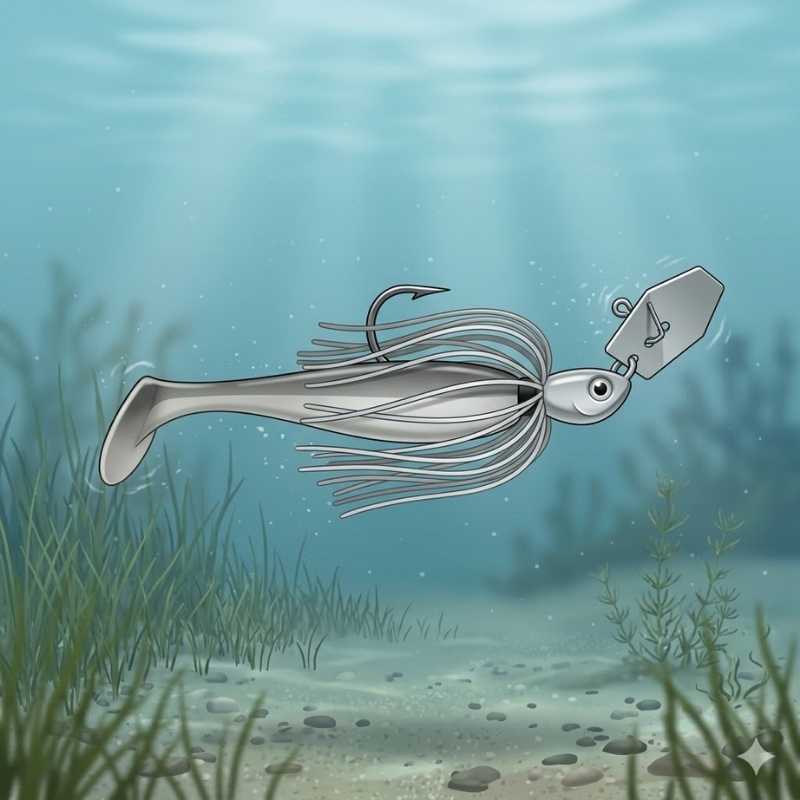
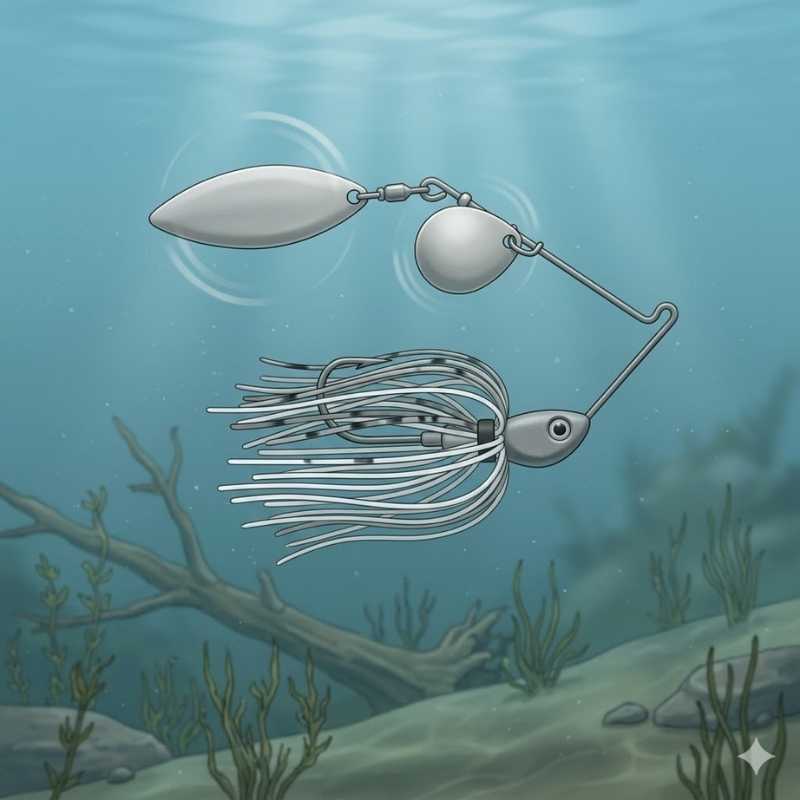
- Overcast days extend the moving-bait window. Spinnerbaits, chatterbaits, and swimbaits stay viable all day. See overcast day patterns.
- Bluebird days compress the window. The first 90 minutes and last 90 minutes are everything; mid-day requires flipping cover or fishing deep. Bluebird sky bass fishing covers the adjustments, and sunny day positioning covers shallow plays.
Cold fronts: the hardest weather to fish
A cold front does four things at once: pressure spikes, wind clocks around to the north or northwest, sky clears to bluebird, and air (then water) temperature drops several degrees. The combined effect is brutal — fish jam into the thickest cover, strike zones shrink to inches, and reaction baits stop working.
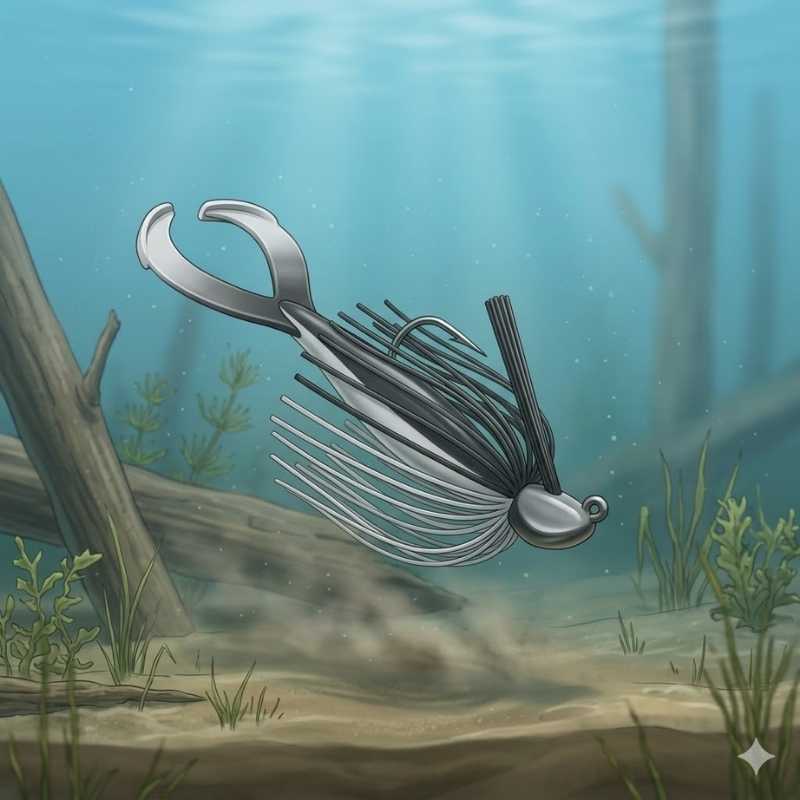
The post-front pattern requires accepting reality: slow down, downsize, and put the bait in the cover, not near it. A 3/8 oz jig with a craw trailer pitched into thick laydowns. A weightless senko skipped under a dock. A drop shot worked agonizingly slowly on a brushpile. See cold front lures for the full toolkit and bass fishing laydowns for the structure.
Why bass shut down — the biology
Rising pressure compresses a bass's swim bladder. The fish has to adjust gas levels and re-trim its buoyancy, which is metabolically expensive. While that happens, the fish doesn't want to move much, doesn't want to chase, and doesn't want to chew anything large. The shutdown isn't laziness; it's recovery. The bite reopens once the fish has re-trimmed and the pressure stabilizes — which is also why the second bluebird day after a front almost always fishes better than the first.
Rain, storms, and mud
Rain isn't one variable — it's three: the pressure change driving the rain, the muddying effect on water clarity, and the temperature change of the runoff. A warm summer rain on falling pressure is golden. A cold spring rain pumping muddy 50-degree runoff into a 60-degree pre-spawn cove can kill the bite for two days.
When rain stains the water you need to shift into muddy water lure selection — vibration over sight, dark silhouettes, slow retrieves. The water clarity lure guide covers the full spectrum, and the heavy rain runoff guide covers the post-storm pattern in depth.
Wind direction matters too
Old saying: wind from the east, fish bite least; wind from the west, fish bite best. There's a kernel of truth — east winds in most of North America accompany approaching high pressure (slowing the bite), while west winds often accompany falling pressure (firing the bite). But the local context matters more. What you're really reading is the front behind the wind. A south wind in summer warms shallow water and triggers feeding. A north wind in fall usually signals the next cold front 12–24 hours out.
Sun angle and seasonal light
The sun angle changes through the year and changes bass position with it. In June a noon sun pushes light 15+ feet down on a clear lake; in December the same noon sun only penetrates 6–8 feet. Winter sun warms shallow dark-bottom pockets where summer sun would push fish off them. Read the season into your light reading: bright on December clay bank = good; bright on July clear flat = empty water.
Storm timing within the day
A morning thunderstorm builds pressure overnight, dumps, and clears by noon — the bite can reopen aggressively by 1 PM. An afternoon storm catches you on the falling-pressure window all day; the entire day can be a feeding event up until the rain starts. Evening storms create the rare overnight reset where the next morning fishes either great (if mild) or dead (if cold front behind it). The pre-storm guide covers the falling-pressure side; pair it with the post-rain guide for the back end.
Building a weather game plan
Before the trip, check three things on your forecast: barometric trend over the next 24 hours, wind direction and speed, and cloud cover percentage. Then build the day:
- Falling pressure, building clouds, 10 mph wind: this is the dream. Burn moving baits on windward main-lake structure all day. Topwater is in play.
- Stable warm spell, light winds, partly cloudy: pick a confidence pattern and repeat it. Stable weather positioning is the playbook.
- Bluebird post-front, north wind, falling temps: slow finesse, flip cover, find the warmest stained pocket on the lake. Don't expect numbers.
- Hot stable summer, no wind: fish early and late shallow, mid-day fish deep on thermocline edges or shaded cover. Thermocline positioning.
- Sudden cold rain in pre-spawn: back off the spawning flats, fish the channel transitions where bass stage. Transition banks during seasonal change.
Weather × season interactions
A summer cold front and a winter cold front produce opposite responses. In July a cold front drops water from 88 to 82 and bass actually fire up briefly before locking down. In January the same front drops water from 48 to 44 and the bite essentially closes for a week. Always read weather through the seasonal lens — the same forecast can mean "go now" in one month and "stay home" in another.
The bigger picture
Weather doesn't operate in a vacuum. It interacts with season, forage state, and lake structure. A windy April day and a windy August day are completely different fisheries. Plug weather into the broader framework with the structure guide, the forage guide, and supporting articles on baitfish movement and water clarity. Weather becomes a tool instead of an obstacle.
Supporting Articles in This Pillar
Pressure and Frontal Patterns
Barometric pressure is the most reliable read on a fishing day. These articles cover every state of the pressure curve.
The pre-frontal feeding window, explained.
Post-front depth, cover, and lure adjustments for bluebird recovery days.
Pre-storm feeding windows and falling pressure tactics.
Multi-day predictability and repeating patterns.
Post-front lure adjustments and finesse plays.
Slow, downsized presentations for shrunken strike zones.
Wind, Sun, and Cloud Cover
Light and wind determine ambush distance and feeding-window length — read these together to translate the sky into a plan.
Oxygen, bait migration, and the windward bank.
Wind, plankton, shad, bass — the chain reaction.
Reaction baits that capitalize on wind-driven bait.
Why clouds extend the feeding window on both ends.
Shade lines, depth, and high-light positioning.
Working the toughest condition in bass fishing.
How wind concentrates baitfish and bass on windward shorelines.
Rain, Heat, and Extreme Weather
Edge-case weather rewrites the rules. Cover these patterns for the days a generic forecast read isn't enough.
Runoff, current, and visibility shifts after major rain events.
How extreme heat reshapes oxygen, depth, and feeding windows for summer bass.
Runoff, current, debris, and clarity gradients after a major tropical system.
Flood playbook: flooded-cover decisions, mud lines, and seasonal differences when the lake comes up.
Where bass move and what to throw when dissolved oxygen drops.
Match seasonal bass behavior and lure choices to changing water temperatures.
How This Topic Connects To Other Bass Fishing Factors
No single factor explains bass behavior on its own. Each pillar below covers one of the variables that interacts with this one — read them together for the full picture.
The master framework — forage, temperature, oxygen, light, pressure.
Shad, bluegill, crawfish — what bass eat and when.
Month-by-month bass behavior and lure logic.
Points, channels, grass, wood, docks — where bass live.
Year-round Catawba-chain patterns and herring-driven bass.
Pick the right lure for temperature, clarity, and conditions.