What falling pressure does to bass biology
Bass regulate buoyancy with a gas-filled swim bladder. As atmospheric pressure drops, that bladder expands slightly. Fish become more buoyant, more comfortable suspending higher in the water column, and more willing to chase a bait moving above their head. Bait responds the same way — shad and bluegill rise off the bottom, schools loosen, and the lake's forage base becomes easier to attack. The combination produces aggression.
This isn't a theory borrowed from saltwater fishing. It plays out on small bass lakes every spring and fall and has been documented by tournament anglers for decades. When the barometer falls hard, the food chain gets reorganized — and bass are usually the first species to capitalize.
The pre-frontal feeding window
Most fronts give 12 to 36 hours of warning in the form of falling pressure. The first half of that window often produces a slow bait pickup — fish are repositioning more than feeding. The second half, especially the last 2 to 4 hours before rain hits, is the bite. Watch for a darkening band of cloud cover on the leading edge of the system. That cloud bank pulling overhead is usually the trigger.
- Day before the front — fish move from main-lake structure toward secondary points and creek mouths.
- Morning of the front — bass slide shallower, often to depths they haven't used in weeks.
- Final hours — committed reaction strikes on moving baits, often in unlikely water.
- Storm arrival — the bite collapses fast once lightning starts and wind direction flips.
Where bass reposition
Bass don't just feed more during falling pressure — they move. Schools that have been holding 18 feet on offshore brush will pull up to the top of the structure or shift to the nearest secondary point. Shallow fish push tighter to ambush cover. The pattern is consistent: fish travel toward the bait, not away from it, and bait is usually getting pushed shallow by wind that arrives with the front.
Windblown banks and points become high-percentage water during this window. So do the first dock or laydown inside a creek mouth — anything that intercepts moving bait. If you've been catching fish offshore all week, check the bank that morning. They'll often be there.
Reaction baits for falling pressure
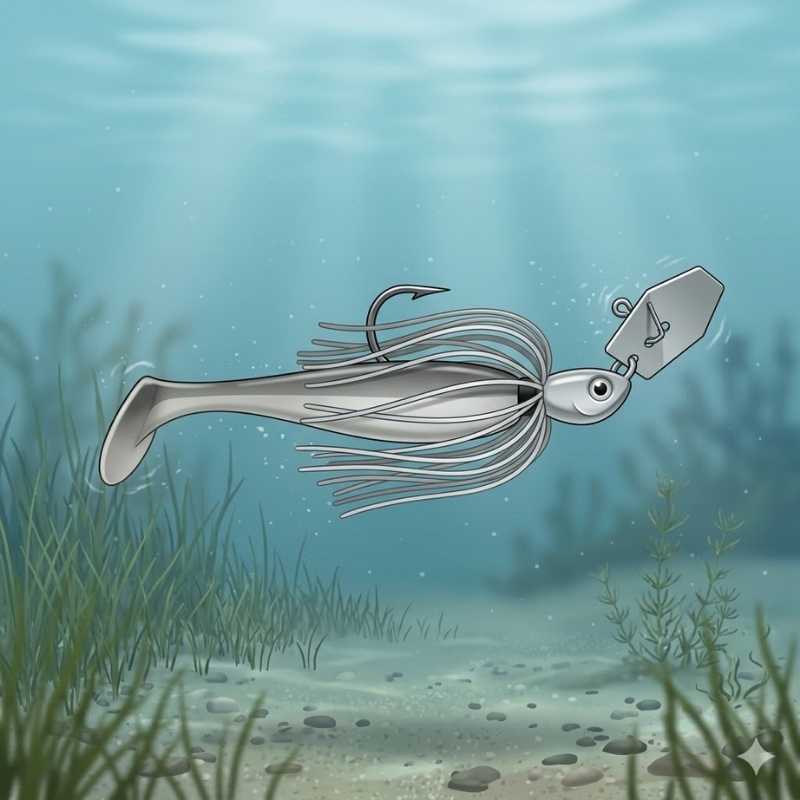
Z-Man JackHammer ChatterBait
The benchmark bladed jig — premium hardware and perfect vibration.
Stained water, wind, scattered grass — moderate-paced reaction bait.
As an Amazon Associate I earn from qualifying purchases.
Alternative Options
- Strike King Thunder Cricket →Alternative
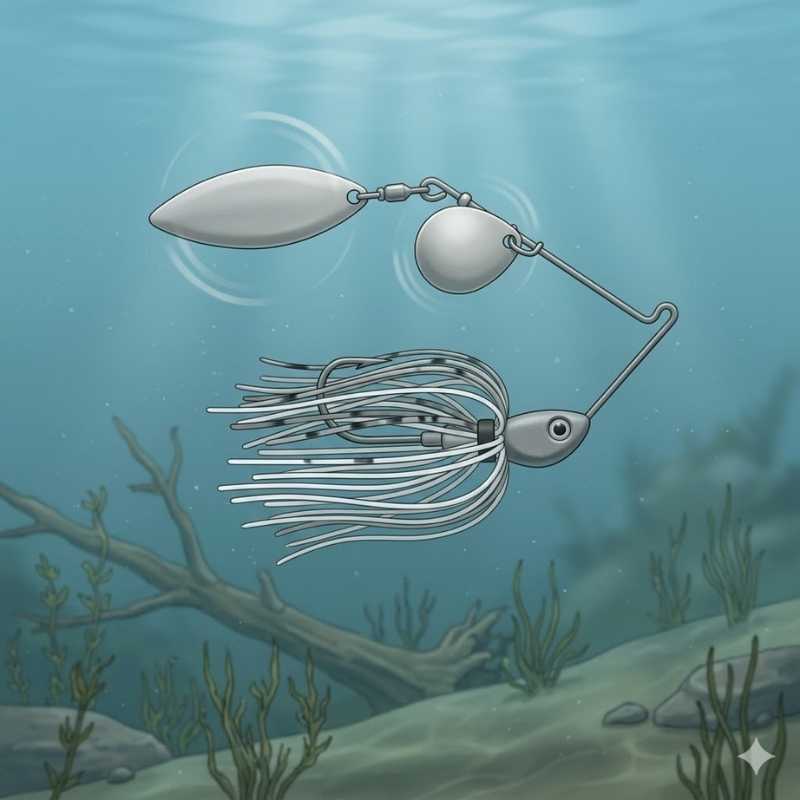
War Eagle Spinnerbait
Classic Colorado/willow combo for windy banks and stained water.
Windy banks and stained water — burn it parallel to cover.
As an Amazon Associate I earn from qualifying purchases.
Alternative Options
- Luck E Strike Legends Spinner Bait →Alternative
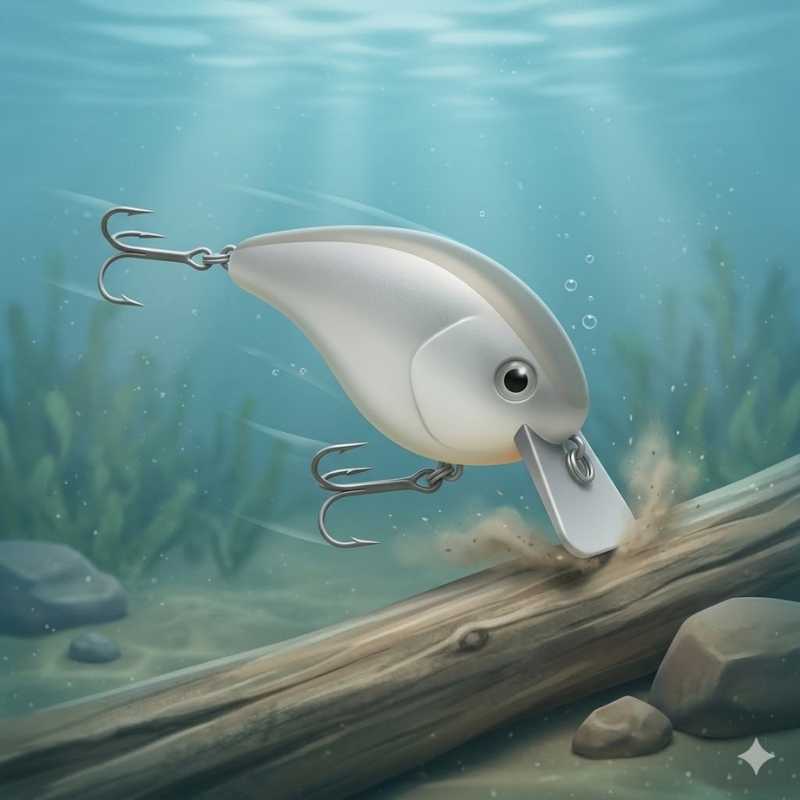
Strike King Red Eye Shad
Excellent flutter on the fall over grass and flats.
Grass flats and creek arms — yo-yo it through the tops.
As an Amazon Associate I earn from qualifying purchases.
Alternative Options
- Bill Lewis Rat-L-Trap →Alternative
Add a walking topwater for the final hour and a squarebill for any wood you encounter. The common thread is speed and flash — bait fleeing pressure looks erratic, and bass commit to baits that mimic that panic. Slow finesse presentations underperform during this window because you're working against the fish's elevated metabolism.
Retrieve and cadence adjustments
- Burn the chatterbait with occasional rip-and-deflect contacts off cover.
- Speed up the spinnerbait, especially with a willow-blade in stained water and a Colorado in muddy water.
- Rip the lipless through grass edges — the kill on the rip is when most strikes happen.
- Walk the topwater faster than you normally would; cadence matters less than commitment.
- Skip the deadstick. Falling pressure rewards motion.
What kills the bite
Pressure isn't the only variable, and assuming a falling barometer guarantees a bite gets a lot of anglers fishless. A few things shut it down even with a textbook pressure drop:
- Cold rain on the leading edge — sudden water-temperature drop overrides the pressure bite.
- Wind direction flip — when the wind clocks behind the front, fish shut off within minutes.
- Tournament pressure — heavily fished water sometimes responds to falling pressure with finesse instead of reaction.
- Mid-summer heat — if surface temps are already past 86°F, falling pressure helps less than it does in spring or fall.
After the front passes
Once the system clears and pressure starts climbing, everything reverses. Bass push tight to cover, suspend deeper, and refuse moving baits for one to three days. That post-frontal lockdown is covered in cold-front bass fishing lures and best bass lures after a cold front. The lesson is to fish hard before the storm, not chase the bite after.
Mistakes anglers make on falling-pressure days
- Sleeping in. The window is short — being on the water at first light is the difference.
- Fishing too slow out of habit. Reaction baits sort fish faster than worms during this window.
- Ignoring wind direction. Pre-frontal wind tells you exactly where bait is being pushed.
- Staying on offshore structure when fish have already moved shallow.
- Quitting when the first raindrops hit. The 15 minutes before serious rain is often the peak.
For the windy half of the equation, see how wind affects bass positioning. For the muddied water that often follows the storm, see bass fishing muddy-water lures.