What Rain Changes Underwater
A heavy rain triggers several simultaneous shifts that all affect bass behavior. First, runoff carries terrestrial food — earthworms, insects, small frogs, even small mammals — into the water along banks where storm drains, ditches, and creek beds enter the lake. Second, the influx creates current where the lake was previously static, which positions bass on current seams the way river fish position year-round (see our how bass use current seams guide for the structural framework). Third, surface and shallow water suddenly stains heavily, while deeper water and main-lake areas stay relatively clean — creating sharp clarity transition lines. Fourth, water levels rise, often pushing bass shallow into newly flooded cover that wasn't fishable a day earlier.
Underneath all of that is the pressure pattern of the front itself, which we cover in detail in bass fishing before storms. The post-frontal pressure rise typically slows the bite eventually — but the immediate post-rain window before pressure climbs is one of the most consistent feeding events of the year.
Dirty Water vs Fresh Runoff
Not all stained water is the same. There's a critical difference between fresh runoff entering the lake and uniformly muddy water that's been sitting for days. Fresh runoff carries dissolved oxygen, suspended food, and warmth (or cool) that creates a thermal seam. Bass position aggressively on the edge of fresh runoff because it's the cafeteria entrance. Old, settled mud is just low-visibility water — the bass are in it but not feeding hard.
Look for the visible color line where stained water meets cleaner water — that's where to fish. The dirtiest spots aren't the most productive; the seams are. For full water-clarity lure logic, see our water clarity and lure selection guide and the bass fishing muddy water lures article.
Current Seams and Feeding Lanes
Rain creates current in places that don't normally have any: feeder creek mouths, ditch outlets, culverts under roads, the shallow channels coming out of pockets. Bass set up on the downstream side of any current break — laydowns, rocks, dock posts, point tips — and ambush food coming downstream. This is the same biology as moving-water fishing, just temporary. Cover those seams with a moving bait and you'll catch the most active fish in the system. The full deeper-water version of this pattern is in reservoir current bass feeding.
Creek Arms That Reload Fastest
Not every creek arm fires equally after a rain. The ones that reload fast share a few features: a sizeable drainage above the lake that funnels runoff into a single mouth, a defined channel that maintains current well into the creek, and stained-but-not-chocolate water clarity within 24 hours of the rain. Stay out of dead-end pockets that fill with chocolate milk and don't move. Focus on the upper third to upper half of productive creek arms where the current is still pushing in. For the broader structural framework, see creek channel bass positioning.
Best Lures After Heavy Rain
The water is stained, current is moving, and bass are hunting by vibration and silhouette. That narrows the lure choices to a short list of high-displacement reaction baits in dark or high-contrast colors. Pair these with the wind patterns covered in how wind affects bass positioning for stacked feeding triggers.
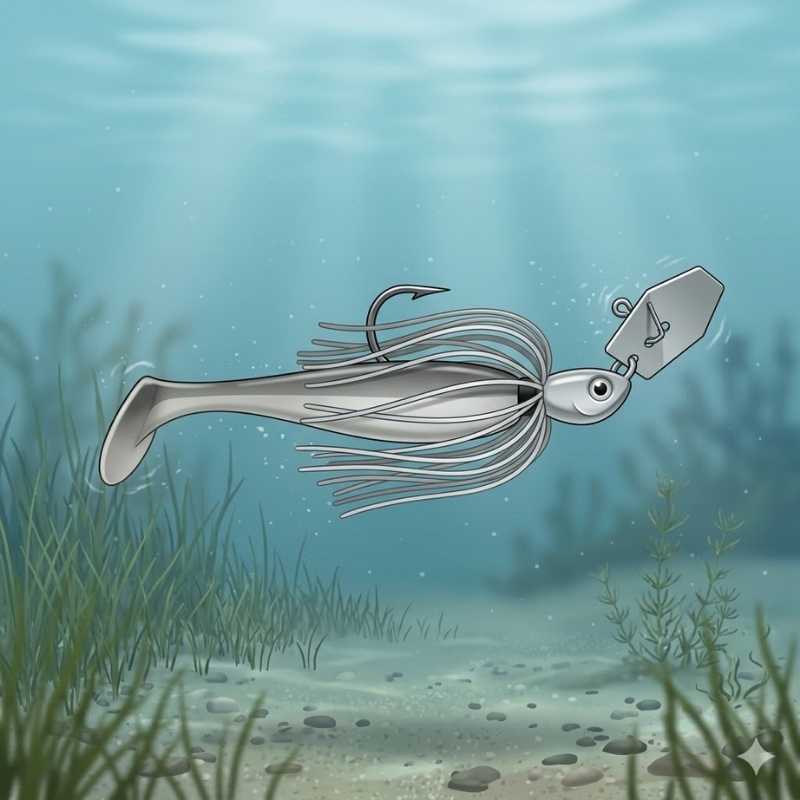
Z-Man JackHammer ChatterBait
The benchmark bladed jig — premium hardware and perfect vibration.
Stained water, wind, scattered grass — moderate-paced reaction bait.
As an Amazon Associate I earn from qualifying purchases.
Alternative Options
- Strike King Thunder Cricket →Alternative
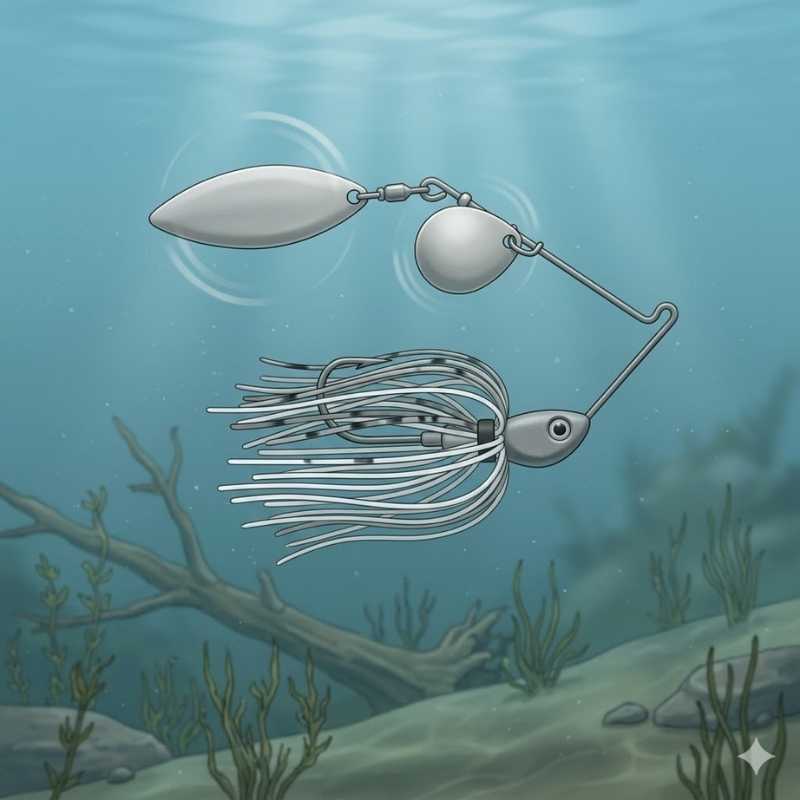
War Eagle Spinnerbait
Classic Colorado/willow combo for windy banks and stained water.
Windy banks and stained water — burn it parallel to cover.
As an Amazon Associate I earn from qualifying purchases.
Alternative Options
- Luck E Strike Legends Spinner Bait →Alternative
Strike King KVD 1.5
Deflects off cover like nothing else — the go-to shallow crank.
Shallow wood and rock — make it deflect off cover.
As an Amazon Associate I earn from qualifying purchases.
Alternative Options
- Lucky Craft LC 1.5 →Alternative
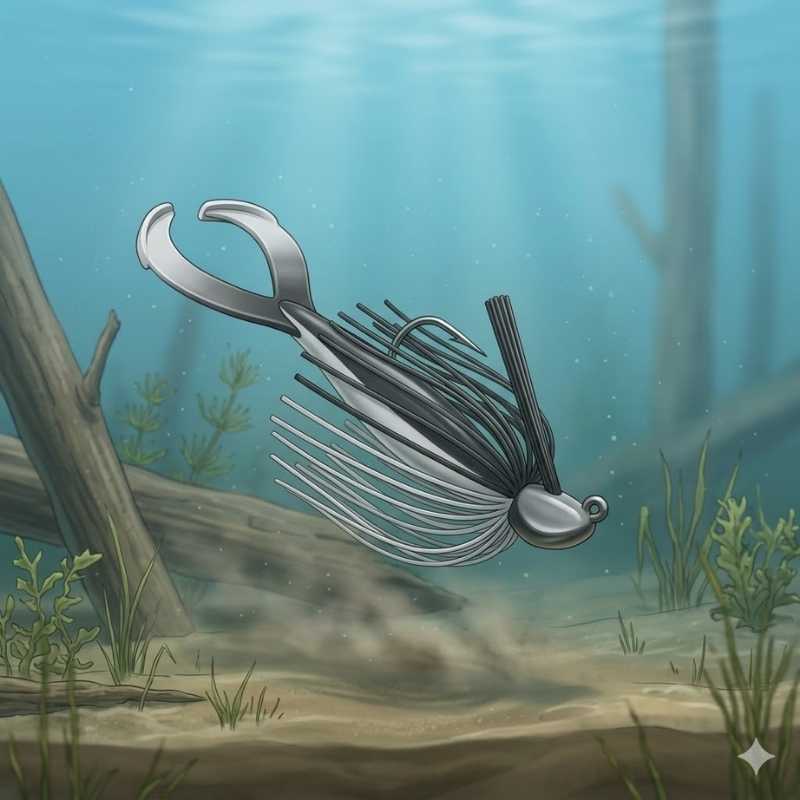
Dirty Jigs Compact Pitchin' Jig
Premium skirt and head shape for pitching tight cover.
Pitch to docks, laydowns, and isolated cover for big fish.
As an Amazon Associate I earn from qualifying purchases.
Alternative Options
- Strike King Structure Jig →Alternative
- Booyah Boo Jig →Budget
Color rule of thumb: black/blue, black/chartreuse, or solid dark colors with a small high-contrast accent. The bait needs to be visible at 6 to 12 inches in stained water, not realistic at 10 feet.
Shallow vs Deep Adjustments
The immediate post-rain bite is almost always shallow — bass push up into 1 to 5 feet of newly flooded cover, on the upstream side of current breaks, or in the first stained band along the bank. As the system stabilizes 48+ hours later, bass slide back to normal positions but feed at the clarity transition lines instead of inside the mud. If pressure has shoved up hard behind the front, bass may drop deeper into cover and slow down — see best bass lures after a cold front for the slowdown adjustment.
Mistakes Anglers Make
- Running straight to the muddiest visible bank. The mud isn't the answer. The seam between mud and clean is.
- Throwing finesse in stained water. A drop shot in 2-foot visibility is invisible. Use vibration.
- Ignoring shallow flooded cover. Bushes, grass, and laydowns that weren't fishable last week are loaded with bass and bugs after a rise.
- Not noting current direction. Cast upcurrent and let the bait swing past the cover, the way a river angler would.
- Quitting too early. The bite can be exceptional during and immediately after a rain. The worst window is the high-pressure bluebird day that follows two days later.
When Rain Improves Fishing
The best post-rain windows share these features: warm rain (not cold), gradual rather than catastrophic runoff, stable pressure trend afterward, and timing during a feeding season (spring or fall pre-spawn/feeding windows). Summer afternoon thunderstorms that drop an inch of warm rain on a stable system are gold — the bite often turns on within an hour of the first lightning. Cold spring rains that drop water temps 5+ degrees and shove pressure straight up usually shut things down. Read the system, not the calendar.