Best Overall / Editor's Pick97%
Megabass Vision 110
French Pearl
View Product →Discover the best jerkbaits for bass fishing, when to throw them, how to retrieve them, and which models excel in cold water, clear water, and tournament situations.
Affiliate Disclosure: As an Amazon Associate I earn from qualifying purchases. Recommendations reflect on-the-water testing and the LureLogic ranking engine — not paid placement.
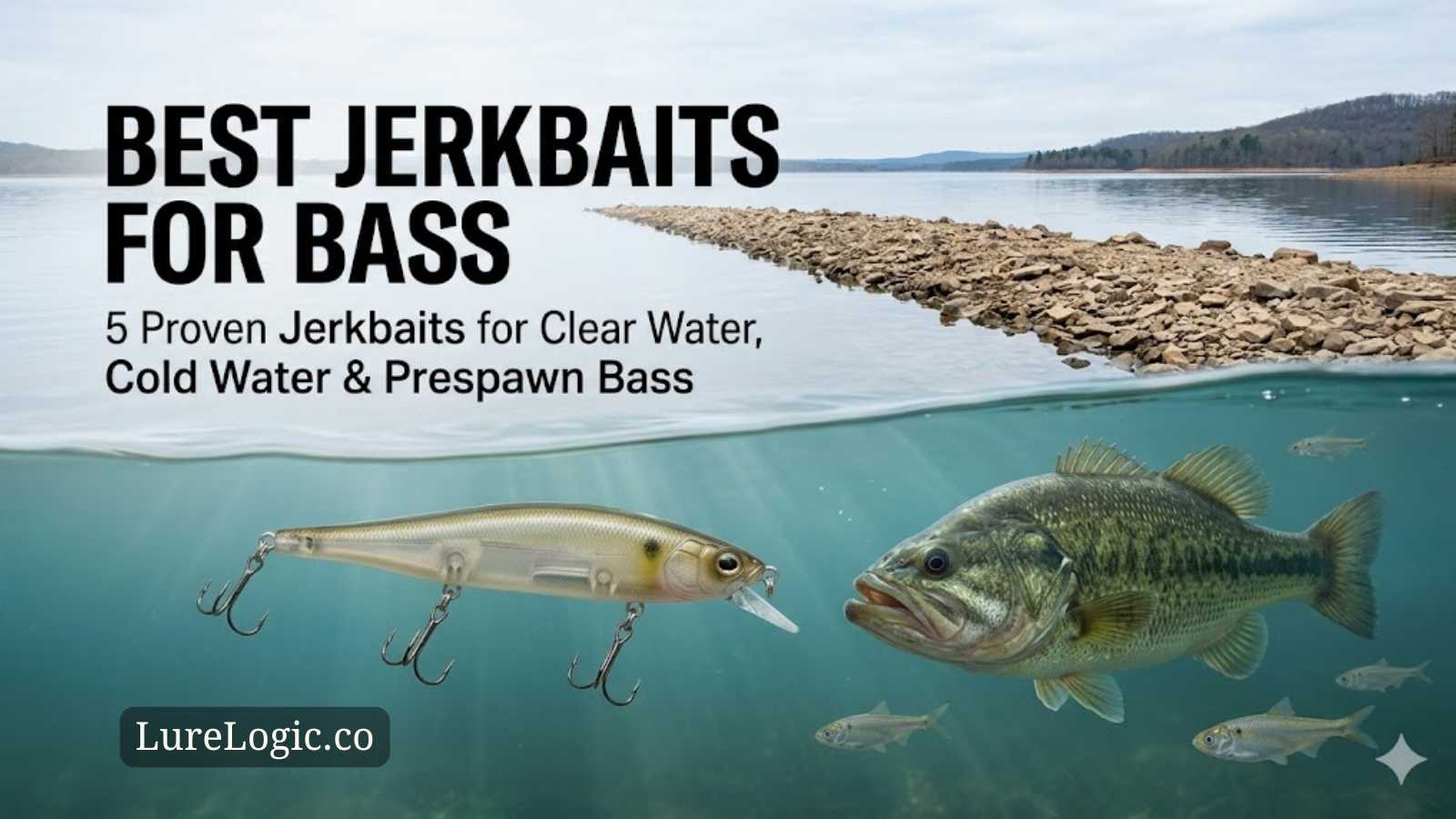
Few bass lures have undergone a bigger transformation over the last twenty years than the jerkbait. Once viewed primarily as a cold-water lure, today's suspending jerkbaits have become year-round fish catchers capable of producing tournament-winning limits from winter through late fall.
The reason jerkbaits remain so effective comes down to one simple principle: bass are conditioned to feed on struggling baitfish. A suspending jerkbait perfectly imitates a wounded shad, herring, smelt, or other forage species that has become separated from the school. Every twitch creates directional changes that resemble a baitfish losing control, while the pause allows the lure to hang motionless in the strike zone.
Many anglers associate jerkbaits exclusively with winter fishing. While they certainly shine during cold-water periods and are a staple for anglers studying patterns discussed in /winter-bass-fishing and /cold-water-bass-fishing, modern jerkbaits can trigger strikes whenever bass are actively targeting baitfish.
The biggest mistake anglers make is retrieving jerkbaits too quickly when water temperatures fall. As water cools into the range often discussed in /best-bass-lures-45-degree-water, bass metabolism slows significantly. Long pauses frequently outperform aggressive retrieves.
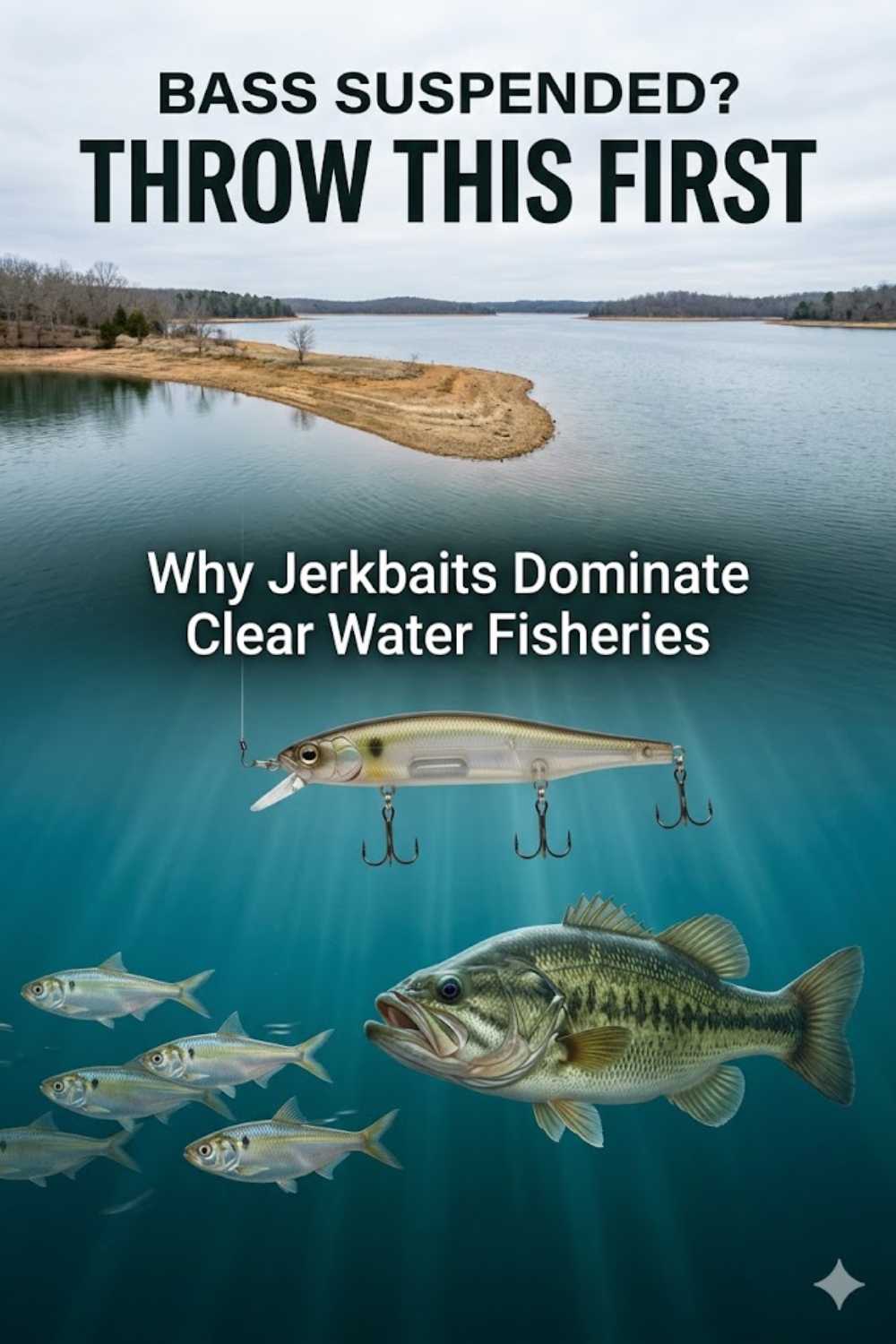
In clear-water fisheries, jerkbaits become even more powerful. Bass can track a suspending lure from considerable distances, making them one of the most efficient search tools covered in /bass-fishing-clear-water.
Understanding seasonal bass positioning is far more important than choosing between two premium jerkbait brands.
During winter, bass frequently suspend around bluff walls, channel swings, standing timber, and deep points. Traditional bottom-contact lures often move beneath these fish, but jerkbaits remain suspended in the same depth zone. This ability to stay directly in front of inactive bass explains why jerkbaits dominate many cold-water tournaments.
As winter transitions into prespawn, bass begin staging near spawning areas. Secondary points, channel intersections, and transition banks become high-percentage locations. Jerkbaits excel because they allow anglers to cover water efficiently while still presenting a relatively slow-moving target.
Postspawn periods often see bass recovering near spawning flats while shad spawn activity develops. Jerkbaits become powerful tools for intercepting bass feeding on shallow bait schools.
Summer is where many anglers abandon jerkbaits too early. Offshore fish relating to humps, brush piles, standing timber, and bait schools frequently respond to aggressive jerkbait retrieves. Smallmouth anglers have long recognized this, but largemouth fishermen increasingly rely on jerkbaits throughout summer.
Fall may be the most overlooked jerkbait season. Massive bait migrations push bass into feeding mode. A jerkbait allows anglers to mimic fleeing shad while covering large amounts of water quickly.
While jerkbaits catch bass throughout the year, certain conditions consistently produce their best results. Understanding these conditions helps anglers determine when a jerkbait should be tied on before other lure categories.
Water temperature is often the first consideration. Most anglers immediately think of temperatures between 40 and 60 degrees, and for good reason. During this range, bass commonly suspend and feed heavily on baitfish. A suspending jerkbait can remain directly in front of fish longer than a crankbait, spinnerbait, or swimbait, making it an ideal presentation.
However, water clarity may be even more important than temperature. Jerkbaits rely heavily on visual attraction. In clear water, bass can see a lure from several feet away and track it during pauses. This is why jerkbaits are often among the most productive presentations discussed in clear-water bass fishing situations.
Weather also influences jerkbait effectiveness. Cloud cover, light wind, and stable barometric conditions often encourage bass to roam and feed more aggressively. Post-front conditions may require longer pauses and more subtle cadences, but jerkbaits still frequently outperform faster-moving reaction baits.
Forage is another major factor. Reservoirs dominated by threadfin shad, blueback herring, alewives, smelt, or open-water baitfish typically produce exceptional jerkbait fishing. When bass are actively targeting suspended forage rather than bottom-oriented prey, jerkbaits become one of the most natural presentations available.
Fishing pressure can actually increase jerkbait effectiveness. Highly pressured bass often refuse louder or more aggressive offerings. A suspending jerkbait that hangs motionless during the pause can trigger strikes from fish that have ignored dozens of other presentations.
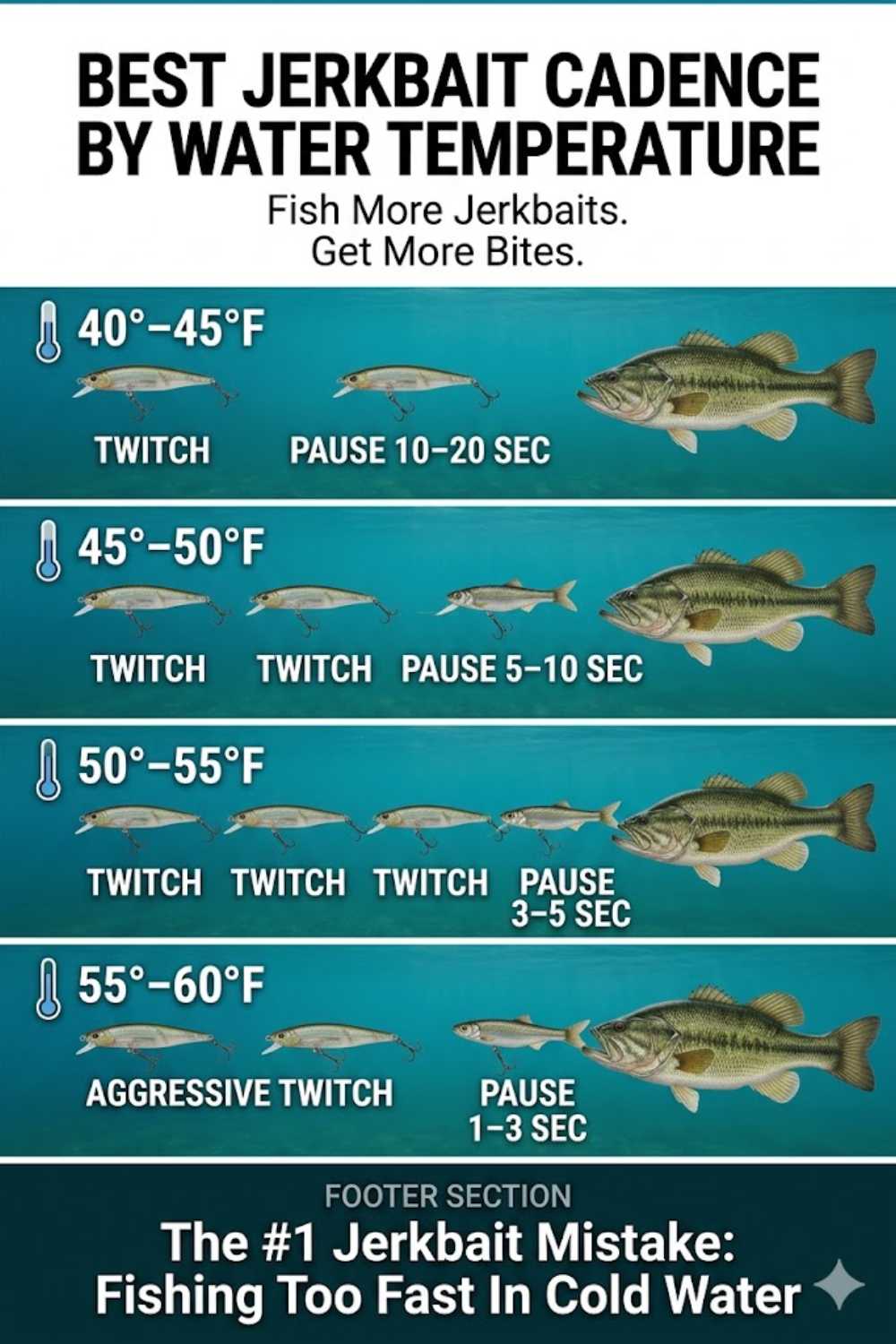
Winter (40–50 Degrees) Winter remains the classic jerkbait season. Bass frequently suspend near steep structure, bluff walls, and channel swings. Long pauses become critical. Depending on water temperature, pauses may range from five to twenty seconds. Many bites occur while the lure sits completely motionless.
Prespawn (50–60 Degrees) As bass move toward spawning areas, jerkbaits become outstanding search tools. Fish are often positioned on secondary points and transition banks. Retrieve speeds can increase slightly, but pauses remain important. This is often when larger female bass begin aggressively feeding.
Spawn (60–70 Degrees) Jerkbaits become more situational during the spawn. While not always the primary choice, they can be effective for targeting staging fish, fry-guarding males, and bass feeding near spawning flats.
Postspawn (65–75 Degrees) Bass recovering after spawning frequently suspend around nearby structure. Shad spawn activity also creates excellent jerkbait opportunities. Faster cadences often outperform cold-water presentations.
Summer (75+ Degrees) Many anglers put jerkbaits away too early. Deep offshore schools, suspended fish around timber, and pelagic baitfish feeders can all be caught effectively on jerkbaits during summer. Retrieve speed usually increases dramatically.
Fall Cooling Periods Fall bass often chase baitfish aggressively. Jerkbaits become efficient search tools capable of covering water while maintaining realistic baitfish action. Faster retrieves generally dominate until water temperatures begin declining significantly.
Water clarity heavily influences both lure selection and presentation.
Clear Water This is where premium jerkbaits shine. Natural translucent finishes frequently outperform brighter colors. Colors like GP Pro Blue, Ghost Shiner, and subtle shad patterns excel because they closely mimic natural forage.
Long casts become extremely important in clear water. Bass often have ample opportunity to inspect a lure, making realistic finishes and proper cadence critical.
Lightly Stained Water This range may actually produce the most consistent jerkbait fishing. Bass can still locate the lure visually, but reduced visibility often makes them more aggressive.
More opaque colors such as Sexy Shad, Table Rock Shad, or Pearl White frequently outperform translucent finishes.
Moderately Stained Water Jerkbaits remain effective but require greater emphasis on flash and vibration. Brighter colors become increasingly important. Retrieve cadence may need to become more aggressive to help fish locate the lure.
Dirty Water Traditional jerkbaits generally lose effectiveness as visibility decreases significantly. While they can still catch fish, spinnerbaits, vibrating jigs, and squarebills often become higher-percentage options.
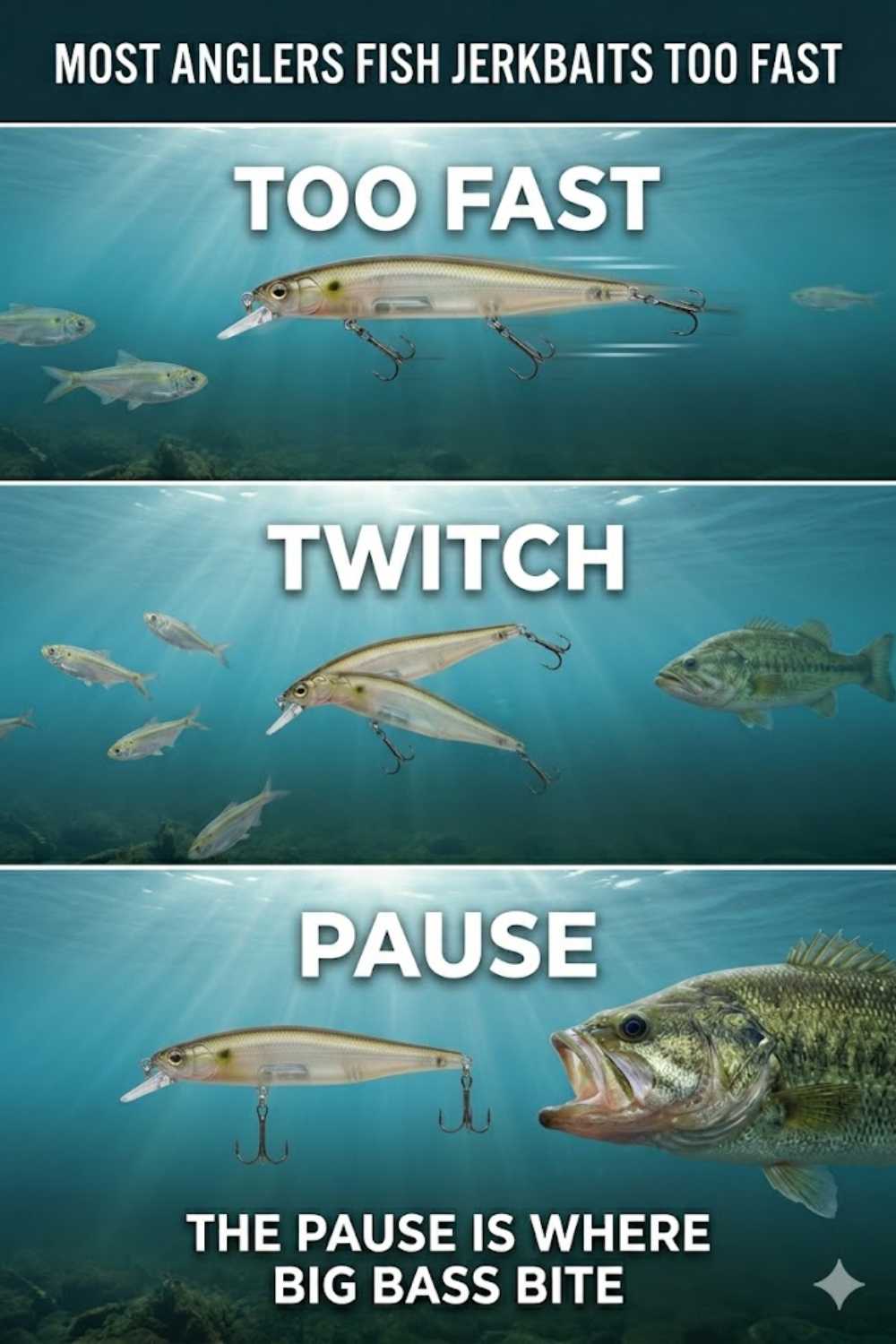
Many anglers focus obsessively on lure selection while overlooking cadence. In reality, retrieval technique often determines success far more than the specific jerkbait tied on.
The Classic Twitch-Twitch-Pause This remains the foundation of jerkbait fishing. Two sharp twitches followed by a pause imitate a wounded baitfish. The pause length should vary based on water temperature and fish activity.
The Cold-Water Deadstick In extremely cold conditions, anglers often fish too quickly. Long pauses of ten to twenty seconds frequently produce the biggest fish. The lure's ability to suspend perfectly becomes critical.
The Aggressive Tournament Cadence Professional anglers frequently use rapid, continuous twitches with minimal pauses when bass are actively feeding. This technique excels during prespawn, postspawn, and fall feeding periods.
The Sweep Method Rather than snapping the rod tip sharply, anglers use long sweeping motions. This produces wider glides and can trigger fish that have become conditioned to traditional cadences.
The Erratic Trigger Retrieve Alternating between aggressive twitches, short pauses, and long pauses creates unpredictability that often triggers following fish.
One of the most common mistakes is using the same cadence all day. Successful jerkbait anglers constantly experiment until fish reveal their preferred retrieve.
Several mistakes consistently prevent anglers from maximizing jerkbait success.
Fishing Too Fast This remains the biggest error, especially during winter. Bass in cold water often need extended pauses before committing.
Using Heavy Line Thicker line reduces lure depth and can negatively affect suspension characteristics. Most serious jerkbait anglers use lighter fluorocarbon to achieve optimal performance.
Ignoring Wind Wind often positions baitfish and activates bass. Many productive jerkbait days occur under breezy conditions that discourage less experienced anglers.
Fishing Only Shoreline Cover Modern jerkbait fishing often revolves around offshore structure, suspended fish, and bait schools. Restricting yourself to visible cover eliminates many productive opportunities.
Not Adjusting Cadence Bass frequently communicate their preference through follows, missed strikes, or short bites. Failure to adapt cadence leaves fish uncaught.
Choosing Colors Incorrectly Many anglers throw bright colors in ultra-clear water and natural colors in stained water. Matching visibility conditions generally improves results significantly.
Choosing the best jerkbait becomes much easier when decisions are based on conditions rather than brand loyalty.
If Water Temperature Is Below 50 Degrees Prioritize suspension quality above everything else. The Vision 110 and Stunna become excellent choices because they remain in the strike zone longer.
If Water Is Extremely Clear Natural finishes and realistic actions matter most. The Vision 110 and Pointer excel under these conditions.
If Bass Are Highly Pressured Subtle presentations often outperform aggressive retrieves. The Shadow Rap's dying-shad action frequently generates additional bites.
If You're New To Jerkbait Fishing The Strike King KVD Jerkbait provides excellent performance without requiring premium investment.
If Bass Are Feeding Aggressively Faster retrieves and more erratic actions become effective. The Stunna and KVD Jerkbait excel during active feeding periods.
If Versatility Matters Most The Lucky Craft Pointer remains one of the most adaptable jerkbaits ever produced, performing effectively across multiple seasons and fisheries.
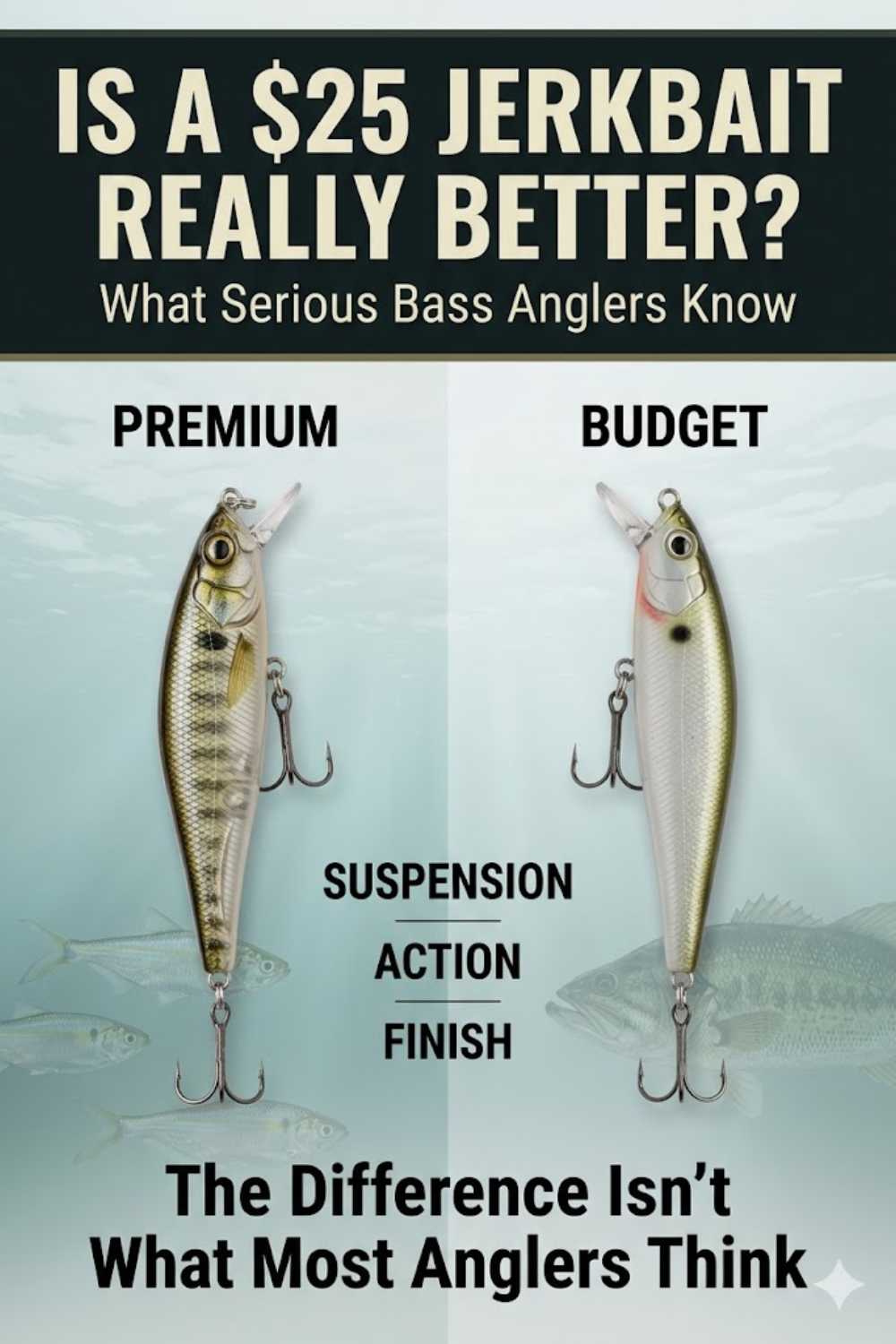
Best Overall: Megabass Vision 110 Best Value: Rapala Shadow Rap Best Beginner Option: Strike King KVD Jerkbait Best Tournament Choice: Berkley Stunna Most Versatile: Lucky Craft Pointer Best Clear Water Option: Megabass Vision 110 Best Cold Water Option: Megabass Vision 110 Best for Pressured Fish: Rapala Shadow Rap Best All-Around Investment: Vision 110
The reality is that all five lures catch bass consistently. The difference comes down to specific conditions and angler preferences. For most anglers building a jerkbait lineup, starting with a Vision 110 and adding either a Shadow Rap or Stunna provides excellent coverage.
Jerkbaits remain among the most productive bass lures ever created because they combine realism, versatility, and triggering power. Whether you're targeting winter suspending fish, prespawn giants, summer offshore schools, or fall bait chasers, a quality jerkbait belongs in your lineup.
For anglers seeking the single best overall choice, the Megabass Vision 110 continues to set the standard. Its suspension, casting performance, and fish-triggering action make it the benchmark of the category.
The Berkley Stunna offers tournament-level performance with aggressive action and outstanding versatility. The Lucky Craft Pointer remains one of the safest all-around choices available. Budget-conscious anglers will appreciate the value of the Rapala Shadow Rap, while newcomers can confidently start with the Strike King KVD Jerkbait.
Ultimately, success depends less on brand selection and more on understanding bass behavior, seasonal positioning, and cadence adjustments. Anglers who master those factors consistently catch more bass regardless of which premium jerkbait is tied on.
Industry-standard suspending jerkbait for cold-water bass.
Cold, clear water — long pauses near rock and points.
As an Amazon Associate I earn from qualifying purchases.
Staging fish on transition banks and the baits that work.
Fry guarders and the recovery slowdown.
Walking baits, frogs, and poppers in heat.
Deep structure or shade — pick one.
Shade plus structure in the heat of the year.
Shad migration and aggressive pre-winter feeding.
Plug in today's water temp, clarity, weather, and forage — the tool returns the highest-confidence presentations.
Build Today's Strategy →