What makes Lake Wylie different
Lake Wylie is a river-influenced reservoir. The upper Catawba arm runs dirty most of the year, the mid-lake fishes like a classic dock-heavy southern reservoir, and the lower lake around the bridges and main-lake points sets up like a herring fishery. A lure that crushes fish around Buster Boyd Bridge in July may not get bit in the back of a creek the same day.
Most anglers fish Lake Wylie like it's one lake. The anglers who consistently produce treat it like three.
Seasonal patterns on Lake Wylie
Winter (December–February)
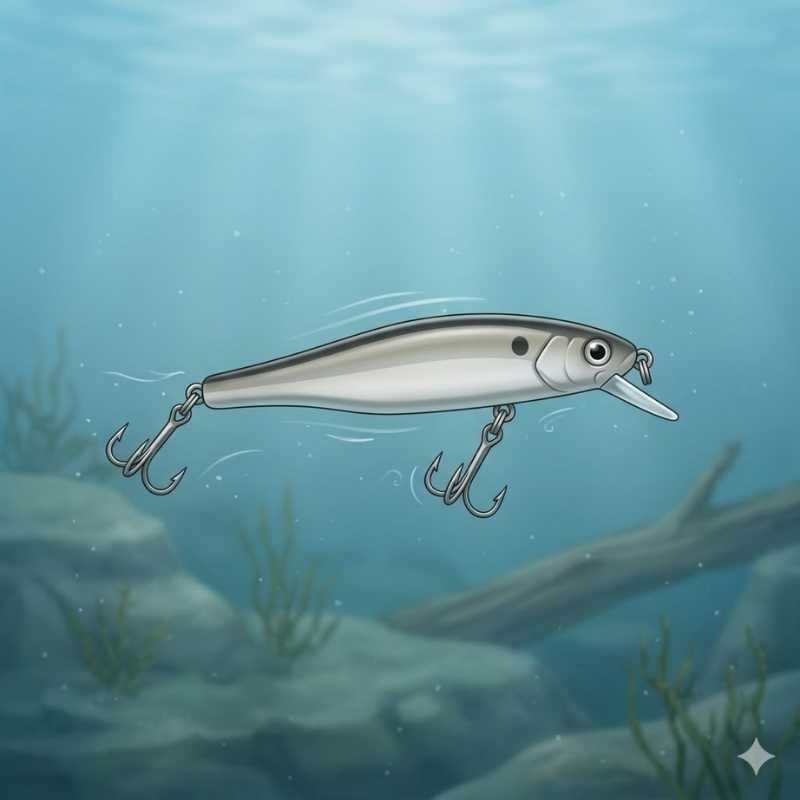
Bass stack on the deepest creek bends and main-lake points. A blade bait or jerkbait worked slowly off the channel edges is the highest-percentage presentation. Catawba River discharge bumps current and concentrates fish on rock and bridge pilings. In water under 50°F, most anglers fish their jerkbait pause too short — a ten-second hang is not too long here.
Pre-spawn (late February–March)
Pre-spawn fish move into the major creek arms and stage on secondary points and the first hard cover off the channel. Stained-water chatterbaits, lipless cranks, and red squarebills around riprap dominate. Watch for the first warming trend after a cold snap — bass move quickly when water gains 2–3 degrees over two sunny afternoons.
Spawn (April)
Bass spawn in protected pockets and around floating docks. Wacky worms, small creature baits, and a white swim jig pitched to dock shade produce. Stained water on Wylie means sight fishing is rarely as visual as on a clear lake — focus on cover types where bass historically bed.
Post-spawn (May)
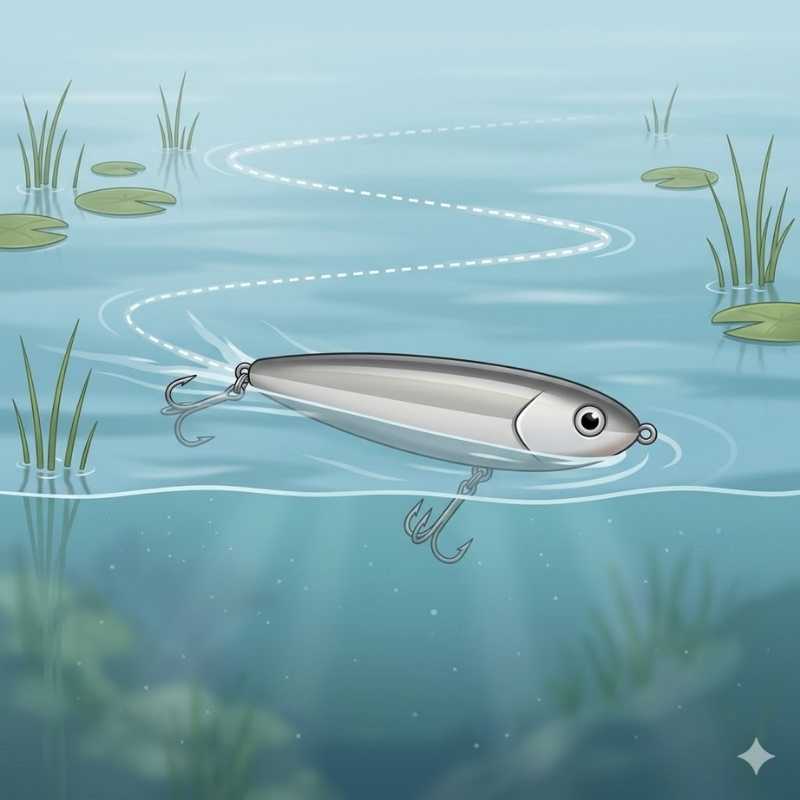
Recovering bass suspend near docks and brush. A weightless soft stickbait around floating docks and a topwater walking bait early and late are the most reliable patterns. Bass often position closer to vertical cover after the spawn wears them down.
Summer (June–August)
Two patterns split the population. Largemouth bury under floating docks and shade — pitch a jig or Texas rig to dock posts and brush. Spotted bass and herring-keyed largemouth set up on main-lake points and bridge pilings — a walking topwater at first light, then a flutter spoon or swimbait on the same structure midday. See the full summer guide.
Fall (September–November)
Shad and herring migrate into creek arms and bass follow. Lipless crankbaits, walking topwaters, and white spinnerbaits across the backs of creeks are classic fall producers. The lower-lake herring bite stays strong into November on points and bridge shade.
Sections of Lake Wylie and how to fish them
Upper Catawba River arm
Stained year-round, dirties quickly with rain. Vibration baits win — chatterbaits, spinnerbaits, and squarebills in shad or red patterns. Current is a factor; fish the eddies and the downcurrent side of laydowns and rock.
Mid-lake creek arms (Crowders, Big Allison, McDowell)
Classic dock-heavy fishing. Pitch jigs and Texas rigs to dock posts, brush, and the shaded sides. A swim jig threaded between dock cables produces in summer when bigger baits get refused.
Lower lake and Tega Cay
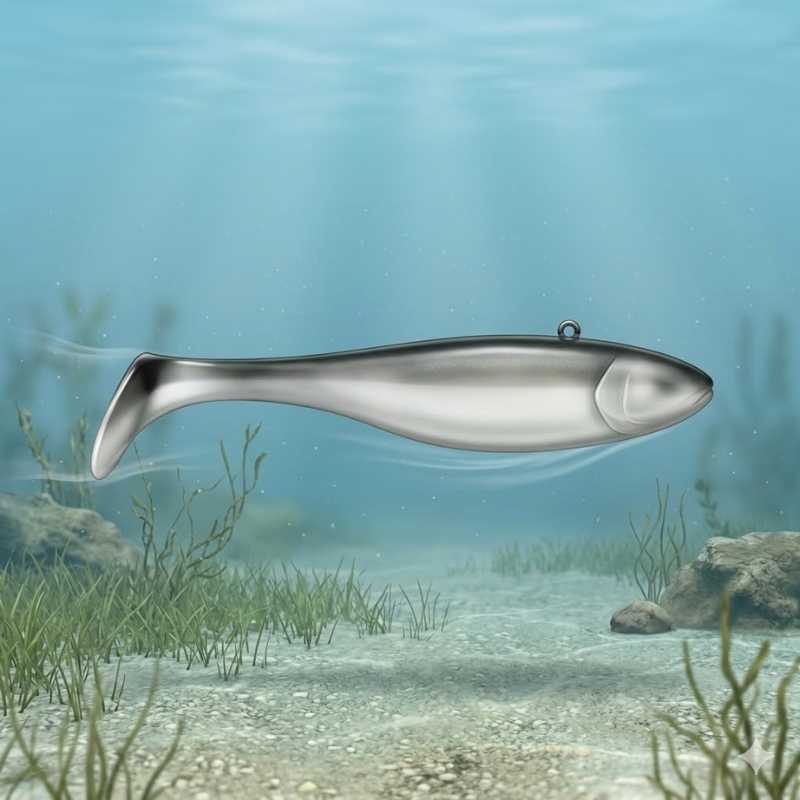
Cleaner water, blueback herring, main-lake points, and bridge pilings. Topwater walking baits at first light, swimbaits and underspins midday, and a dropshot on the deepest points when the bite tightens.
Three lures that produce year-round on Lake Wylie
Z-Man JackHammer ChatterBait
The benchmark bladed jig — premium hardware and perfect vibration.
Stained water, wind, scattered grass — moderate-paced reaction bait.
As an Amazon Associate I earn from qualifying purchases.
Alternative Options
- Strike King Thunder Cricket →Alternative
Dirty Jigs Compact Pitchin' Jig
Premium skirt and head shape for pitching tight cover.
Pitch to docks, laydowns, and isolated cover for big fish.
As an Amazon Associate I earn from qualifying purchases.
Alternative Options
- Strike King Structure Jig →Alternative
- Booyah Boo Jig →Budget
Heddon Super Spook
The benchmark walking topwater — long casts and big bites.
Low-light, calm surface — walk the dog over open water.
As an Amazon Associate I earn from qualifying purchases.
Alternative Options
- River2Sea Whopper Plopper →Alternative
- Berkley Choppo →Budget
Local tactics most anglers miss
- After a Catawba River release, current pulls bait through bridge eddies — a lipless crankbait in the seam outproduces a stationary jig.
- Floating docks with brush underneath hold bigger fish than fixed docks. Most anglers pitch the front corners; the back-side shade in mid-afternoon is where the larger bass position.
- Spotted bass schooling on herring move fast. Keep a walking bait and an underspin tied — by the time you re-rig, the school has moved.
- In stained water, vibration usually matters more than realism. Don't downsize blades on Wylie thinking it'll help.
Best baits by season summary
- Winter: jerkbait, blade bait, jig
- Pre-spawn: chatterbait, lipless, red squarebill
- Spawn: wacky worm, creature bait, swim jig
- Summer: walking topwater, jig under docks, swimbait on points
- Fall: lipless, spinnerbait, walking topwater