Why bass shut down after a front — the biology
Most anglers blame the cold. The temperature change matters, but it isn't the main driver. A passing front pulls a high-pressure system in behind it, and bass — like most fish with a swim bladder — react to that pressure swing by tightening up and reducing movement. The fish has to physically adjust gas volume in its swim bladder to recompensate, which is metabolically expensive. While that's happening, chasing prey isn't worth the calories.
Add a 10–15 degree air-temperature drop, surface cooling, and a clear bluebird sky overhead, and bass have every reason to bury into cover and wait it out. The shutdown isn't laziness — it's biology. For the atmospheric side of the same equation, see the high pressure bass fishing deep dive and the weather pillar guide.
Bass positioning breakdown
Bass that were roaming the outside grass line two days ago slide back inside it. Fish that were cruising shallow flats drop to the first drop. The pattern is consistent: they tighten to the densest cover available and orient vertically against it. When bass slide off structure after a front, they rarely relocate far — they just compress. Most of the fish are within 20 feet of where they were before; they're just glued to cover instead of cruising.
- Dock posts — fish move from the outside corners to the most vertical inside posts in shade.
- Laydowns — bass slide from the tips of branches into the dense fork at the base of the trunk. See laydowns guide.
- Grass — outside-edge fish push to the inside edge and the densest mat sections.
- Rocks — bass tuck into the back side of boulders, out of the prevailing wind.
- Brush — the deepest, densest stick of a brushpile holds the most fish.
The post-front lure rotation
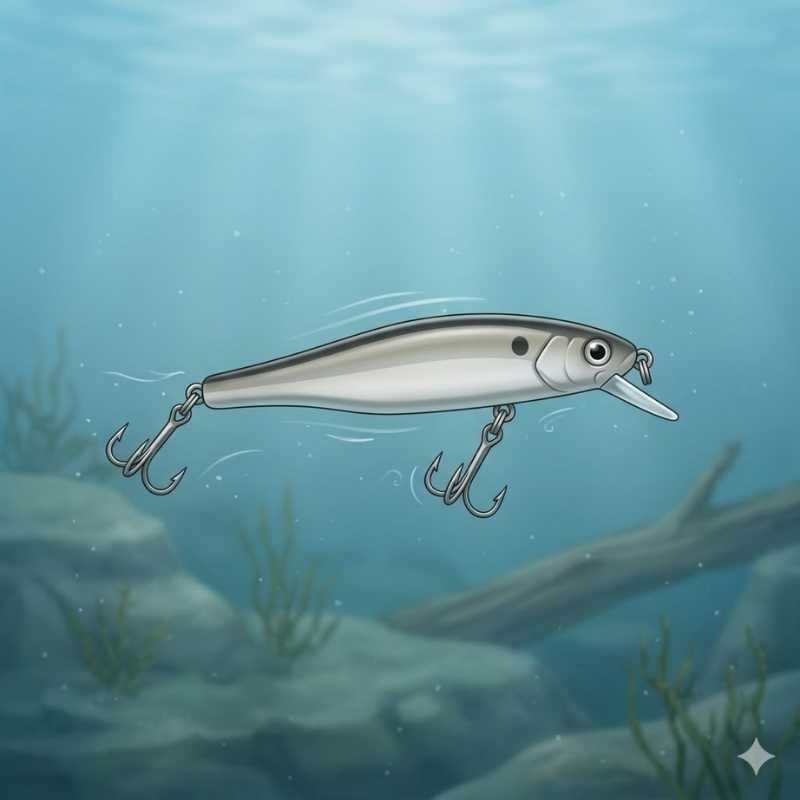
Megabass Vision 110
Industry-standard suspending jerkbait for cold-water bass.
Cold, clear water — long pauses near rock and points.
As an Amazon Associate I earn from qualifying purchases.
Alternative Options
- Rapala Shadow Rap →Alternative
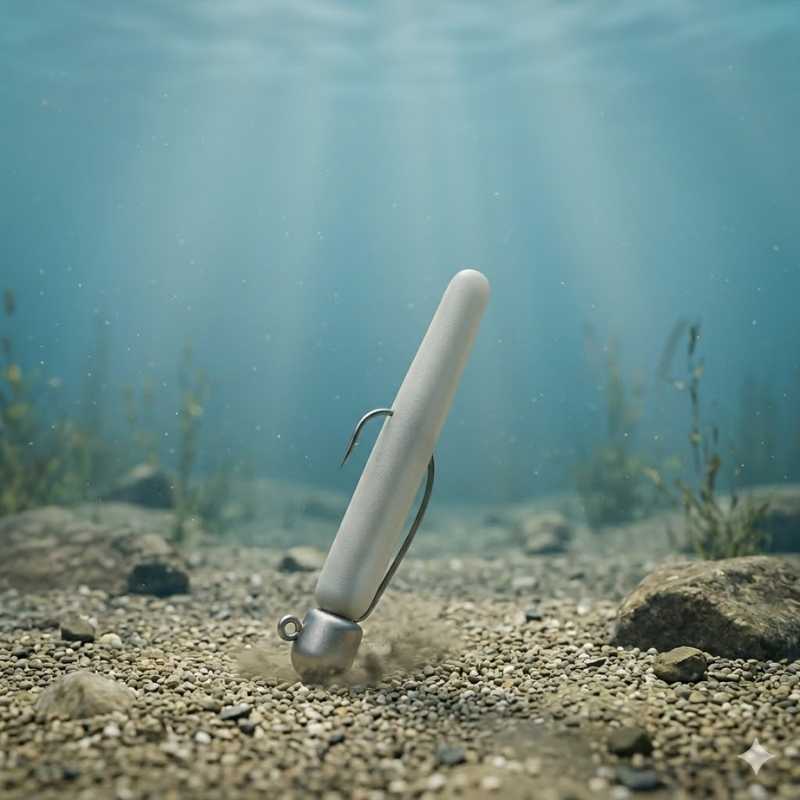
Z-Man Finesse TRD
The bait that defined the Ned rig — bites when nothing else does.
Tough bite, pressured fish — slow drag on hard bottom.
As an Amazon Associate I earn from qualifying purchases.
Alternative Options
- Yamamoto Ned Senko →Alternative
- Strike King Ned Ocho →Budget
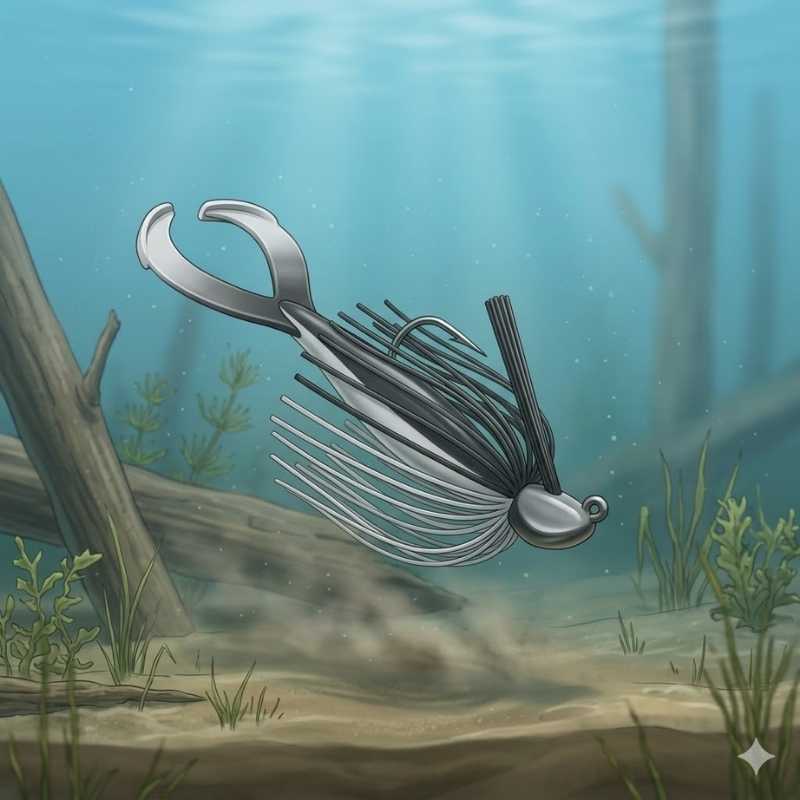
Dirty Jigs Compact Pitchin' Jig
Premium skirt and head shape for pitching tight cover.
Pitch to docks, laydowns, and isolated cover for big fish.
As an Amazon Associate I earn from qualifying purchases.
Alternative Options
- Strike King Structure Jig →Alternative
- Booyah Boo Jig →Budget
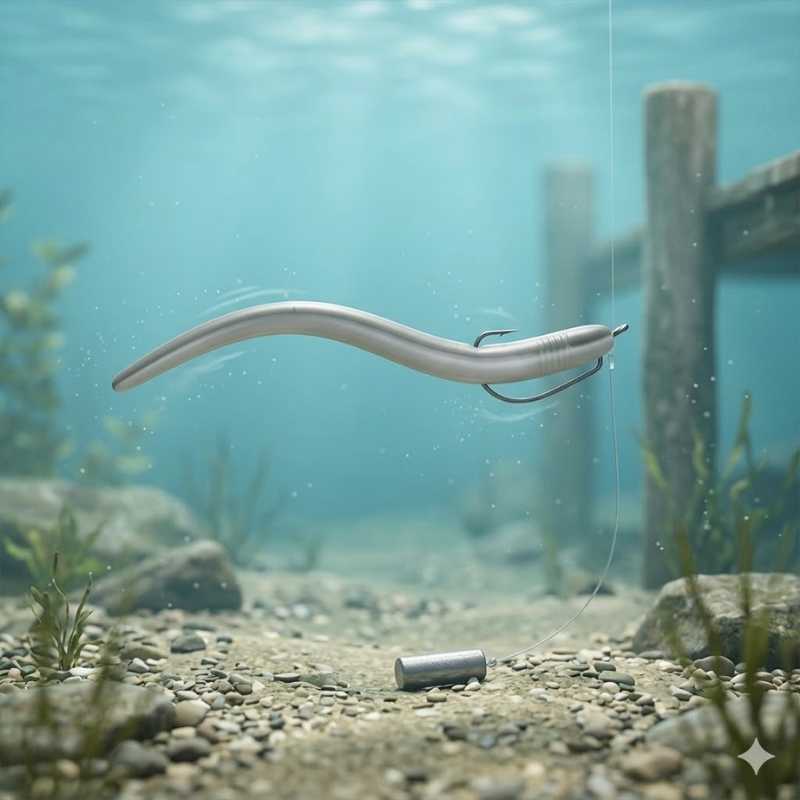
The common thread is presentations that stay in the strike zone with minimal forward movement. A jerkbait suspends. A Ned rig stands up and quivers. A jig falls vertical against cover. Add a drop shot for deeper cover and a shaky head for the cleanest cover and you have the full toolkit. For the broader downsized rotation, see best lures after a cold front.
Seasonal considerations
Cold fronts don't all hit equally. The same forecast can mean different things across the calendar.
- Pre-spawn fronts — most damaging. A 50-degree pre-spawn lake dropping to 45 can push fish back off the spawning flats for a full week. Slow rolling a chatterbait on transition banks is the go-to.
- Spawn fronts — bass on beds usually stay on beds, but they get tighter and tougher. Sight-fishing requires longer casts, lighter line, and more patience.
- Summer fronts — the least damaging. Often bass fire up during the front and only shut down briefly behind it. Deep offshore fish often barely notice. See summer midday positioning.
- Fall fronts — short-term tough, but each front compounds the bait migration. The day after a fall front is often slow; the day after that can be one of the best of the year.
- Winter fronts — the bite was already slow. A winter cold front pushes fish off the upper end of their winter range and concentrates them on the deepest cover. Winter bass lures covers the full rotation.
Water clarity adjustments
Cold-front shock is essentially a sensory shock — pressure plus light plus temperature all changing at once. Stained or muddy water buffers two of those three. The dirtier the pocket, the less damaging the front. Spend the day after a front looking for the most stained water on the lake — a muddy creek arm, a wind-roiled bank, the back of a clay-bottom cove — and you'll find bass behaving more like a normal day. See the water clarity lure selection guide for the full color logic.
- Clear water — worst hit. Drop to finesse and natural colors.
- Stained water — moderately hit. Chatterbaits and small spinnerbaits still produce.
- Muddy water — least hit. Sometimes the only bank on the lake that's still on a normal pattern.
Lure selection logic
Decide top-down: pressure-trend dictates speed → cover density dictates profile → clarity dictates color. Specifically:
- Speed: rising pressure → slow. The bait should hover or crawl, not move.
- Profile: dense cover → compact (jig + craw, Ned, finesse worm). Open cover → suspending profile (jerkbait, drop shot).
- Color: clear → natural; stained → contrast accent; muddy → dark silhouette or solid chartreuse.
- Line: drop one to two pound test. A 12 lb fluoro day becomes a 10 lb day.
- Hook: downsize to a lighter wire, finer point. Light bites need light hooks.
Retrieve adjustments
- Add five seconds to every pause. Most anglers fish a jerkbait too fast post-front. A 10-second pause is rarely too long in water under 55°F.
- Let the jig sit. After it touches cover, count to three before the first hop.
- Slow the wind drift. A trolling motor on a low setting keeps the boat from outpacing the fish.
- Shake without moving. A Ned rig or drop shot can be worked in place for 30 seconds and out-produce a moving presentation.
Real-world application: a typical post-front day
Tuesday: warm, falling barometer, 12 mph SW wind. The bite is on. Wednesday: front passes overnight with rain. Thursday morning: 28°F, north wind at 18, bluebird sky. The lake looks dead because it mostly is. Start on the most stained pocket you can find, skip a 1/4 oz jig with a small chunk under every dock, hit the inside edge of any grass, and fish the first hour as if the bite ends at 10 AM — it usually does. Plan to spend 8 hours catching what would have been 30 minutes of bites two days earlier. The fish that bite are quality; numbers are not the game.
Common mistakes anglers make
- Throwing the same baits that worked yesterday and assuming the fish moved.
- Fishing the outside edges instead of inside the cover where the bass now sit.
- Refusing to downsize because the previous trip produced on bigger profiles.
- Burning gas running new water instead of slowing down on known fish.
- Fishing the calm side of the lake. Wind helps even on a post-front day — see wind positioning.
What experienced anglers notice
The first bite of a post-front day usually tells you everything. If it comes on a slow vertical presentation tight to cover, the rest of the day fishes the same way. If a reaction bait gets bit clean, the front's impact is wearing off and the bite is opening back up. Most of the time post-front fishing punishes anglers who don't adjust. The exception is a windblown bank — wind plus clouds reduces the post-front shock and fish on the wind line will still eat moving baits. See bluebird sky bass fishing for the visual cousin of this pattern.
When the front passes
The second or third day after a front, fish slide back out — sometimes aggressively. Watch for stable barometric pressure and warming water at the surface; both signal that the reaction-bait bite is coming back. Pair this guide with the windy conditions baits rotation for the recovery window and the stable weather positioning guide for the days that follow.