Why Temperature Controls Behavior
A bass at 42°F burns roughly one-fifth the calories it burns at 72°F. That ratio decides everything else about how it behaves. At low metabolism, a bass can't afford to chase — strike windows shrink to a few inches, fish hold tight to structure, and feeding cycles spread out to once every few days. At high metabolism, the same fish will chase a bait 15 feet across a flat. Temperature also drives prey behavior — shad school differently at 50°F than at 75°F, crawfish molt cycles run on temperature, and bluegill spawning waves trigger off thermal thresholds. When you change the temperature, you change the entire ecosystem at once. For the broader behavioral framework, see the complete guide to bass behavior.
Below 45 Degrees
Winter survival mode. Bass stack on the deepest hard structure they have access to with bait nearby — typically main-lake points, channel swings, and bluff transitions in 18 to 40+ feet. They feed in short, infrequent windows that usually fall in the warmest part of the day (1–4 PM) when surface temperatures bump 1–2°F. Strike windows are vertical and small; reaction baits that stay in the zone produce more than horizontal presentations.
Damiki Vault Blade Bait
Tight vibration — an ideal winter vertical blade.
Cold water on deep structure — short rips with long pauses.
As an Amazon Associate I earn from qualifying purchases.
Alternative Options
- Steel Shad →Alternative
- Heddon Sonar Flash →Budget
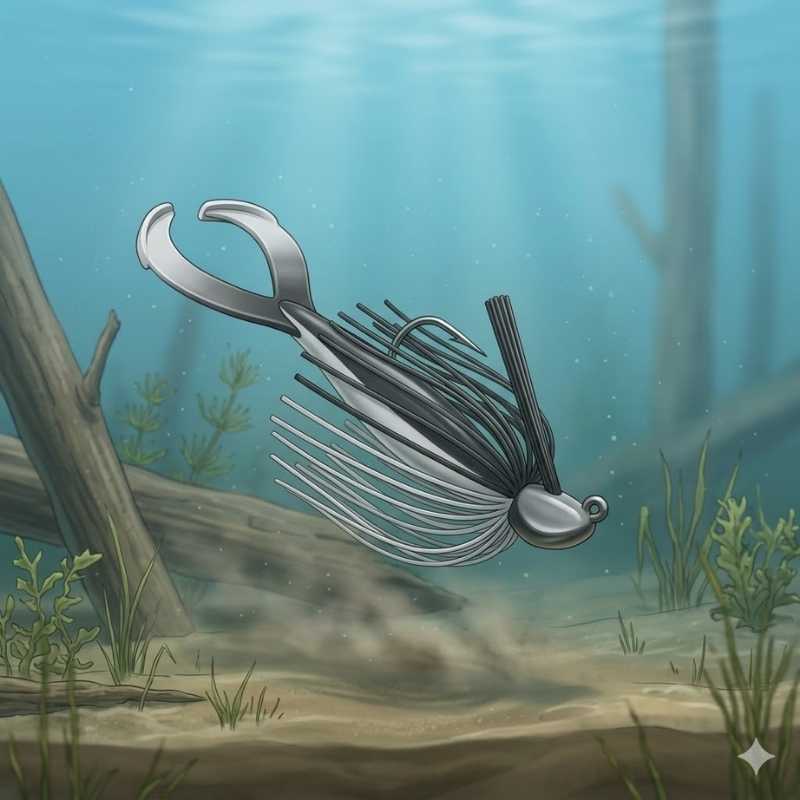
Drag a small football jig along the bottom, yo-yo a blade bait vertically over schools, or work a jerkbait with 8–15 second pauses on cleaner banks. Match retrieve speed to metabolism — too fast and you walk the bait past unwilling fish. For the cold-water lure short list, see winter bass fishing lures.
45–55 Degrees
The most misunderstood range in bass fishing. Bass are feeding more aggressively than in deep winter, but most anglers fish reaction baits too fast through this band and miss fish. This is jerkbait country — suspending jerkbaits with long, irregular pauses are devastating from 45°F to about 55°F. Bass also start sliding from deep winter holes onto secondary points and transition banks as the lower end of the range turns over.
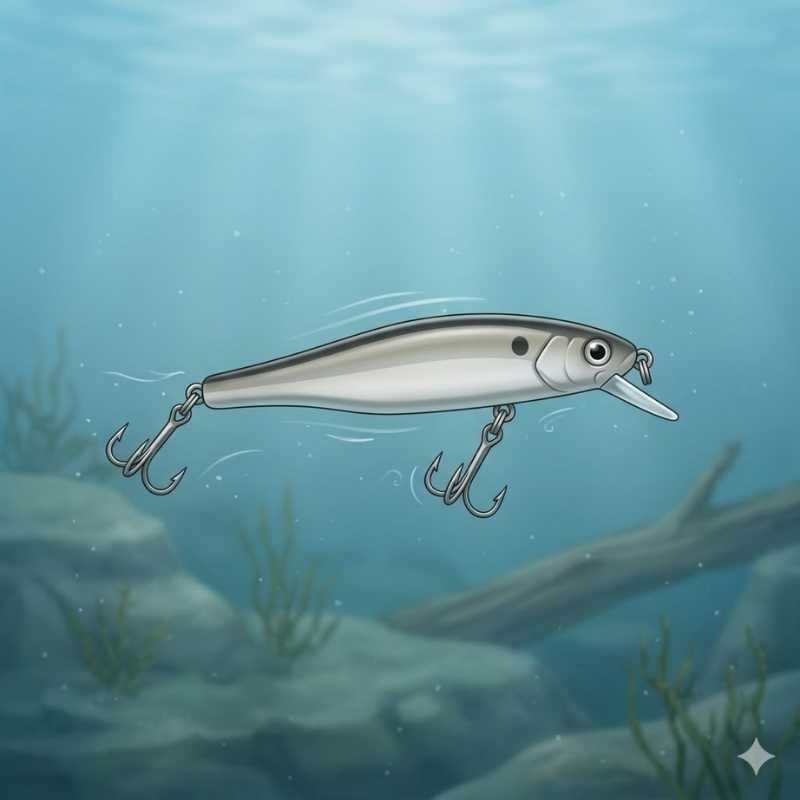
Megabass Vision 110
Industry-standard suspending jerkbait for cold-water bass.
Cold, clear water — long pauses near rock and points.
As an Amazon Associate I earn from qualifying purchases.
Alternative Options
- Rapala Shadow Rap →Alternative
Toward 55°F the prespawn begins. Fish stage on the first hard structure between deep water and spawning flats. See why bass relocate to transition banks for the staging logic and pre-spawn bass fishing lures for the next step up in cadence.
55–65 Degrees
Prespawn aggression and the start of the spawn. The single most consistent feeding window of the year. Bass move shallow, set up on staging banks, and eat reaction baits aggressively. Strike windows widen and fish chase several feet. Reservoir water temperatures usually move through this band over 2–4 weeks in spring and again in fall.
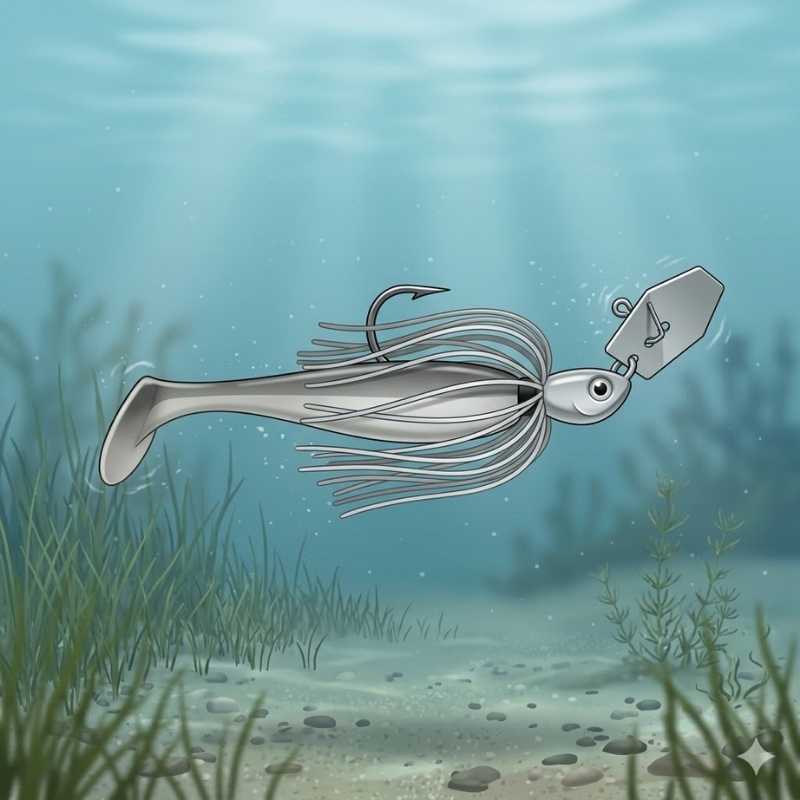
Z-Man JackHammer ChatterBait
The benchmark bladed jig — premium hardware and perfect vibration.
Stained water, wind, scattered grass — moderate-paced reaction bait.
As an Amazon Associate I earn from qualifying purchases.
Alternative Options
- Strike King Thunder Cricket →Alternative
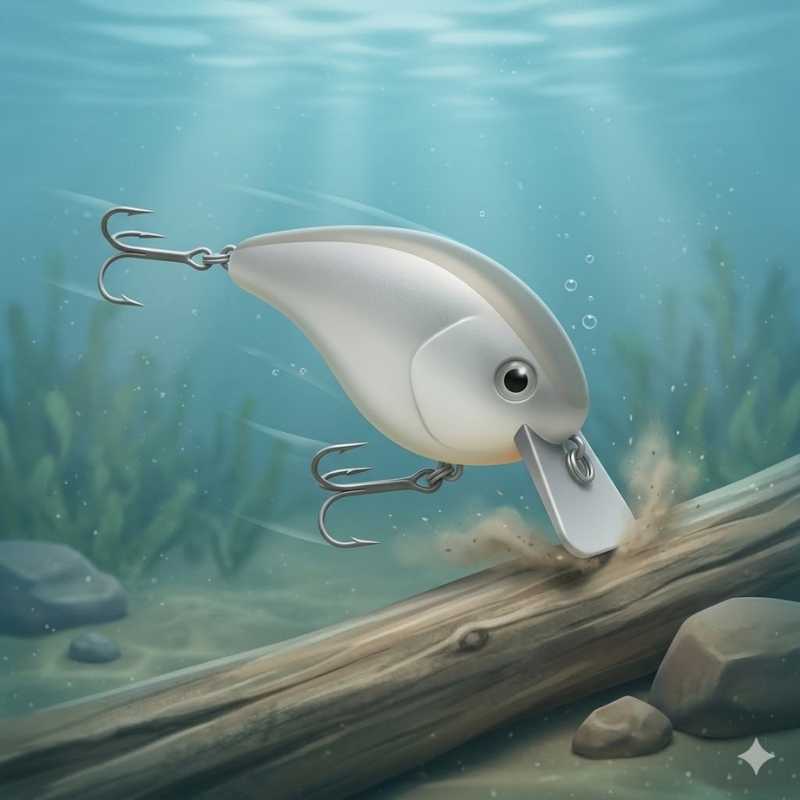
Strike King KVD 1.5
Deflects off cover like nothing else — the go-to shallow crank.
Shallow wood and rock — make it deflect off cover.
As an Amazon Associate I earn from qualifying purchases.
Alternative Options
- Lucky Craft LC 1.5 →Alternative
Chatterbaits, squarebills, lipless cranks, and Texas-rigged plastics all produce. Match retrieve speed to wind and clarity rather than overthinking lure selection — most reasonable baits will get bit if they're in the right place. The fall version of this range coincides with the shad migration into creek arms; see fall bass fishing bait guide.
65–75 Degrees
Prime range. Postspawn through early summer. Bass are scattered but actively feeding, and almost any reasonable presentation produces if it's in the right place. Two patterns split the lake — shallow fry-guarding males in 1–5 feet and recovering females that pull to the first major break offshore. The forage-driven pattern (shad spawn, bluegill spawn) overlaps the lower end of this range.
War Eagle Spinnerbait
Classic Colorado/willow combo for windy banks and stained water.
Windy banks and stained water — burn it parallel to cover.
As an Amazon Associate I earn from qualifying purchases.
Alternative Options
- Luck E Strike Legends Spinner Bait →Alternative
Spinnerbaits, chatterbaits, walking topwater, and Texas-rigged worms all work. As temperatures push toward 75°F, the lake starts setting up its summer pattern with bait pulling to the thermocline. The shad spawn event also runs through this band — see shad spawn bass fishing for the morning window.
Above 75 Degrees
Summer split. The lake fractures into two patterns: shallow shade-and-cover bass that feed early, late, and at night, and offshore school bass that hold on hard structure at the thermocline depth and eat through the day. Surface temperatures above 82°F shut down most midday shallow activity except under matted vegetation or in current-driven areas.
Heddon Super Spook
The benchmark walking topwater — long casts and big bites.
Low-light, calm surface — walk the dog over open water.
As an Amazon Associate I earn from qualifying purchases.
Alternative Options
- River2Sea Whopper Plopper →Alternative
- Berkley Choppo →Budget
SPRO Bronzeye Frog 65
Walks easily, casts a mile, and clears the pads.
Matted vegetation and lily pads — walk it slowly across openings.
As an Amazon Associate I earn from qualifying purchases.
Alternative Options
- LiveTarget Hollow Body Frog →Alternative
- Booyah Pad Crasher →Budget
Strike King 6XD
Reaches deep with predictable wobble for offshore ledges.
Offshore ledges and humps — grind it into the bottom.
As an Amazon Associate I earn from qualifying purchases.
Alternative Options
- Rapala DT-16 →Alternative
- Berkley Dredger →Budget
First-light topwater, then transition to deep cranks, big worms, and football jigs on offshore structure once sun gets high. The thermocline becomes the dominant feature — see thermocline bass fishing for finding the productive depth layer. The midday pattern is covered in midday summer bass fishing.
Oxygen and Temperature
Temperature alone doesn't predict where bass live in summer — dissolved oxygen does. Cold water holds more oxygen than warm water, but a deep cold layer below the thermocline often has almost no oxygen at all because nothing mixes it in. The result: bass can't simply go deep to escape heat. They have to find the narrow band where temperature is acceptable AND oxygen is present, which is usually the upper edge of the thermocline at 12 to 25 feet on most reservoirs. For the full mechanism see low oxygen bass fishing.
The same logic explains the post-turnover slump in fall — when surface water cools enough to mix with the deep layer, the whole lake briefly goes oxygen-poor while the cycle resets. See why lake turnover shuts the bite down.
Mistakes Anglers Make
- Trusting the calendar instead of the thermometer. A 58°F February day fishes like a March day; a 48°F April day fishes like a March day too.
- Fishing a winter cadence into spring. Once water hits the mid-50s, bass want movement — slow rolling and deadsticking start losing fish.
- Ignoring the bottom-to-surface temperature spread in summer. The surface might read 88°F while bass are sitting in 76°F water below the thermocline.
- Reacting to single warm days. One warm afternoon doesn't change the pattern. Three to five stable days at a new temperature does.
- Not logging surface temp at every launch. Patterns become obvious after a season of data — without it, every trip starts from scratch.
- Forgetting the trend matters more than the absolute number. A rising 52°F beats a falling 56°F almost every time. For the falling-trend exception see cold front bass fishing lures.
Putting Temperature To Work
Read the surface temperature at the ramp before you launch. Combine it with the trend (rising, falling, stable) over the previous 48 hours. From those two pieces of information, you can usually predict depth, lure category, and retrieve speed before you make a single cast. Wind, clarity, and pressure layer on top — but temperature is the master variable that sets the framework. For the temperature-to-lure shortcut see best bass lures by water temperature and best bass lures for 55° water.