What makes bluebird tough
Bluebird sky is rarely the only issue. It's usually paired with a recent cold front, a rising barometer, cool overnight temperatures, and dead-calm wind. Each of those factors alone makes fishing harder. Together they collapse the bite. For the full atmospheric picture, the weather pillar covers how pressure, wind, and cloud cover interact, and the cold front lures guide covers the front that almost always precedes a bluebird sky.
Most anglers notice that the fish themselves don't disappear — sonar still shows them in the same general areas. What changes is willingness to chase, willingness to move, and willingness to commit. The strike zone collapses from a 6-foot sphere around the fish down to a 6-inch sphere right against cover.
Bass positioning breakdown
- Vertical cover — dock posts, standing timber, bridge columns. Bass orient with the cover between them and the overhead sun.
- Shaded undercut banks — anywhere overhead light is reduced.
- Slightly deeper than yesterday — fish drop a foot or two to escape direct light. Check the next contour down from wherever you were finding fish before the front.
- Inside grass lines — tight against the bank cover, not the outside edge. Grass lines guide.
- Brushpiles in 8–18 feet — deeper cover is partially buffered from the light shock; brush in this band can stay productive even on the brightest day.
- Bluffs with overhang — natural rock walls with overhanging vegetation create long shade lines through the day. Shade lines guide.
Seasonal considerations
Bluebird sky doesn't fish the same in every season.
- Pre-spawn bluebird — toughest version. Bass were just about to push shallow; the front shoves them back to staging structure. Look for the warmest, most stained pocket on the lake.
- Spawn bluebird — bedded fish stay bedded but get tighter. Sight-fishing requires distance and patience.
- Summer bluebird — shallow fish die; offshore fish thrive. The thermocline pattern can actually be at its best. See thermocline positioning.
- Fall bluebird — the bait pull is so strong it overrides some of the front damage. Bass still feed in the back of creek arms; the rest of the lake is tough.
- Winter bluebird — deep fish are fine; shallow fish are done. Vertical jigging on deep structure is the highest-percentage approach. Winter bass lures.
The bluebird lure rotation
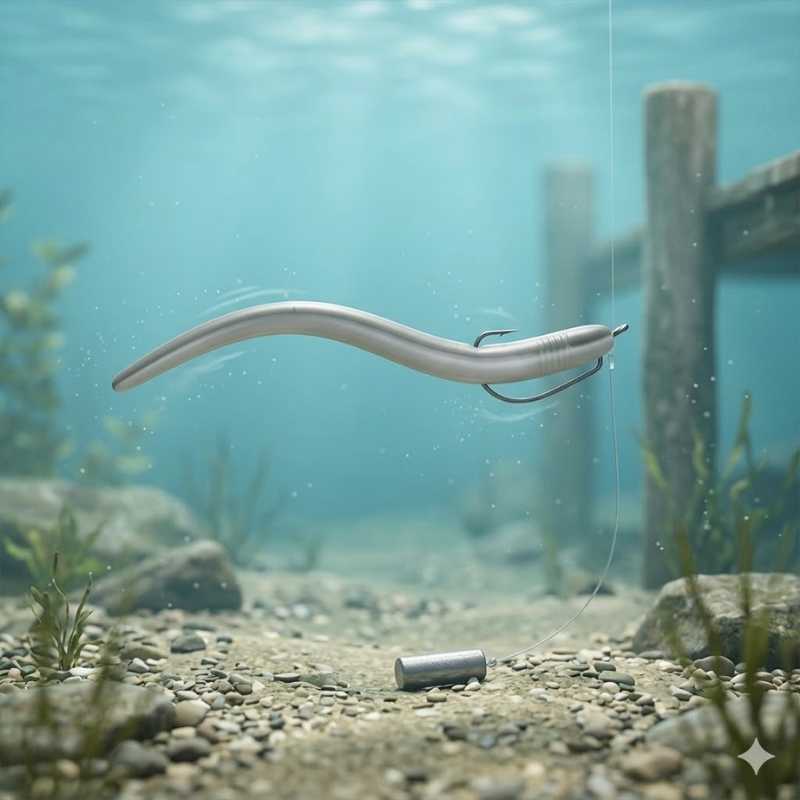
Z-Man Finesse TRD
The bait that defined the Ned rig — bites when nothing else does.
Tough bite, pressured fish — slow drag on hard bottom.
As an Amazon Associate I earn from qualifying purchases.
Alternative Options
- Yamamoto Ned Senko →Alternative
- Strike King Ned Ocho →Budget
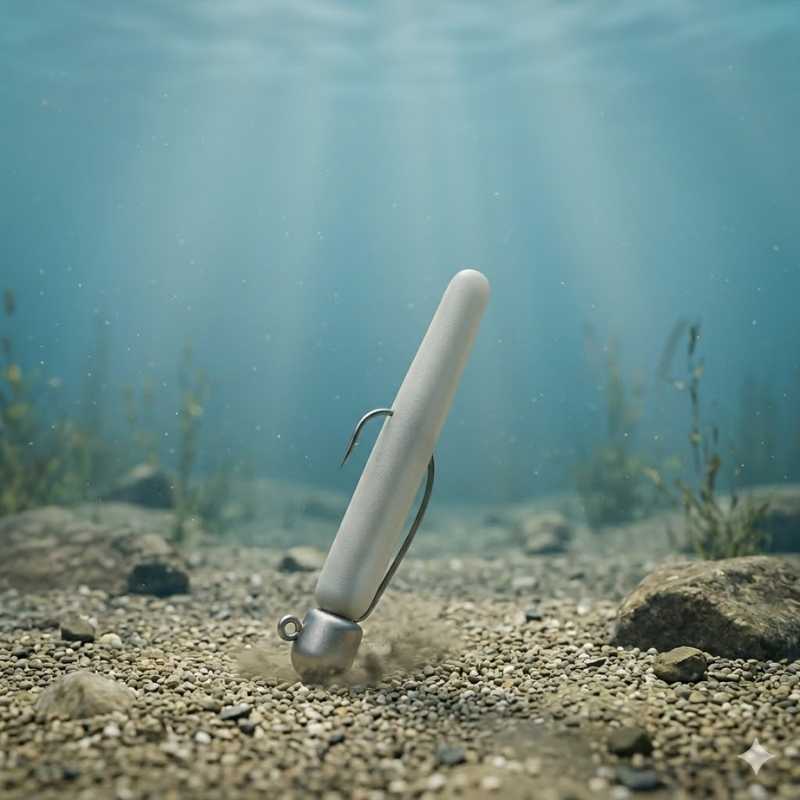
Roboworm Straight Tail
Industry-standard dropshot worm — subtle and proven.
Pressured or deep clear water — vertical shake on rock with a slim worm.
As an Amazon Associate I earn from qualifying purchases.
Alternative Options
- Berkley Bottom Hopper →Alternative
- Berkley MaxScent Flatworm →Budget
Megabass Vision 110
Industry-standard suspending jerkbait for cold-water bass.
Cold, clear water — long pauses near rock and points.
As an Amazon Associate I earn from qualifying purchases.
Alternative Options
- Rapala Shadow Rap →Alternative
Water clarity adjustments
Bluebird light hits clear water hardest. The same lake with the same front can fish very differently across clarity zones. See the water clarity lure selection guide for the full color logic.
- Clear water — go deeper, smaller, and more natural. 6 lb fluorocarbon and a 3-inch finesse worm beats anything else.
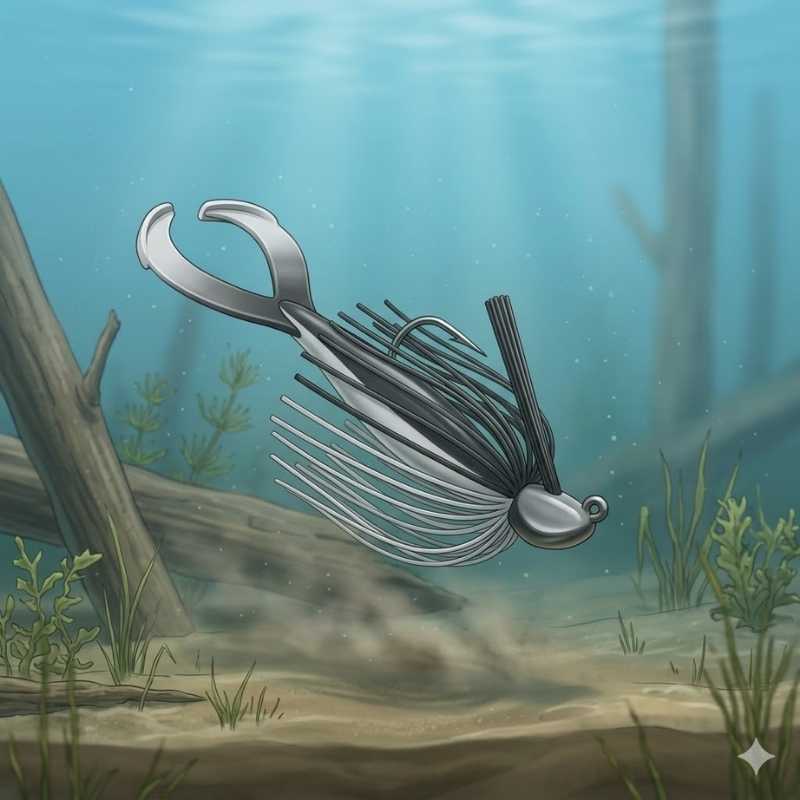
- Stained water — the most fishable bluebird scenario. A 3/8 oz jig with a green pumpkin craw produces all day.
- Muddy water — almost a normal day. A chatterbait or spinnerbait on the windward bank still produces. Find the muddiest pocket on the lake first.
Lure selection logic
- Profile — smaller than your normal go-to. A 3-inch creature beats a 4-inch creature.
- Color — natural. Green pumpkin, watermelon, smoke, ghost shad.
- Action — subtle. No-action soft plastics outproduce wide-thump baits.
- Presentation — vertical or near-vertical. Cast past, fall, soak, twitch, repeat.
- Speed — half normal. If you'd normally make 6 casts in a pocket, make 3.
Real-world application: a bluebird game plan
Forecast: 28°F at dawn, sunny, calm, high pressure. Plan: launch in the dark, target the warmest stained pocket on the lake at first light with a jerkbait on long pauses. By 8 AM transition to a 3/16 oz Ned rig and pick apart every dock, laydown, and brushpile in the same area. Stop hopping around — fish the same 100 yards thoroughly from three angles. Mid-day, slide deeper to the first significant contour break and run a drop shot on any cover in 12–20 feet. Last hour, return to the morning pocket — the bait often moves shallow again at last light.
Retrieve adjustments
- Add pause length. A jerkbait with a 15-second pause isn't too long on a bluebird post-front day.
- Cast tight. Two feet off the cover may as well be 20. Get the bait inside the shade line.
- Use lighter line and lighter weights. Slower falls and more subtle presentations get bit.
- Re-cast the same spot. Five casts to the same dock post is normal. The fish may need that many looks.
Time-of-day matters more
The first 60 minutes of light and the last 30 minutes before dark produce more than the rest of the day combined on a bluebird post-front. The midday window can be nearly dead — plan around the bite, not against it. The early morning bass lures guide covers the dawn window in detail.
Common mistakes anglers make
- Throwing the same reaction baits that produced before the front.
- Fishing fast water and points instead of vertical cover.
- Giving up at noon. The afternoon shade pattern is small but real.
- Ignoring stained pockets in favor of clearer "prettier" water.
- Skipping the windward bank because the wind feels uncomfortable.
What experienced anglers notice
Most of the time, bluebird-day fish that bite eat a small natural-colored bait fished slowly tight to cover. The exception is wind — even a moderate breeze on a bluebird day breaks up the surface light enough to open the bite back up. For the wind variable, see how wind affects positioning. And if you can find a corner of the lake holding muddy water from the last rain event, fish it first — it's almost always the spot of the day.