Why falling pressure triggers feeding
Bass have a swim bladder that responds to atmospheric pressure changes. When pressure drops, fish feel lighter, more buoyant, and more willing to push shallow. Combined with reduced light from incoming clouds, the result is some of the most aggressive feeding bass do all year. The biology is detailed in the bass behavior pillar guide and the full weather framework lives in the weather pillar guide.
The mechanism is partly survival — bass instinctively load up before weather forces them to slow down. After the storm hits and pressure climbs, the bite shuts off for 24–72 hours. The falling barometric pressure article goes deeper on the trigger mechanics.
Bass positioning breakdown
Pre-storm fish behave differently than at any other time. Three shifts happen at once:
- Shallow push: Bass that were holding in 12 feet move to 4–6 feet. Bass that were in 6 feet push into 1–3 feet against any cover.
- Increased roaming: Bass leave specific cover and cruise open water — flats, points, and windblown banks. The points guide covers the open-structure breakdown.
- Vertical activity: Suspended fish rise toward the surface to feed on disoriented bait. This is why topwater can be deadly even at midday in pre-storm conditions.
If you want a contrast, read the bass positioning in stable weather guide — the same fish behave the opposite way when pressure is steady.
Reading the front
- Pressure drop on the barometer — even a small drop is enough to trigger fish.
- Building clouds on the horizon — visual confirmation the front is moving in.
- Increasing wind from the direction of the storm — bait positions shift, bass follow.
- Sudden temperature drop in the air — the leading edge of the cold front.
- Birds working low and bait flicking the surface — disoriented forage signals the bite is on.
The pre-storm lure rotation
Strike King Red Eye Shad
Excellent flutter on the fall over grass and flats.
Grass flats and creek arms — yo-yo it through the tops.
As an Amazon Associate I earn from qualifying purchases.
Alternative Options
- Bill Lewis Rat-L-Trap →Alternative
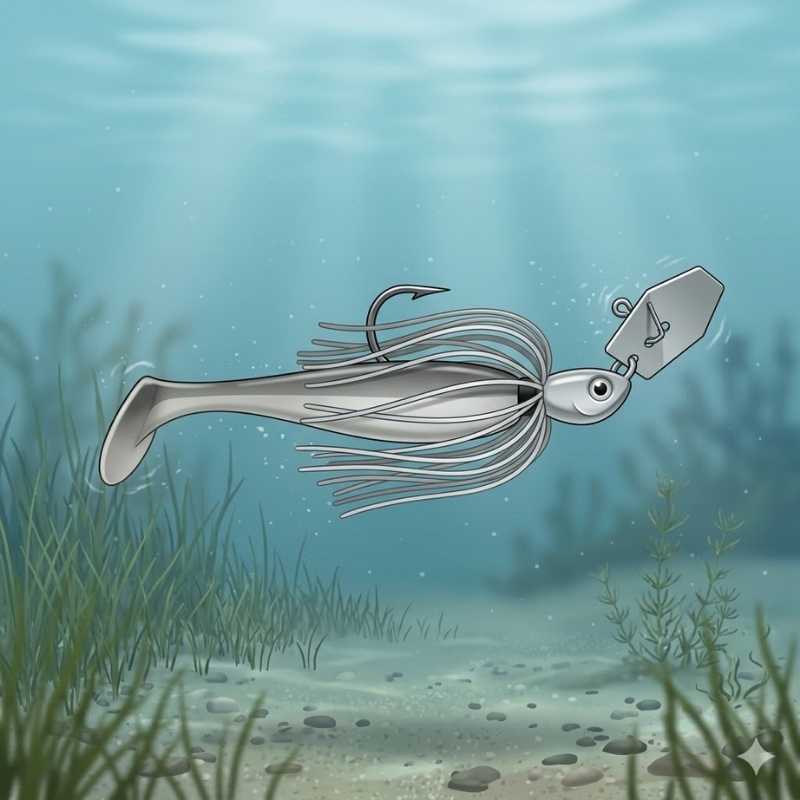
Z-Man JackHammer ChatterBait
The benchmark bladed jig — premium hardware and perfect vibration.
Stained water, wind, scattered grass — moderate-paced reaction bait.
As an Amazon Associate I earn from qualifying purchases.
Alternative Options
- Strike King Thunder Cricket →Alternative
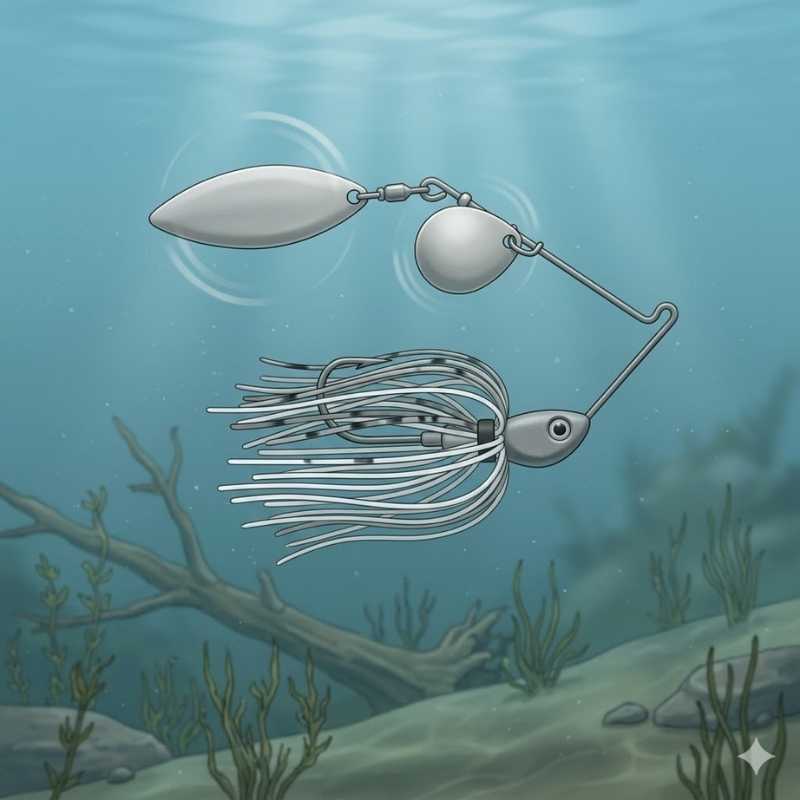
War Eagle Spinnerbait
Classic Colorado/willow combo for windy banks and stained water.
Windy banks and stained water — burn it parallel to cover.
As an Amazon Associate I earn from qualifying purchases.
Alternative Options
- Luck E Strike Legends Spinner Bait →Alternative
Bass want to chase and eat. Speed and noise out-produce subtle presentations in this window — bigger blades, louder rattles, faster retrieves. Topwater becomes a serious option in summer pre-storms — see the summer topwater guide.
Lure selection logic
Pre-storm decision tree:
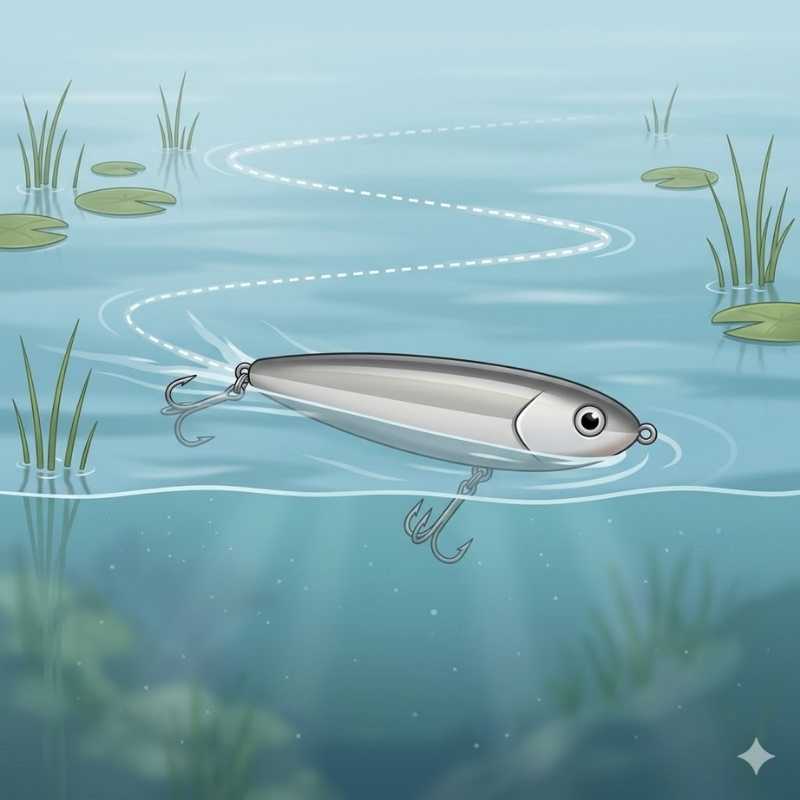
- Visible schooling activity or bait flicking the surface: Walking topwater or lipless crank.
- Windblown bank with stained water: Big-bladed spinnerbait or chatterbait.
- Heavy grass with rising water: Lipless crank yo-yo'd through the canopy.
- Open flats away from cover: Squarebill or lipless burned across the flat.
The conditions-first framework matches the broader lure selection guide.
Where to fish
Bass push shallower and roam more aggressively as the front approaches. Fish the same banks you'd fish on a windy or overcast day, but expect strikes farther from cover than normal. Points and flats with bait often outproduce traditional shade structure during the pre-storm window. The overcast days guide covers the cloud-cover side, and the windy conditions guide covers the wind-side compounding effect.
Water clarity adjustments
- Clear water: Walking topwater and natural-color spinnerbaits still produce, but downsize compared to stained water.
- Stained water: Best pre-storm conditions of all. Loud chatterbaits, big lipless, chartreuse-white spinnerbaits.
- Muddy water: Pre-storm + muddy is a heavy black/blue bite. Cross-reference the muddy water guide.
Seasonal considerations
- Spring pre-storms: Often the most explosive of the year. Pre-spawn bass already feeding hard get an additional pressure-drop trigger. Combine with the pre-spawn lure rotation.
- Summer pre-storms: Reset a tough mid-summer bite. Schooling fish boil more aggressively; topwater windows extend.
- Fall pre-storms: Compound with shad migration. Pre-storm + shad = the best window of fall. See the fall bait guide.
- Winter pre-storms: Real but compressed. A 2-hour bite in 45° water can produce when nothing else has worked all week. The winter lures guide covers the slow side of the same window.
The year-round pattern progression lives in the seasonal bass patterns pillar.
Retrieve adjustments
- Burn moving baits. Bass commit fast — they have to.
- Make repeated casts to the same target. Active fish call others in.
- Keep the topwater rod rigged. Even midday topwater can produce in pre-storm low light.
The shutdown moment
The pre-storm bite ends sharply, usually within 30 minutes of the first thunder or heavy raindrops. Once the storm hits, the pressure stabilizes and bass slide tight to cover. Get off the water before lightning starts — the bite is good, but no fish is worth the risk.
Real-world application
It's a July afternoon, 92° air, surface temp 86°. Radar shows a strong line of thunderstorms 45 miles west, moving east at 25 mph — landfall in roughly 90 minutes. Barometer has started dropping. Wind is building from the southwest.
Drop everything finesse and grab the reaction-bait rods. Run to the largest main-lake point on the western (windward) side of the lake. Start with a 3/4-oz chrome lipless crank burned parallel to the point. Bait will be visibly disoriented on the surface; bass will be roaming the point chasing it. Make repeated casts to the same stretch — when one fish fires, others usually follow. As the storm gets closer (30–45 minutes out), the wind will gust harder and pressure will drop faster. Switch to a 1/2-oz double-Colorado spinnerbait in chartreuse-white and work it slower through the same water — the biggest fish of the day usually comes in the last 20 minutes of the window. The instant you hear thunder or see lightning within 10 miles, leave. Don't try to push the last 10 minutes.
What most anglers get wrong
- Hiding from approaching weather instead of fishing it.
- Fishing finesse during the most reaction-bait friendly window of the day.
- Underestimating how quickly the bite shuts off once the storm arrives.
- Staying out too long. The transition from "amazing bite" to "lightning danger" can take 15 minutes.
What experienced anglers notice
Most of the time, the biggest fish of the day in a pre-storm window comes on a fast reaction bait near deep-water access. The exception is the rare storm that builds for several hours without breaking — extended pressure drops can create an all-day feeding window. After the storm passes, switch gears entirely and read the cold front lures guide and the post-front rotation.