What high pressure does to bass — the biology
A rising barometer increases the pressure on a bass's swim bladder. Fish feel heavier, less buoyant, and less willing to move vertically. They tighten to cover and drop slightly deeper, and the strike window collapses from a few seconds to a fraction of a second. The full mechanism lives in the bass behavior pillar guide, and the broader weather framework is in the weather pillar guide.
The bluebird sky that accompanies high pressure compounds the problem. Bright overhead light pushes bass further into shade, and the lack of cloud cover means no extended feeding window. The bluebird sky guide covers the visual side of the same condition.
Bass positioning breakdown
High-pressure fish compress in three directions at once:
- Vertical cover compression: Bass slide off horizontal cover (flats, points) and onto vertical structure (dock posts, standing timber, brush). See the laydowns guide.
- Depth drop: Whatever depth bass were holding pre-front, they drop 3–5 feet. Summer bass that were on top of an 18-foot hump are now on the deep edge at 22.
- Shade compression: The shaded side of any cover holds more fish than the sunny side. The shade lines guide covers the angle work.
If you contrast this with the stable weather positioning guide, you'll see the same fish spread back out into predictable patterns after 2–3 days of stable pressure.
The finesse rotation
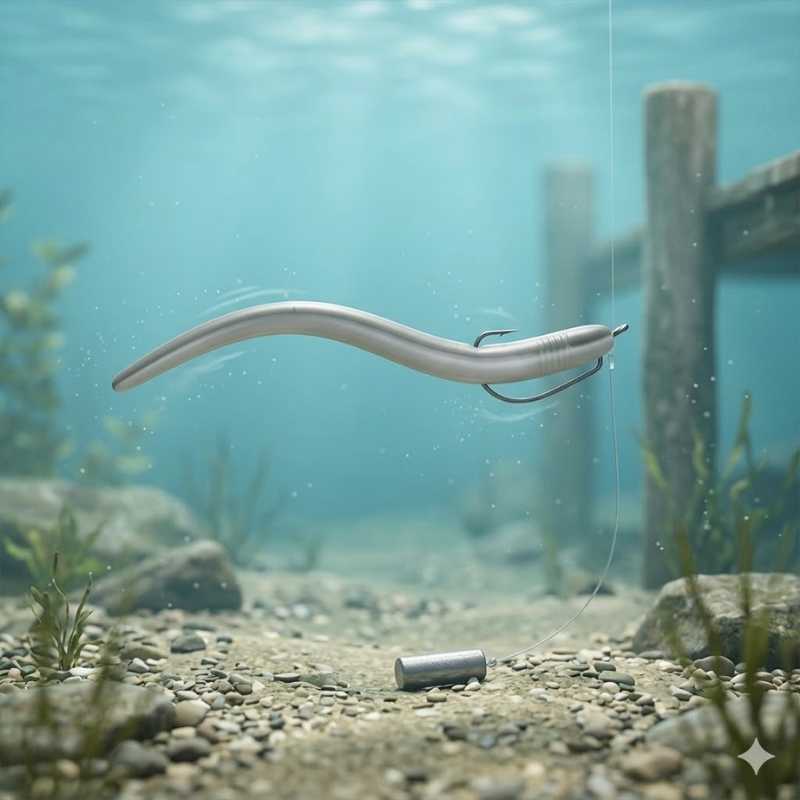
Roboworm Straight Tail
Industry-standard dropshot worm — subtle and proven.
Pressured or deep clear water — vertical shake on rock with a slim worm.
As an Amazon Associate I earn from qualifying purchases.
Alternative Options
- Berkley Bottom Hopper →Alternative
- Berkley MaxScent Flatworm →Budget
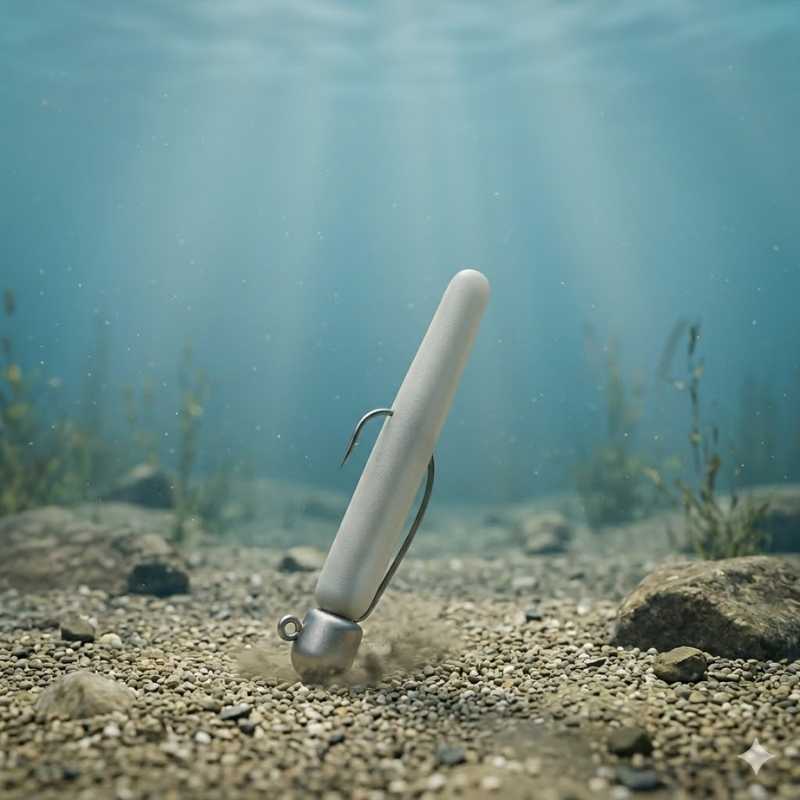
Z-Man Finesse TRD
The bait that defined the Ned rig — bites when nothing else does.
Tough bite, pressured fish — slow drag on hard bottom.
As an Amazon Associate I earn from qualifying purchases.
Alternative Options
- Yamamoto Ned Senko →Alternative
- Strike King Ned Ocho →Budget
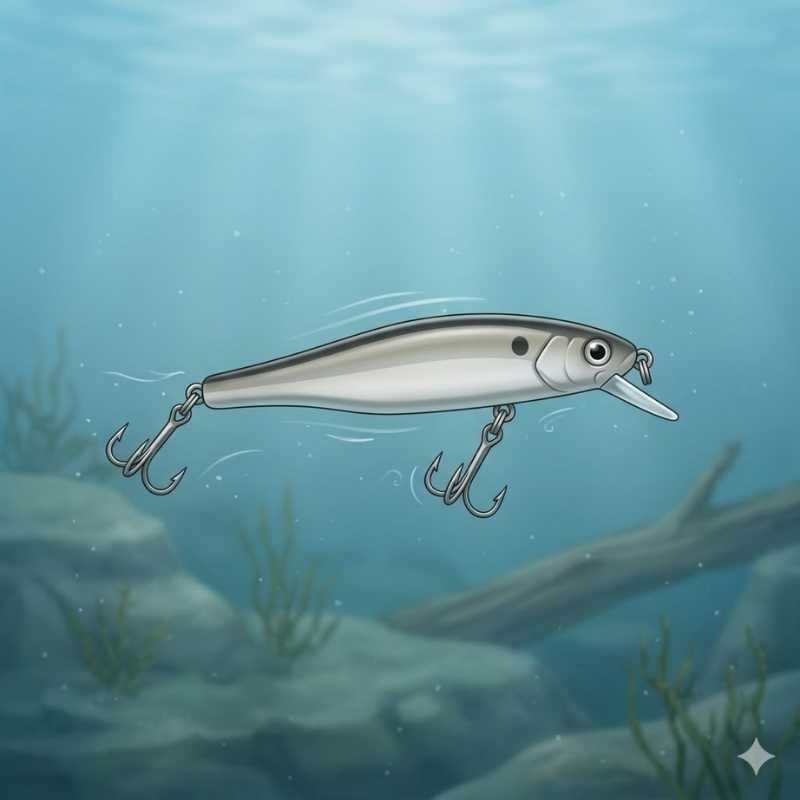
Megabass Vision 110
Industry-standard suspending jerkbait for cold-water bass.
Cold, clear water — long pauses near rock and points.
As an Amazon Associate I earn from qualifying purchases.
Alternative Options
- Rapala Shadow Rap →Alternative
For more on jerkbait pause length in high pressure, see the jerkbaits deep dive.
Lure selection logic
High-pressure decision tree:
- Fish visible on electronics suspended off cover: Dropshot directly on them, minimal shake.
- Vertical cover holding shallow fish: Pitch a Ned rig or finesse jig to the base of the cover and dead-stick.
- Cold-water or pre-spawn high pressure: Suspending jerkbait with 15-second pauses. Cross-reference the post-front rotation.
- Windward bank with stained water: The one place a reaction bait still works. See windy conditions.
This downsize-and-slow framework is the high-pressure expression of the broader lure selection guide.
Where to find the fish
- Vertical cover — dock posts, standing timber, brushpiles. The biggest fish are usually on the shaded side.
- Deeper edges of summer structure — humps and points, but 5 feet deeper than normal. The points guide covers depth bands.
- Inside grass lines — the cover edge closest to the bank, not the outside.
- Boat lift cables, dock posts, and bridge columns — anywhere bass can sit vertical against something solid.
Water clarity adjustments
- Clear water: Worst combination with high pressure. Drop to 6–8 lb fluorocarbon, smallest natural-color finesse baits, longest pauses. See the clear water lures guide.
- Stained water: Significantly more forgiving — bass don't get the same overhead light penalty. A finesse jig in green pumpkin or black/blue still produces.
- Muddy water: High pressure barely affects bass in chocolate water. Vibration baits still work. Cross-reference the muddy water guide.
Seasonal considerations
- Spring high pressure (post-front): Stops the pre-spawn migration cold. Bass slide back to staging structure. Read the pre-spawn guide for the retreat pattern.
- Summer high pressure: Standard summer condition. Deep finesse and dock shade. The midday summer guide covers the deep-side pattern.
- Fall high pressure: Slows but rarely stops the shad chase. Bass still feed at dawn and dusk. See fall bait guide.
- Winter high pressure: Bass are already in slow mode — high pressure just extends an already-extended pause. Smallest baits, longest dead-sticks. See winter lures.
The year-round arc lives in the seasonal bass patterns pillar.
Retrieve adjustments
- Add 5–10 seconds to every pause. A suspending jerkbait hanging for 15 seconds in high pressure isn't too long.
- Drag the dropshot. Long pauses with minimal shake. Let the bait sit.
- Cast tight and stay quiet. The strike zone is small — give the bait every chance to fall in it.
Time-of-day matters more
High pressure narrows the feeding window. The first 90 minutes of light and the last 45 minutes before dark produce a disproportionate share of the day's bites. Plan around the bite window instead of fighting through the midday dead zone.
Real-world application
It's a summer Saturday after a cold front blew through Thursday night. Barometer is at 30.40 inHg and steady. Sky is cloudless, wind is 3–5 mph, surface temp dropped 4° on Friday and held. Yesterday everyone struggled. Today is the second day after the front.
First two hours: top of a main-lake point, drop-shot with a 4-inch finesse worm in green pumpkin. Bass that were on top of the point Wednesday are now 4 feet deeper on the outside edge. Use electronics to find suspended fish and drop directly on them. Mid-morning: as sun climbs, move into the dock-lined creek arm. Skip a 4-inch wacky senko under every dock and pitch a 1/4-oz finesse jig to brushpiles visible on graph beside the docks. Make 4–6 casts per dock and dead-stick the jig for 10 seconds on the bottom. Midday window: idle to the deepest brush pile on the lake — bridge pilings, river-channel brush, anything vertical with deep water access — and either spoon or dropshot vertically. Last hour of light: position on a windward shoreline if any breeze has built. The wind chop softens the high-pressure effect just enough that a slow-roll spinnerbait or chatterbait can pull a couple of bites that nothing else has produced all day. By day three the pressure usually starts to drop and the lake opens back up.
What most anglers get wrong
- Continuing to throw reaction baits because they worked before the pressure climbed.
- Fishing the same spots from the same angle. A different boat position often draws bites from the same cover.
- Giving up at midday. High-pressure fish still eat — just less often and on smaller presentations.
- Ignoring windward banks. Wind under high pressure is the one variable that consistently opens the bite back up.
What experienced anglers notice
Most of the time, high-pressure days reward downsizing and slowing down. The exception is a windblown bank — wind under high pressure mitigates some of the bluebird effect, and reaction baits can still produce on the windward side. For that pattern, see the windy conditions rotation.
After the second or third day of stable high pressure, fish adjust and the bite slowly improves. By day three or four, bass have settled into reliable positions and the lake fishes predictably — just at a slower pace than a falling-pressure day. Then the cycle starts over with the next pre-storm window.