Why stability builds patterns
Bass are creatures of efficiency. Every move costs energy, and every position they hold is a balance of access to bait, oxygen, light, and current. When conditions stop changing, the math stops changing — and bass commit to the position that pays the best return. The weather bass fishing guide covers the broader framework that stability sits inside.
After a stable weather stretch, the lake essentially shows you its hand. The same docks, points, and laydowns produce repeatedly, and the bite window shifts in by an hour or two only when the weather flips — usually a falling barometer ahead of an incoming front. Until that change arrives, expect classic sunny-day positioning if the sky stays clear and tight feeding windows if a high-pressure system is parked overhead.
The first stable day vs. the third
The first day after a front is still recovery. Fish are repositioning, not yet committed. The third day is the payoff: bass have settled, schooled, and chosen their cover. The bite window is longer and more predictable, and even average anglers can read the pattern.
Where stable-weather bass hold
- Primary points with access to deep water and bait nearby.
- Permanent shade lines — dock corners, bridge shadows, overhanging trees.
- Grass edges on the windward side when wind direction is consistent.
- Schooling spots in summer — humps, saddles, and channel swings.
Lures for the locked-in pattern
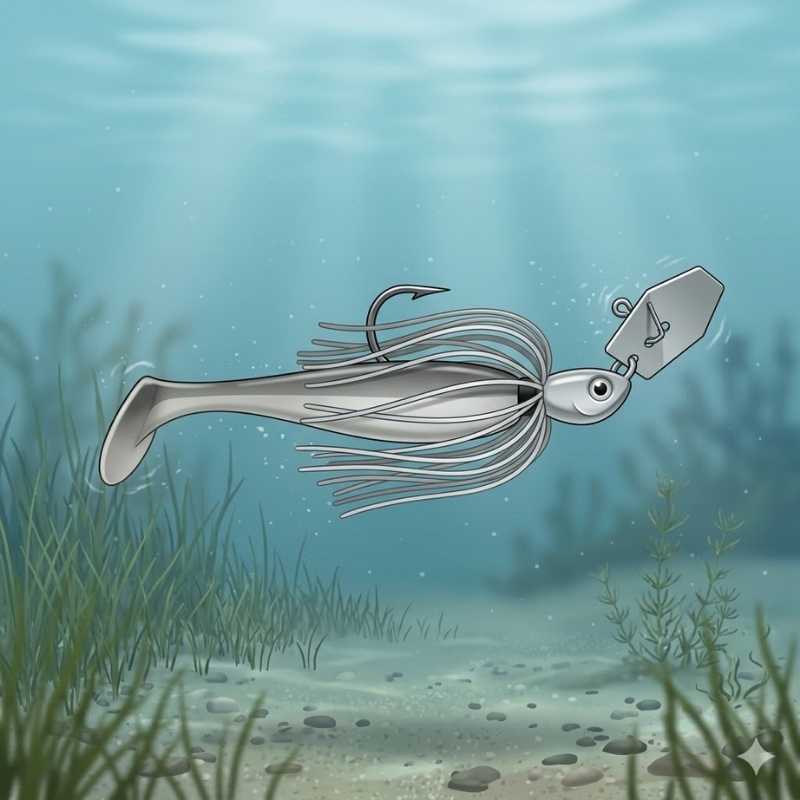
Strike King Hack Attack Swim Jig
Heavy hook and clean swim through grass.
Grass and docks — clean swim, mimic a cruising bluegill.
As an Amazon Associate I earn from qualifying purchases.
Alternative Options
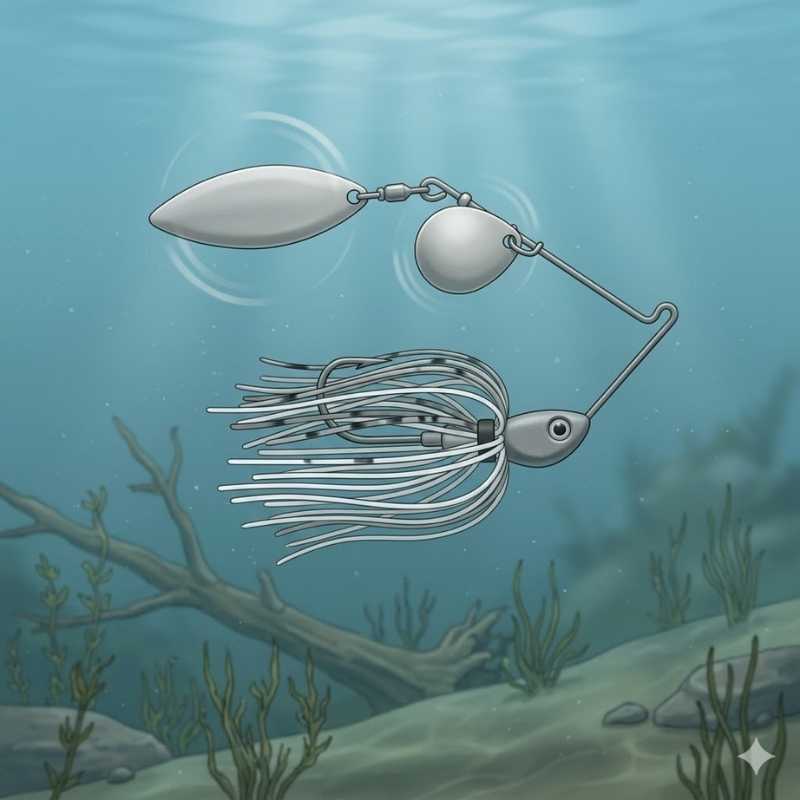
- Berkley Swim Jig →Alternative
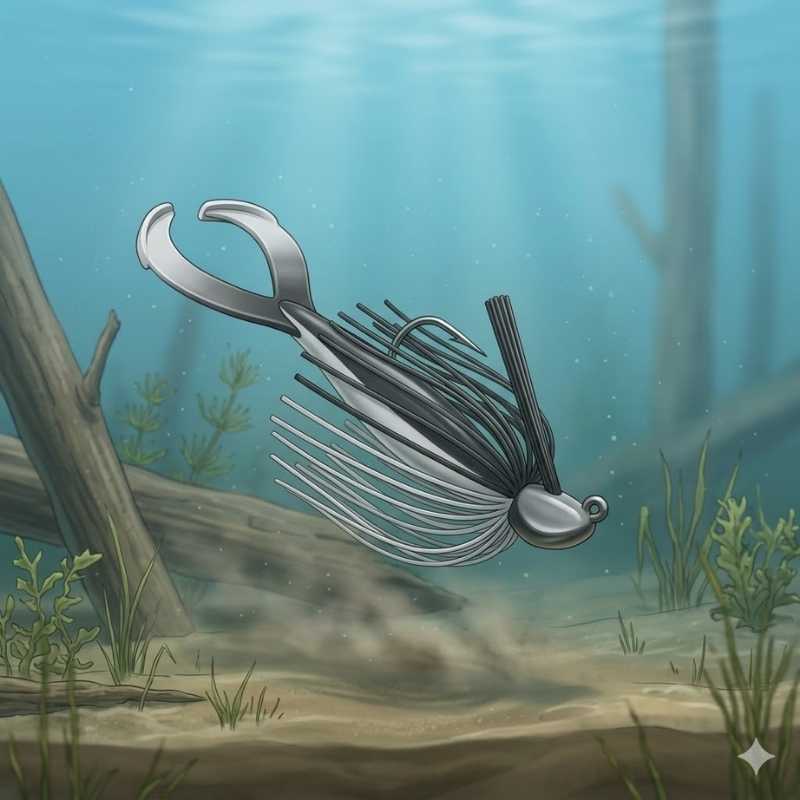
Yamamoto Senko
Dead-stick fall that bass simply can't refuse.
Heavy cover — pitch in, let it sink on slack line.
As an Amazon Associate I earn from qualifying purchases.
Alternative Options
- Zoom Trick Worm →Alternative
- Strike King Rage Craw →Budget
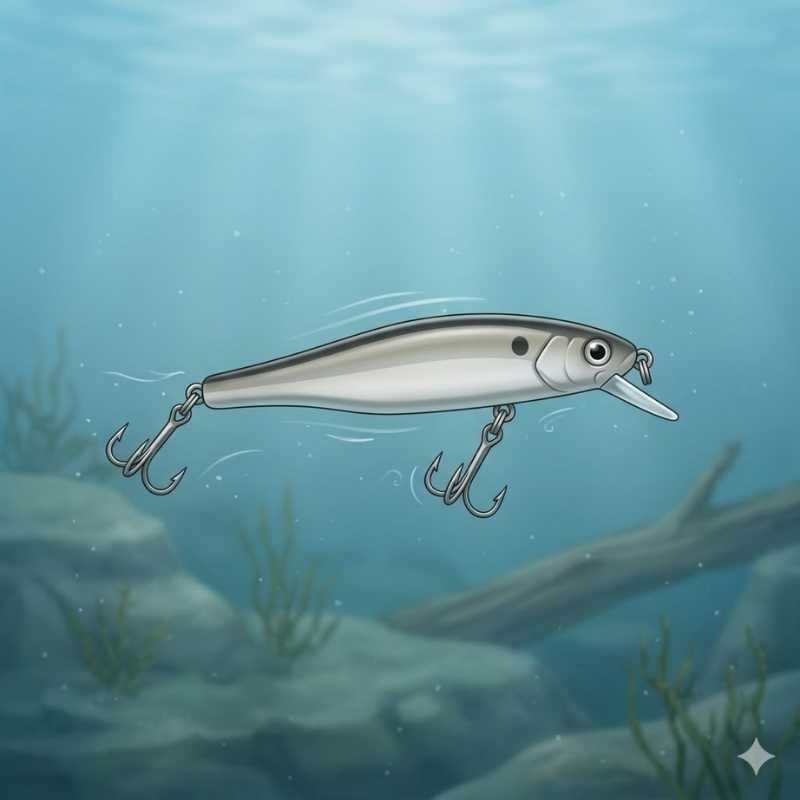
Heddon Super Spook
The benchmark walking topwater — long casts and big bites.
Low-light, calm surface — walk the dog over open water.
As an Amazon Associate I earn from qualifying purchases.
Alternative Options
- River2Sea Whopper Plopper →Alternative
- Berkley Choppo →Budget
How to fish a stable stretch
- Start at the bite-window time. Stable weather produces tight feeding windows. Miss the first 90 minutes and you miss half the day's fish.
- Repeat productive cover. A spot that produced yesterday will produce today if nothing in the weather changed.
- Don't over-search. Most anglers cover too much water in stable weather and miss the obvious replays.
What experienced anglers notice
After a stable stretch, the same fish will be on the same dock post three days in a row. Mark waypoints aggressively during this window — the data is more reliable than anything you'll log in transitional weather.
Most of the time, the bite ends with the first change in conditions. A front, a wind shift, or a 5-degree temperature swing resets the lake, and the pattern from the stable stretch becomes useless overnight.
When stability becomes a trap
Long stable stretches in summer create thermal stratification and oxygen issues. After 5–7 days of no wind in 85°F+ heat, the bite slows even though the weather hasn't changed. A breeze or a brief rain re-oxygenates the surface and the pattern reignites.
For the wind-shift recovery, see how wind affects bass positioning.