What a Tropical Storm Does To a Reservoir
The fingerprint is unmistakable: water levels jump 1–6 feet in two days, every creek runs brown and fast, the lake surface fills with floating wood and grass, and the main-lake basin slowly turns over as cold runoff sinks under warmer surface water. Dissolved oxygen surges from the mixing and aeration. Baitfish get pushed around violently. Bass respond by repositioning to wherever current, food, and tolerable clarity converge — and that's almost never where they were before the storm. The broader framework lives in our bass fishing after heavy rain guide, and the rising-water positioning specifics in rising water bass fishing.
Runoff and Inflow Zones
The single highest-percentage water on the lake after a tropical storm is the inflow zone of major creeks. Runoff brings food (worms, insects, terrestrial bugs, displaced baitfish), oxygen, and current. Bass stack on the first piece of structure inside the inflow seam where they can sit out of the heaviest current and ambush whatever washes by.
- Creek mouths where stained creek water meets clearer main-lake water.
- The upper third of major creek arms where the new inflow is concentrated.
- Culverts, drainpipes, and small feeder creek mouths on points and banks.
- Flooded grass and bushes in the back of creeks now under 2–4 feet of water.
Current and Current Seams
Tropical-storm runoff plus dam generation can push current through structure that's normally dead. Bass position the same way they do in a river — on the slack-water side of an obstruction, facing the current, intercepting food that drifts by. Look for eddies behind points, current breaks below bridges, and seams where moving water meets still water. The mechanics are identical to dam-release scenarios — read our bass current seams guide and the hydroelectric current bass fishing playbook.
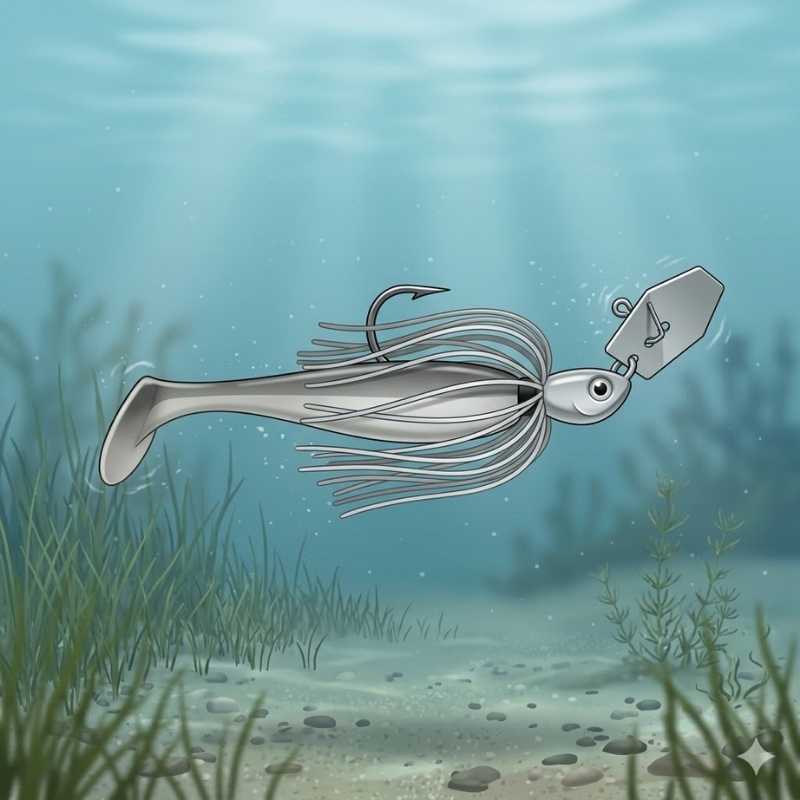
Z-Man JackHammer ChatterBait
The benchmark bladed jig — premium hardware and perfect vibration.
Stained water, wind, scattered grass — moderate-paced reaction bait.
As an Amazon Associate I earn from qualifying purchases.
Alternative Options
- Strike King Thunder Cricket →Alternative
Debris and Floating Cover
Floating mats of wood, grass, and leaves are post-storm gold. They provide three things bass want at once: shade from a now-bright sky, a current break, and a ceiling that traps baitfish underneath. Pitch a jig directly into the densest mats, skip a wacky senko into shaded edges, or punch a heavy Texas rig through the thickest cover. The biggest fish in the system often park under floating logs jammed against laydowns and bridge pilings.
Oxygenation Surge
The violent mixing during a tropical storm drives oxygen into water that was anoxic the week before. Deep basin areas, the bottoms of long coves, and water beneath the pre-storm thermocline all get aerated. Bass that were locked into a narrow summer band suddenly have the whole water column available to them, and they spread out. This is why post-storm fishing rewards covering water — fish are everywhere, but at lower density than during stable conditions.
Water Color Gradients
The most productive water on the lake during post-storm conditions is the seam where dirty creek runoff meets cleaner main-lake water. That gradient line — visible from the surface as a sharp color change — concentrates baitfish, gives bass a clarity edge to ambush from, and holds drifting food. Fish the cleaner side of the seam with reaction baits in the 12–24 inch visibility window. The full clarity framework lives in our water clarity and lure selection guide.
Wind After the Storm
The post-tropical wind pattern is usually steady northeasterly at 10–18 mph for several days. This stacks shad on south-facing and west-facing banks, creates additional oxygen mixing, and sets up the windward-bank pattern even stronger than usual. Combine wind-blown shad with creek-mouth current and you have the highest-percentage water on the entire lake. See wind-blown banks and bass positioning.
Best Lures
Stained water and current call for vibration, profile, and color contrast.
- Chatterbaits in black/blue, white/chartreuse, or black/red — slow-rolled through current seams.
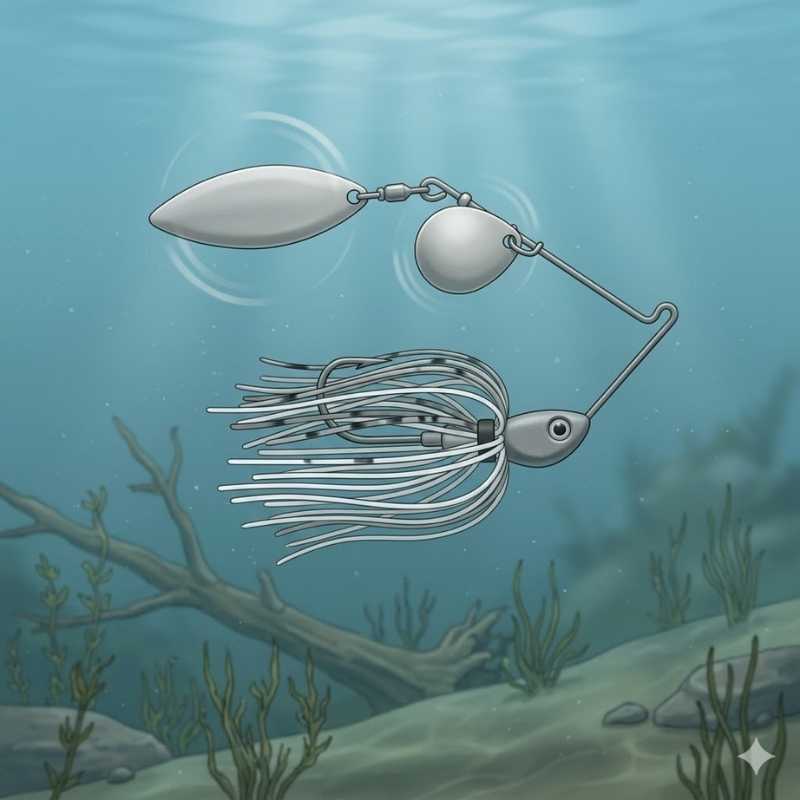
- Spinnerbaits with double Colorado blades for maximum thump in dirty water.
- Squarebill crankbaits deflected off shallow cover in 2–6 feet.
- Lipless crankbaits ripped through flooded grass on the bank.
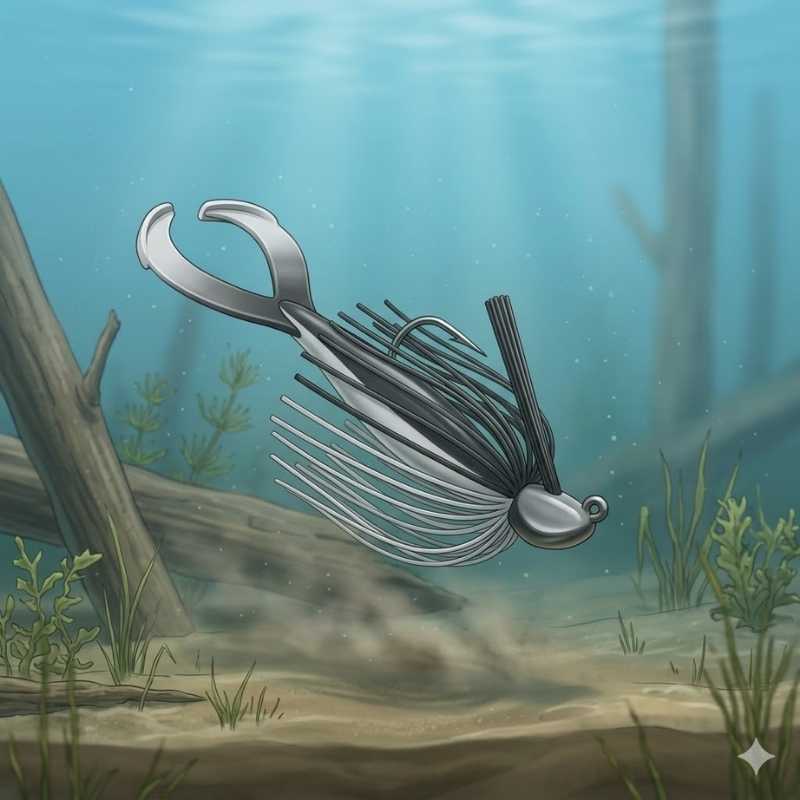
- Big jigs (3/8–1/2 oz) in black/blue pitched to flooded cover and floating mats.
- Texas-rigged creature baits punched into the thickest debris.
War Eagle Spinnerbait
Classic Colorado/willow combo for windy banks and stained water.
Windy banks and stained water — burn it parallel to cover.
As an Amazon Associate I earn from qualifying purchases.
Alternative Options
- Luck E Strike Legends Spinner Bait →Alternative
Strike King KVD 1.5
Deflects off cover like nothing else — the go-to shallow crank.
Shallow wood and rock — make it deflect off cover.
As an Amazon Associate I earn from qualifying purchases.
Alternative Options
- Lucky Craft LC 1.5 →Alternative
Dirty Jigs Compact Pitchin' Jig
Premium skirt and head shape for pitching tight cover.
Pitch to docks, laydowns, and isolated cover for big fish.
As an Amazon Associate I earn from qualifying purchases.
Alternative Options
- Strike King Structure Jig →Alternative
- Booyah Boo Jig →Budget
Common Mistakes
- Fishing the muddiest water you can find. Under 6 inches of visibility shuts bass down — find the gradient.
- Skipping the upper creek arms. That's where the inflow concentrates and the food is dumping in.
- Light line and finesse baits. Wrong tool for the conditions — bass want vibration and won't see a dropshot in 8 inches of visibility.
- Ignoring floating debris. Mats are primary cover, not an obstacle to fish around.
- Day 1 fishing. Often physically dangerous and water is at peak muddiness. Days 2–6 are the window.
Related Patterns
Post-tropical conditions overlap with several existing patterns — the rain and runoff playbook, the current seam logic, the wind-driven baitfish chain, and the rising water flooded-cover game. For the broader picture see our weather and bass fishing guide.