Why Bluegill Matter
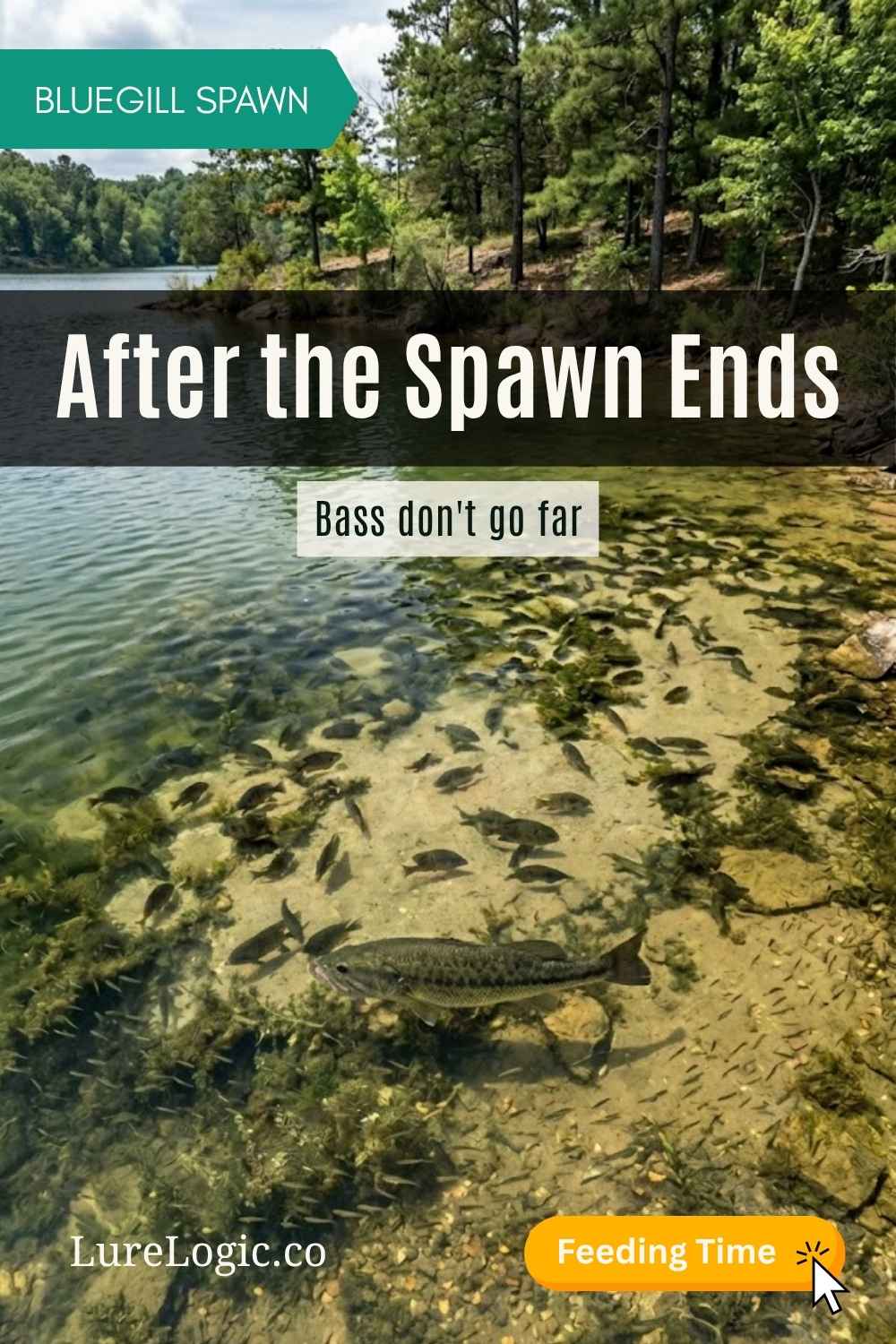
Bluegill check every box for a hungry, recovering post-spawn bass: high calorie content, slow swim speed, predictable spawning behavior, and shallow water that's easy to hunt. Where a shad school requires a high-effort chase, a bluegill colony is a stationary buffet. For the deeper biology of why post-spawn bass key on big, high-calorie meals, start with our post-spawn bass fishing guide and the master forage guide.
This pattern also overlaps with the earlier bluegill positioning piece — our bluegill spawn bass positioning guide covers the first wave. The article you're reading now zooms in on what happens after the bass spawn, when bass have recovered enough to start hunting again and bluegill colonies are firing in succession.
Bluegill Spawn Timeline
- Wave 1: first full moon after water hits 67°F. Usually mid-to-late May.
- Wave 2: next full moon — fresh fish move in as the first wave finishes.
- Wave 3-6: continue monthly through August on most Southern lakes.
- Cooldown: stops when surface temps push past 85°F or major weather instability arrives.
Each wave gives bass a 4- to 7-day feeding window. Stable weather makes the wave fire harder; a cold front can pause one entirely, which ties directly to our barometric pressure guide.
Bass Ambush Locations
Bass don't usually sit inside the bluegill colony. They stage on the edge — at the first piece of cover, depth change, or shade line adjacent to the beds. Common setups:
- A laydown five feet off the bedding flat — see our laydowns guide for ambush angles.
- The outside grass edge bordering a pea-gravel flat — covered in bass fishing around grass lines.
- Dock shade lines adjacent to spawning pockets — our shade lines guide explains the micro-positioning.
- The deeper ends of pockets where bluegill funnel back to safety after spawning.
Bedding Area Transitions
Mature bluegill don't stay on the beds full-time even during a peak wave. They cycle: feed in slightly deeper water, drop eggs and sperm on the bed, retreat to cover, repeat. Bass exploit the transition routes between feeding and bedding zones. If you only fish directly over the beds, you'll catch a few small males. The 5+ pounders are on the route — a laydown, a stump, or a grass clump 10 to 20 feet off the colony.
Best Lures
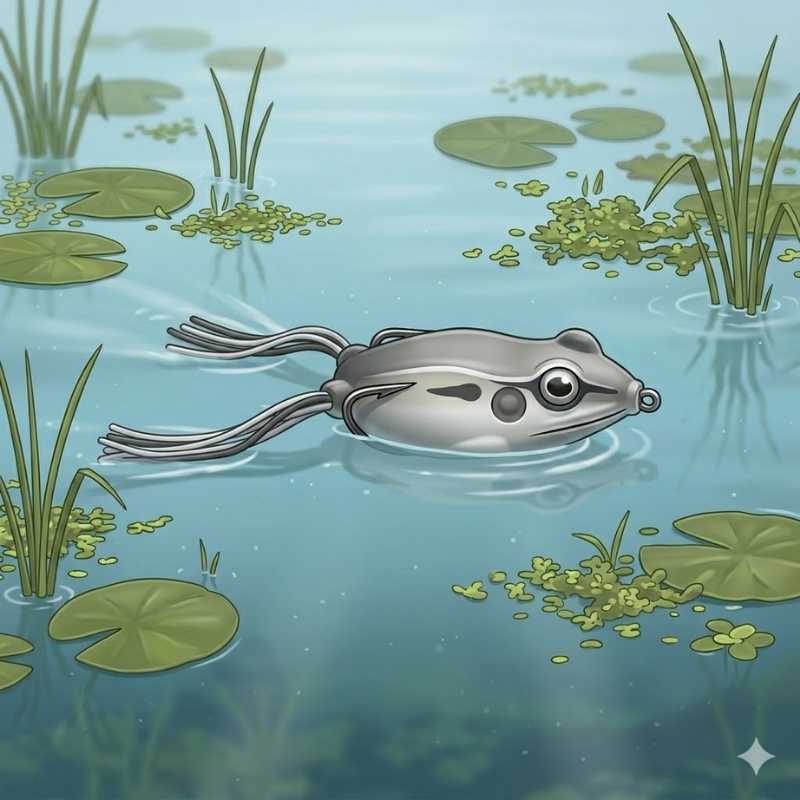
SPRO Bronzeye Frog 65
Walks easily, casts a mile, and clears the pads.
Matted vegetation and lily pads — walk it slowly across openings.
As an Amazon Associate I earn from qualifying purchases.
Alternative Options
- LiveTarget Hollow Body Frog →Alternative
- Booyah Pad Crasher →Budget
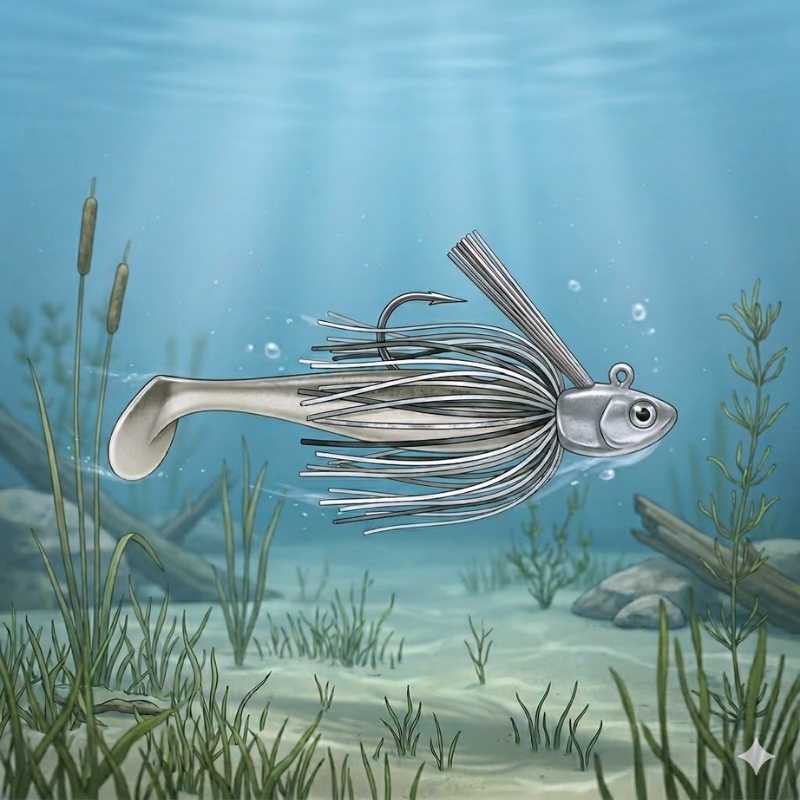
Strike King Hack Attack Swim Jig
Heavy hook and clean swim through grass.
Grass and docks — clean swim, mimic a cruising bluegill.
As an Amazon Associate I earn from qualifying purchases.
Alternative Options
- Berkley Swim Jig →Alternative
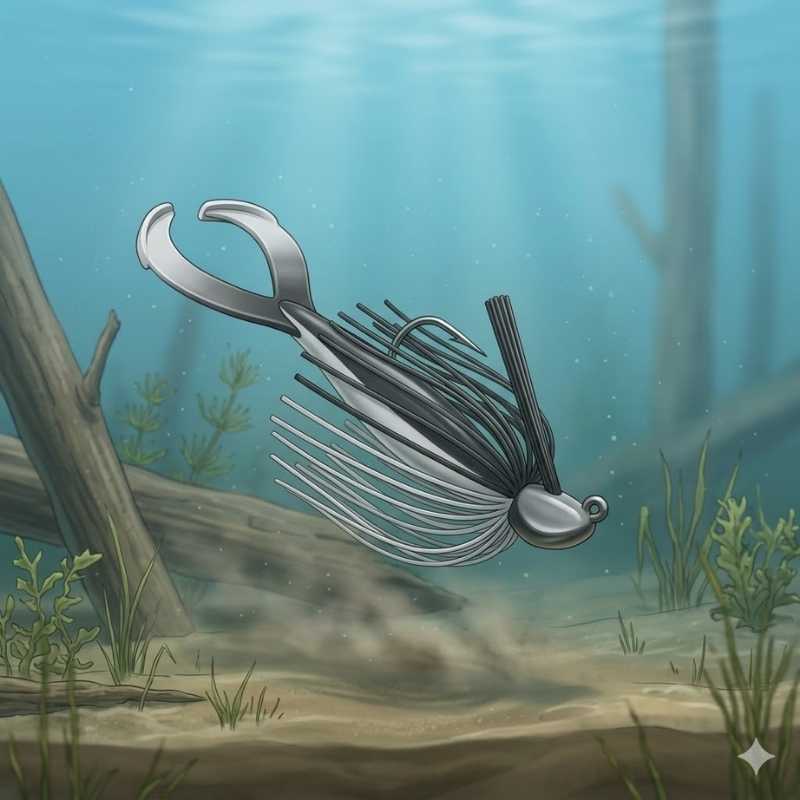
Yamamoto Senko
Dead-stick fall that bass simply can't refuse.
Heavy cover — pitch in, let it sink on slack line.
As an Amazon Associate I earn from qualifying purchases.
Alternative Options
- Zoom Trick Worm →Alternative
- Strike King Rage Craw →Budget
Color is the single most important variable in this pattern. Match the bluegill: dark green back, blue cheek, orange belly. Skip generic shad colors — bass keying on bluegill are tuned to that specific silhouette and color combo. A wacky-rigged stickbait in green pumpkin with an orange tail dipped is often unbeatable for skipping under docks adjacent to beds.
Weather Effects
Stable, warm, light-wind conditions are ideal — they keep bluegill on the beds. A passing front pushes bluegill off and shuts the bite. The reverse is also true: the first calm morning after a front clears can fire a vicious feed as both bluegill and bass return to position. Pair this with our stable weather positioning guide.
Shade and Light Penetration
Bluegill bed in the open but feed and rest under cover. In bright sun, bass tuck under the nearest shade and intercept bluegill leaving the beds. In overcast conditions, bass roam more freely and you can cover water with a moving bait — context found in our overcast days guide.
Tactical Adjustments
- Use polarized lenses and idle slowly to spot beds before you fish them.
- Fish the edges first. The biggest bass are not over the beds — they're 10 feet off.
- Slow down. Bluegill-feeding bass want a bait that looks injured and easy to eat.
- Skip casts under docks and laydowns adjacent to colonies. Trophy bass live in the shade.
- Refresh your spots every full moon. New waves create new colonies a hundred yards away from the old ones.