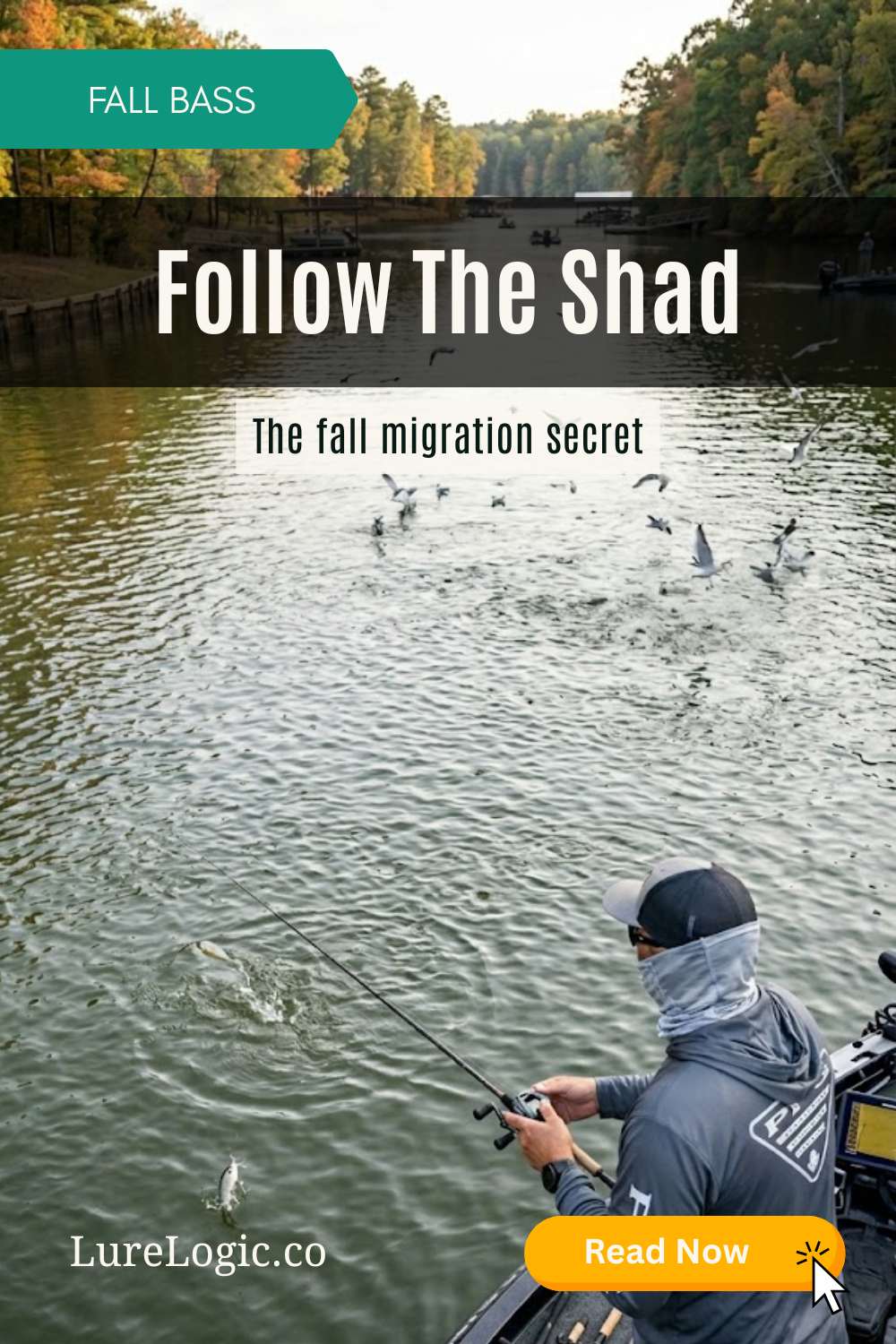
Why Shad Migrate in Fall
Shad don't migrate to escape the cold — they migrate to follow food. Cooling main-lake water slows plankton growth, while shallower creek water (still warmed by sun on dark bottom and protected from wind) sustains plankton blooms longer. Shad chase the plankton up the creeks, and the migration accelerates as the main lake cools faster than the protected creek arms. The mechanics fit the broader forage-driven framework in our how bass follow baitfish movement guide.
Migration Timing and Stages
The migration runs in three rough stages on most Southern and Mid-Atlantic reservoirs:
- Early fall (water in upper 60s): First waves leave the main lake. Bass stage on main-lake points and creek mouths to intercept.
- Mid fall (water in low 60s to upper 50s): The bulk of the migration moves into secondary points and channel swings inside the creeks. This is the peak window.
- Late fall (water in low 50s): Shad reach the back third of creeks. Bass follow into shallow flats and stay there until the first major cold snap.
For the full seasonal context see our fall bass fishing bait guide and the broader seasonal bass patterns guide.
Creek Migration Corridors
Migrating shad use the creek channel as a highway. Bass set up on the first ambush points inside that channel — secondary points where the channel swings close to the bank, the inside of bends, channel-edge brush piles, and the lips of creek-mouth flats. Pull up a topo, identify the channel route into the creek, and fish the structure within 30 feet of that channel line. Channel-related positioning details live in our creek channel bass positioning guide.
Wind Influence
Wind in fall is the accelerant. A 10–15 mph wind blowing into the back of a creek pushes plankton, shad, and bass deeper into the cove and concentrates them on the windward bank. Fall wind also tends to be cooler, which speeds the temperature drop that drives the migration in the first place. The first day after a wind shift onto the windward side of a creek is often the best day of the entire fall. Full breakdown in wind-blown banks and bass positioning and how wind pushes shad into ambush zones.
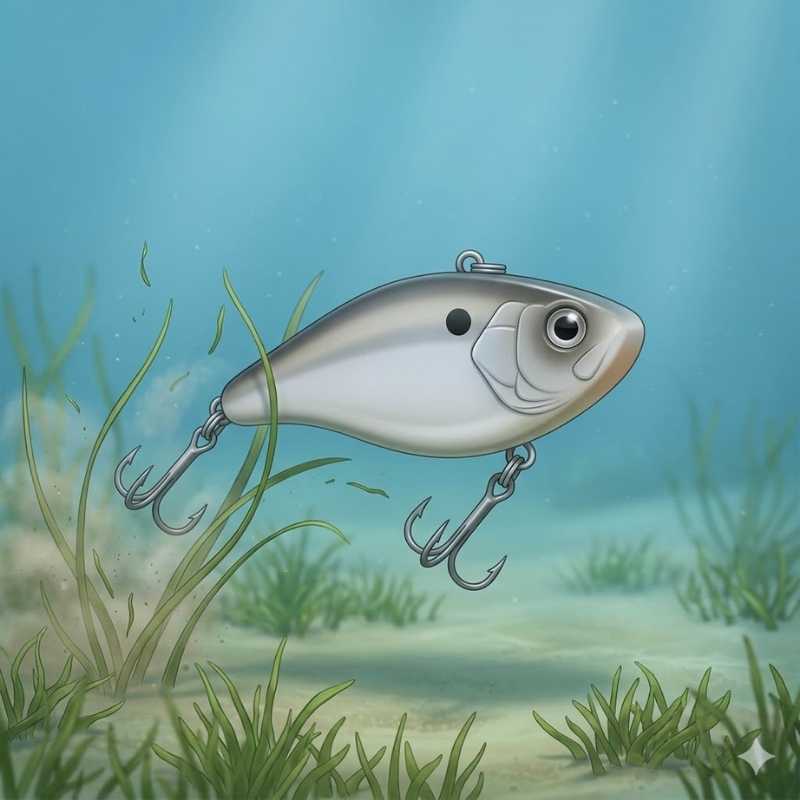
Strike King Red Eye Shad
Excellent flutter on the fall over grass and flats.
Grass flats and creek arms — yo-yo it through the tops.
As an Amazon Associate I earn from qualifying purchases.
Alternative Options
- Bill Lewis Rat-L-Trap →Alternative
Bird Activity
Birds are the single best real-time scout on the lake during fall. Gulls and terns cover huge water looking for surface-feeding shad. Herons and egrets stack on the banks where shad have pushed shallow. When you see birds working a specific cove, run there immediately — the migration is active and bass are underneath. A flock of gulls hovering and diving over a 100-yard stretch of bank is a guarantee of shad and a near-guarantee of bass.
Lure Matching
Match the size of the shad in the system — typically 2–4 inch threadfin in fall. Profile and action matter more than color (white, chrome, and pearl handle 90% of situations). The fall short list:
- Lipless crankbaits in 1/2 oz, yo-yo'd through bait in 6–12 feet.
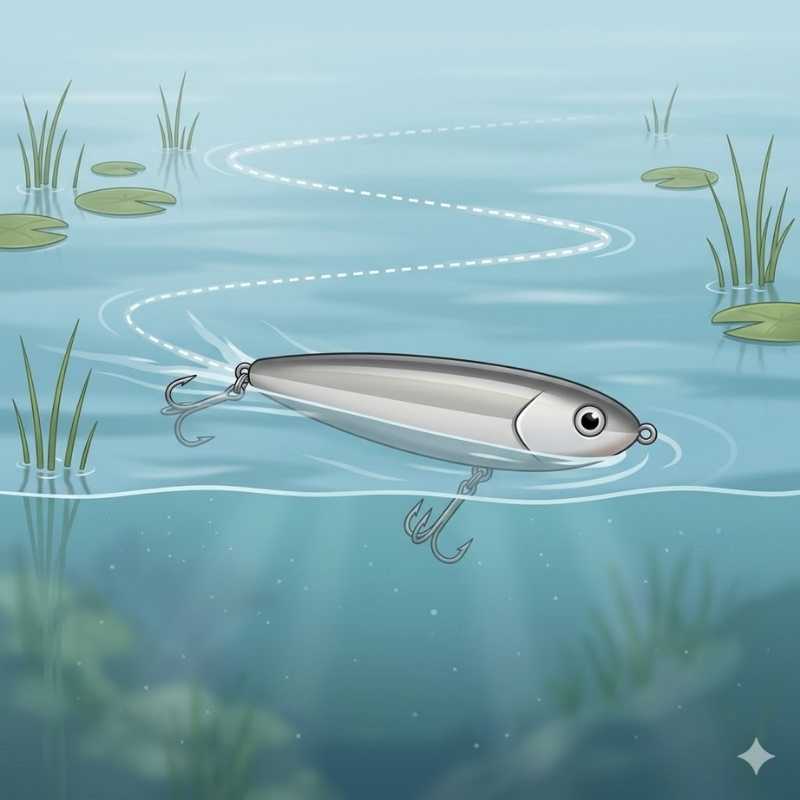
- Walking topwaters over shallow flats in the morning and evening.
- White spinnerbaits with double willow blades for active feeding fish on wind-blown banks.
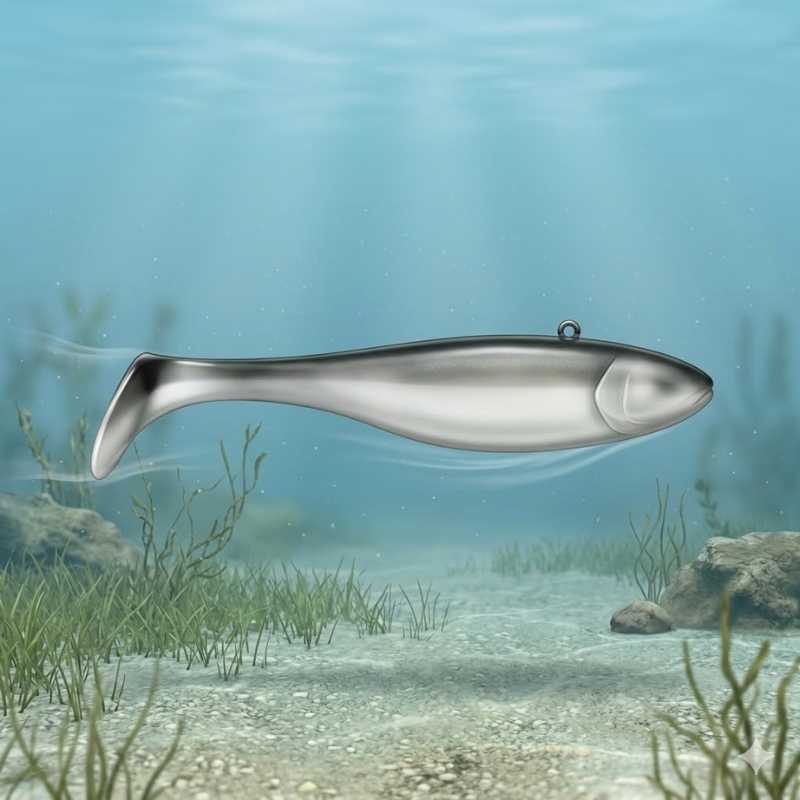
- Swimbaits (3.5–4.5 inch) on a 1/4 oz jighead, slow-rolled at the bait depth.
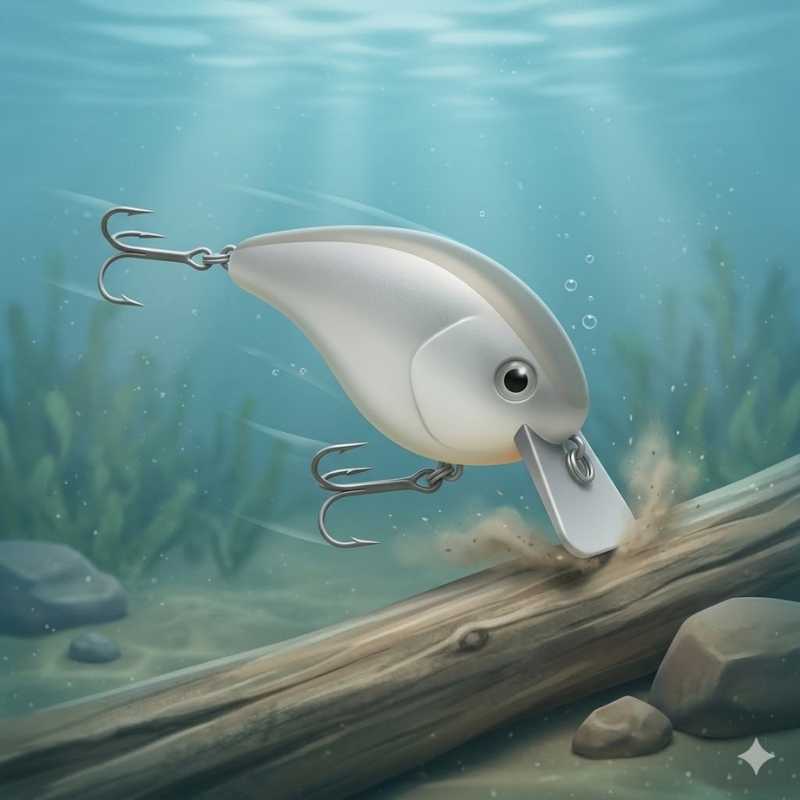
- Squarebill crankbaits deflected off shallow cover and channel-edge brush.
- Jerkbaits on long pauses once water drops into the upper 50s.
Keitech Swing Impact FAT
Best-in-class paddle-tail action for any swimbait rig.
Imitate shad — steady retrieve over points, flats, and drops.
As an Amazon Associate I earn from qualifying purchases.
Alternative Options
- Berkley PowerBait CullShad →Alternative
- Strike King Rage Swimmer →Budget
Megabass Vision 110
Industry-standard suspending jerkbait for cold-water bass.
Cold, clear water — long pauses near rock and points.
As an Amazon Associate I earn from qualifying purchases.
Alternative Options
- Rapala Shadow Rap →Alternative
Electronics and the Bait Layer
Idle the creek channel before you fish. Tight bait balls in 8–15 feet on channel swings tell you the migration is at that stage. Bait scattered shallow over flats with arches close behind says they've pushed up. Empty water on the main lake confirms the migration has moved on. The depth of the bait layer is the depth of your lure for the rest of the day.
Common Mistakes
- Fishing the main lake too long. By mid-October most of the population is inside the creeks.
- Ignoring birds. If gulls are working a cove three miles away, run to them.
- Over-thinking color. White and chrome cover the migration — natural shad colors beat bright patterns.
- Skipping wind. Calm banks during the migration are dead. Windward banks are stacked.
- Staying too deep. The bait is shallow by mid-fall — fish above 12 feet most of the day.
- Quitting too early in the day. Fall feeding windows extend much later than summer — the bite often peaks at midday on cool, overcast days.
What Comes Next
The fall migration eventually slows as water drops into the 40s and shad reach the backs of creeks. The pattern transitions into winter behavior — suspended shad balls, slower presentations, and eventually the winter die-off that triggers another major feeding cycle. See our winter shad die-off bass fishing guide for the next chapter, and shad spawn bass fishing for the spring counterpart that closes the annual cycle.