Why post-spawn is its own animal
Post-spawn is the only time of year when largemouth bass split into three distinct populations with three completely different behaviors at the same time. That's why a pattern that worked yesterday can produce zero bites today — you found a different group. Understanding which group you're targeting is the master skill for the next 3–5 weeks, and it ties directly back to the bass behavior pillar guide on recovery cycles. The broader seasonal arc lives in the seasonal bass patterns pillar.
Three groups of post-spawn bass — positioning breakdown
Post-spawn fish split into three loose groups, and each one wants a different approach:
- Fry guarders: Male bass staying with the fry around shallow cover, usually 1–3 feet of water against lily pads, brush, or dock posts. They strike out of protection, not hunger.
- Recovery fish: Females suspended off the first drop outside spawning pockets, 6–12 feet down on secondary points or main-lake brush. These are the toughest to pattern.
- Bluegill eaters: Bass setting up around bluegill spawning beds on hard-bottom flats. Most aggressive of the three groups for 7–10 days during each bream wave. The bluegill spawn positioning guide covers this in detail.
If you spend the morning blindly running bank cover, you'll catch fry guarders and call it a tough day. If you target each group with the right approach, post-spawn produces 30-fish numbers and quality bites consistently. The shade lines and laydowns breakdowns extend this to specific cover types.
The post-spawn lure rotation
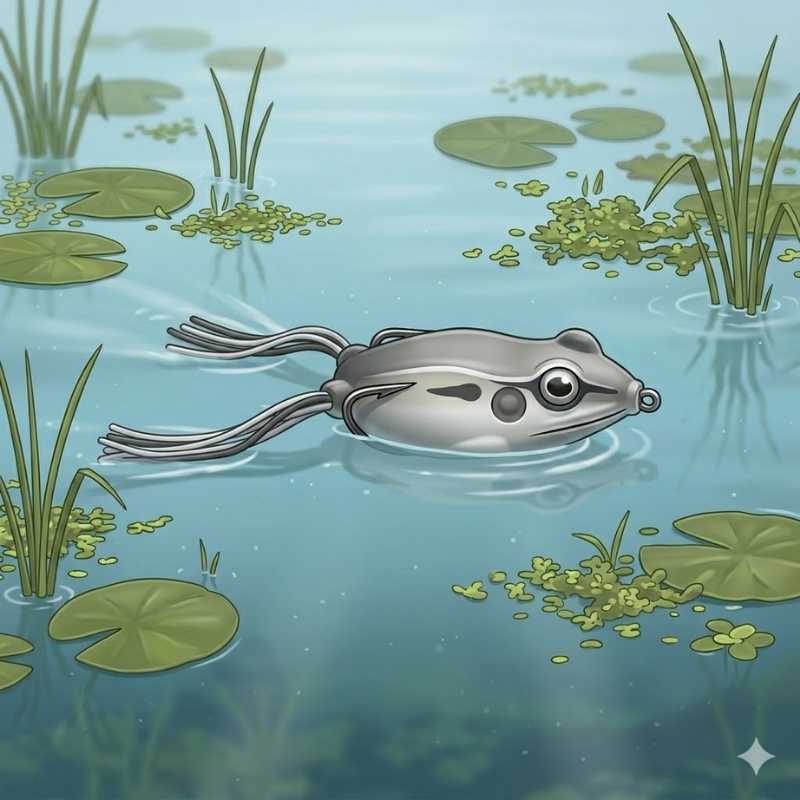
Bluegill bedding starts shortly after bass post-spawn, and bass set up on those beds for an easy meal. A frog walked across pads near bluegill beds is deadly.
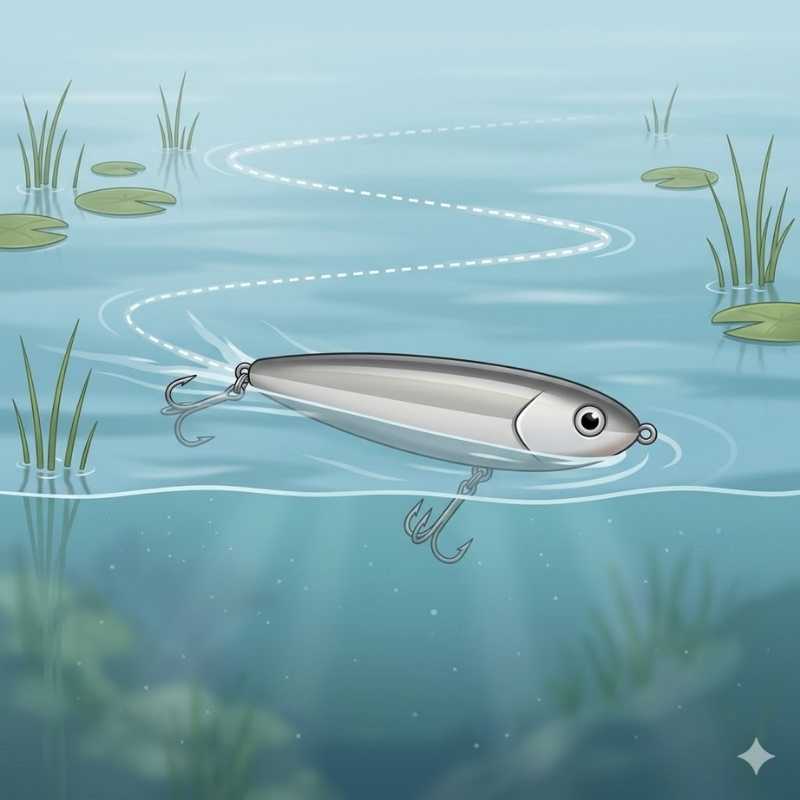
Schooling fish chasing fry or shad fry near the surface light up for a walking bait at first and last light. The full topwater playbook is in the summer topwater guide.
Cruising females looking to feed will eat a slow-fall soft plastic skipped under docks and laydowns. This is one of the most reliable post-spawn presentations.
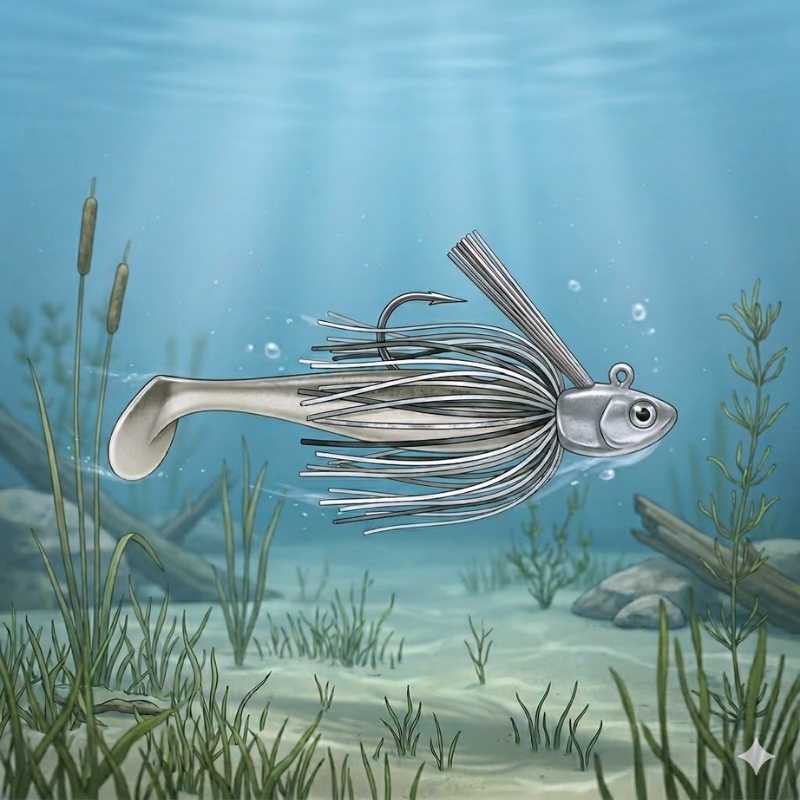
Strike King Hack Attack Swim Jig
Heavy hook and clean swim through grass.
Grass and docks — clean swim, mimic a cruising bluegill.
As an Amazon Associate I earn from qualifying purchases.
Alternative Options
- Berkley Swim Jig →Alternative
Mimics a bluegill cruising the cover. Bass that are feeding on bream attack it on the slow swim or as it pops free of grass.
Lure selection logic
The decision tree for post-spawn is built around which group you've found:
- See fry on the surface or males flaring on shallow cover? Small swimbaits, weightless flukes, and wacky senkos drawn through the area.
- Bluegill on beds in 2–5 feet of hard-bottom flat? Frogs, swim jigs, and walking topwaters at the cover edges.
- Empty banks and no surface activity? Move to the first deep cover off the spawning pocket and slow-roll a Carolina rig or football jig for recovery females.
This map-the-group-to-the-bait logic is the same framework the lure selection guide applies year-round.
Where to find post-spawn fish
Look for shade, bluegill activity, and the first drop outside spawning pockets. Boat docks are post-spawn magnets — skip a senko under every dock until you find the pattern. The dock fishing breakdown covers the technique in detail, and the best lures by water temperature chart helps pin down what to throw as surface temps climb through 70°.
Water clarity adjustments
- Clear water: Natural bluegill and shad colors, smaller profiles, light line. Fluorocarbon leaders on topwaters help.
- Stained water: Black/blue jigs and frogs, chartreuse trim on swim jigs and trailers. Bream colors with brighter contrast.
- Muddy water: Stay shallow and target hard cover with bulky profiles. Cross-reference the muddy-water lures guide.
Seasonal considerations
Post-spawn isn't a single condition — it's a three-week transition. Early post-spawn (within 7 days of bedding) produces the most fry guarders and the toughest recovery-female fishing. Mid post-spawn (week 2) lines up with the first major bluegill bedding wave on most southern lakes and the bite turns on hard. Late post-spawn (week 3+) bleeds into early summer, fish start setting up on first-line summer structure, and you can begin fishing the summer topwater patterns and the midday summer adjustments. The full timeline lives in the seasonal bass patterns pillar.
Mindset
Post-spawn bass do not feed in big windows. They feed for 15 minutes, then turn off for an hour. Keep moving, keep covering water, and trust that the bite will happen on the right cast. Weather matters more than usual — a passing cloud line or a sudden wind can turn the entire shallow population on for 20 minutes. Read the weather pillar guide for the bigger picture.
Real-world application
It's the second week of May, six days after a full moon. Surface temp is 72°. You launch at first light to calm water and overcast sky. The lake's main spawning pockets emptied a week ago — now what?
First hour: hit a hard-bottom flat at the back of the largest spawning bay with a hollow-body frog. Bluegill should be bedding here right now, and bass set up on the deep edge of those beds to ambush. Walk the frog slowly across the flat and pause in every shaded pocket. Mid-morning: as the sun rises, switch to a wacky-rigged senko and start skipping every dock with a laydown beside it. Recovery females are using dock shade as transition cover. Afternoon: run to the first secondary point outside the spawning pocket and drag a 3/4-oz Carolina rig with a green pumpkin lizard along the 8–12 foot break. You'll find suspended recovery females stacked off the first deep brush or stump line. Last light: back into a shallow pocket with a walking topwater near any fry ball you can see — males will boil on it within two casts.
The mistake most anglers make
Most anglers write off the post-spawn period and stay home or fish too aggressively when they do show up. Post-spawn bass eat slow, falling baits more reliably than anything ripped through the strike zone. The other classic error is ignoring bluegill activity — a bream bed in 3 feet of water with a couple of nearby docks is the highest-percentage spot on the lake for two weeks straight, and most anglers cruise right past it looking for a more "obvious" pattern.
The third mistake is fishing one group all day. The angler who recognizes which group is biting in a given window and rotates accordingly will out-fish the angler running a single pattern by 3-to-1.
Let LureLogic suggest the highest-confidence baits for your water temp and forage — bluegill as the dominant forage shifts the engine toward swim jigs and frogs.