What Triggers the Shad Spawn
Shad spawn on a combination of water temperature, day length, and stable weather. The water temp trigger is the most reliable — most threadfin and gizzard shad populations begin spawning when surface temps hit the mid-60s and continue through the low 70s. After that, the spawn winds down as the fish drop off the banks into open water. Stable nighttime temps matter too. A warm, calm night with no front passing through is the kind of setup that produces a heavy spawn at dawn. A cold night or a passing front kills it.
The spawn happens at low light. Shad school up against vertical hard cover overnight and broadcast eggs along the surface in the gray hour before sunrise. By the time direct sun hits the water, the spawn is functionally over for the day. The fish reset and do it again the next morning if conditions hold.
Why Bass Follow Spawning Shad
This is the easiest meal of the bass year. Shad are obsessed with reproduction during the spawn — they're not watching for predators, they're flickering in inches of water against a wall of rock or wood, completely exposed. A bass doesn't have to chase. It cruises the bank in two feet of water and eats whichever shad comes closest. Energy expenditure is almost zero. Calorie intake is enormous. Every adult bass in the system, including the giants, participates.
Post-spawn females especially key on this event. They've burned massive reserves laying eggs and need to recover weight fast. A heavy shad spawn three weeks after the bass spawn is when you see those big females pop back up shallow and feed like they haven't eaten in a month — because they basically haven't.
Best Bank Types During a Shad Spawn
- Riprap and seawalls — the gold standard. Vertical hard surface, plenty of small crevices for eggs to stick, easy access for shad. Long riprap banks on causeways and dam faces are nearly automatic.
- Marina walls and dock posts — same principle, smaller scale. Bass cruise dock to dock and ambush at every post.
- Standing timber bases — older reservoirs with flooded timber along the bank. Shad spawn on the tree trunks at the waterline.
- Pea gravel and chunk rock — secondary but reliable, especially if the bank drops fast into deeper water.
- Bridge pilings — vertical, hard, and almost always near deeper water bass can retreat to. Often overlooked but excellent.
What you want to avoid: soft mud, deep silt, and anything that doesn't give shad a hard surface to stick eggs to. For more on how substrate dictates bass positioning at other times, see bass fishing transition banks.
Top Lures for Matching the Spawn
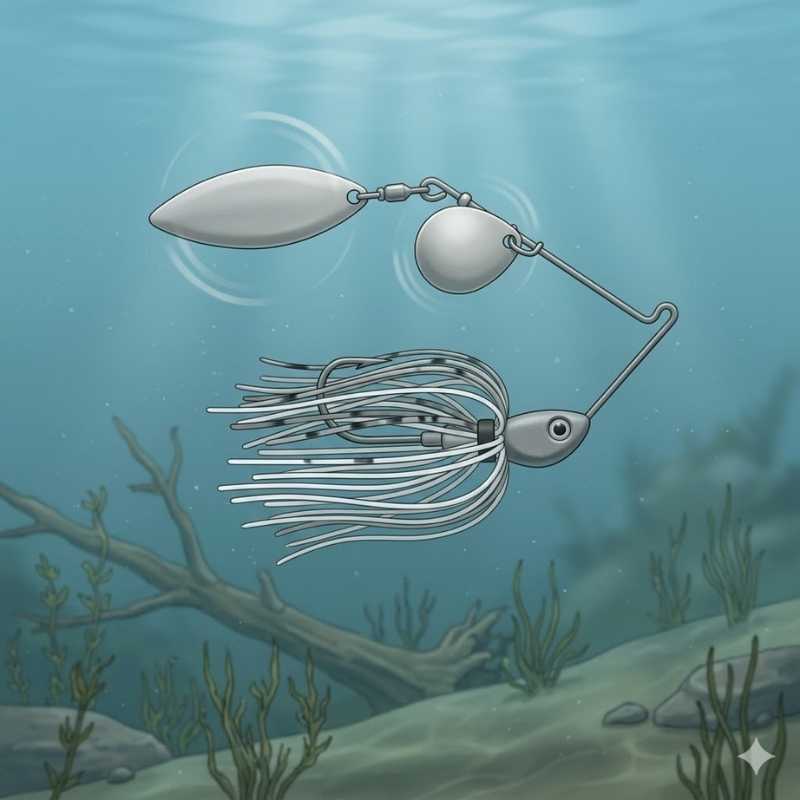
War Eagle Spinnerbait
Classic Colorado/willow combo for windy banks and stained water.
Windy banks and stained water — burn it parallel to cover.
As an Amazon Associate I earn from qualifying purchases.
Alternative Options
- Luck E Strike Legends Spinner Bait →Alternative
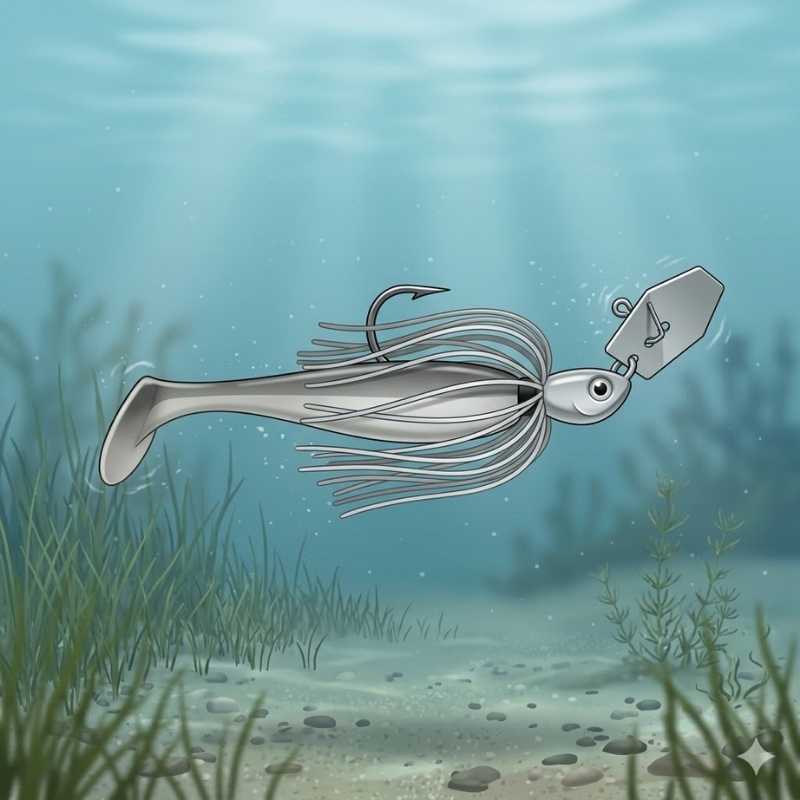
Strike King Hack Attack Swim Jig
Heavy hook and clean swim through grass.
Grass and docks — clean swim, mimic a cruising bluegill.
As an Amazon Associate I earn from qualifying purchases.
Alternative Options
- Berkley Swim Jig →Alternative
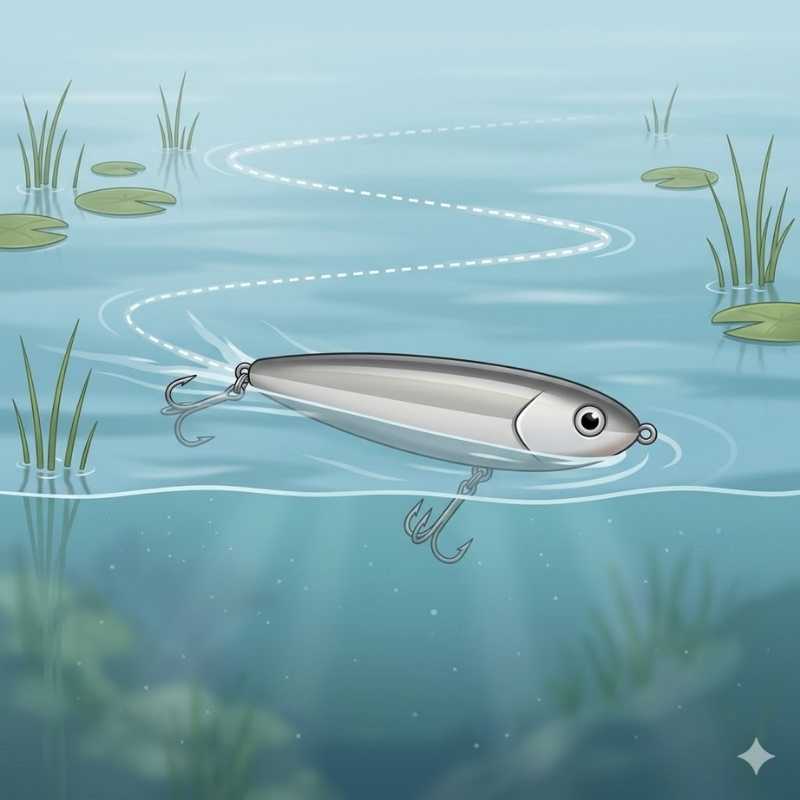
Heddon Super Spook
The benchmark walking topwater — long casts and big bites.
Low-light, calm surface — walk the dog over open water.
As an Amazon Associate I earn from qualifying purchases.
Alternative Options
- River2Sea Whopper Plopper →Alternative
- Berkley Choppo →Budget
Round out the box with a wake bait that just barely bulges the surface and a buzzbait for the absolute first hour of light when bass are tracking wakes. Color is simple: white, white-chartreuse, or shad pattern. The whole point is to match a chrome-sided, 3- to 5-inch shad against a rock wall — don't overcomplicate it.
Boat Positioning and Casting Angles
The single biggest mistake people make is sitting too far off the bank and casting straight in. The shad are tight against the wall — within inches — and bass are tracking parallel to the wall. The right cast runs the bait parallel to and tight against the hard cover for as long as possible.
- Position the boat 15 to 25 feet off the bank and cast down the bank, not into it.
- Keep the bait within a foot of the rock or wood the entire retrieve.
- Burn it the first 30 minutes of light — bass want a fast reaction strike when bait is flickering everywhere.
- Slow down as the sun rises. The spawn is fading and the bait is fewer; a slower swim jig or walking bait outproduces a burning spinnerbait.
- Stay quiet on the trolling motor. Fish are in inches of water and spook easily.
Common Mistakes Anglers Make
- Sleeping in. The window is over by 8 AM on most lakes — be on the water before legal shooting light.
- Fishing the wrong bank type. Soft mud banks almost never produce, no matter how good the wind looks.
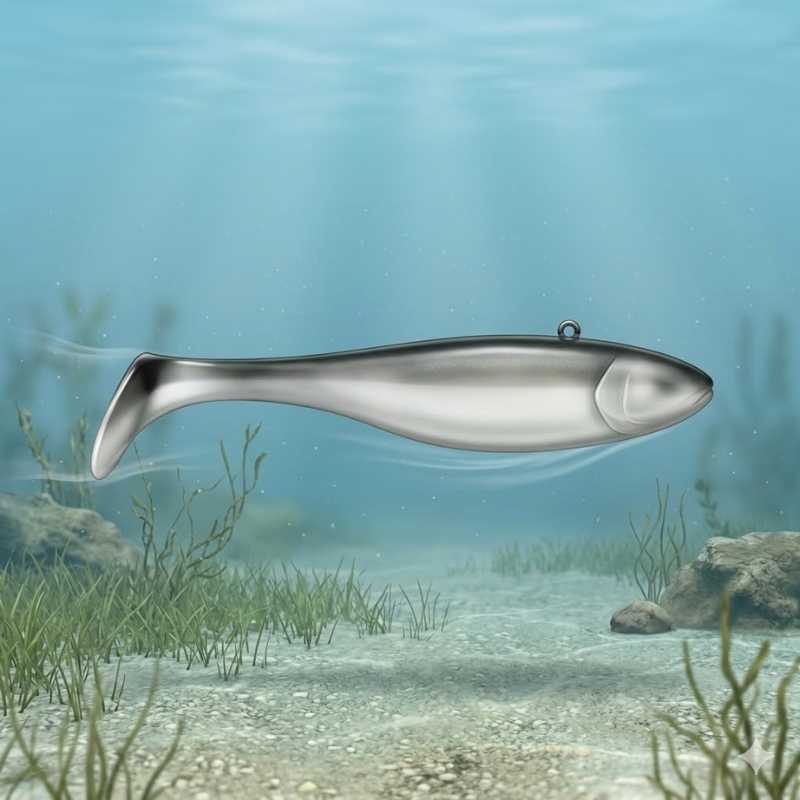
- Throwing baits that don't match. A 7-inch swimbait is wrong even though it's a great bait — match the 3- to 5-inch shad.
- Staying too long. Once the sun is up and the flicker is gone, the bite is done for that morning. Move to a shade or current pattern.
- Ignoring wind. A light wind pushing into the bank concentrates bait and extends the bite window. A wind blowing off the bank kills it. See wind and bass positioning for why.
When the Pattern Ends
The shad spawn winds down as surface temps climb past 72 to 74 degrees and the morning bait sightings dry up. When you stop seeing flickers on the rocks at dawn, the spawn is over. Bass transition into a deeper baitfish-following pattern — chasing pods of shad on points, humps, and over the channels. That's when the summer topwater pattern takes over for low-light windows and offshore structure becomes the daytime game. For the suspension behavior that follows, see why bass suspend during seasonal transitions. For the storm-driven feeding pulse that can briefly fire a second window, see bass fishing before storms.