Why Lure Selection Is Really a Reading Problem
Beginners think bass fishing is about picking the "right lure." Veterans know it's about reading the day. The lure is just the output of a decision. Change the conditions and the correct lure changes with it — often dramatically. Two anglers on the same lake, same day, throwing the same bait can catch nothing while a third angler two hundred yards away catches twenty. The difference isn't the lure. It's that one of them read the conditions and picked a bait that fit, and the other two didn't.
This guide is the mental checklist that turns condition reading into lure selection. It's the same framework built into LureLogic's recommendation engine, unpacked so you can run it yourself, understand the reasoning, and make better decisions even when you're not near a phone.
The Four-Filter Framework
Every lure choice runs through four questions in this specific order. The order matters — get it out of sequence and you'll make decisions on incomplete information.
- Water temperature. Sets the metabolic ceiling. Rules out half the tackle box before you even open it.
- Water clarity. Determines whether bass are hunting with their eyes or their lateral line.
- Weather and light. Controls aggression level and how far bass will move to eat.
- Depth. Places the bait in the actual strike zone. Everything above narrows the category. Depth places the presentation.
Notice what's not on the list first: lure color, brand loyalty, "what worked last time," or what's trending on social media. Those are downstream choices, not upstream filters. Get the filters right and the color decision becomes obvious. Skip the filters and no color will save you.
Filter One: Water Temperature
A bass is a cold-blooded predator, which means its metabolism — and therefore how fast it can chase, how far it will move, and how much energy it can afford to burn on a strike — is entirely governed by water temperature. This is not a preference. It's physiology. A 42°F bass literally cannot chase a burned spinnerbait the way a 68°F bass can. Its muscles won't fire that quickly. So the lure has to match what the fish can physically do.
Here is the temperature framework, category by category:
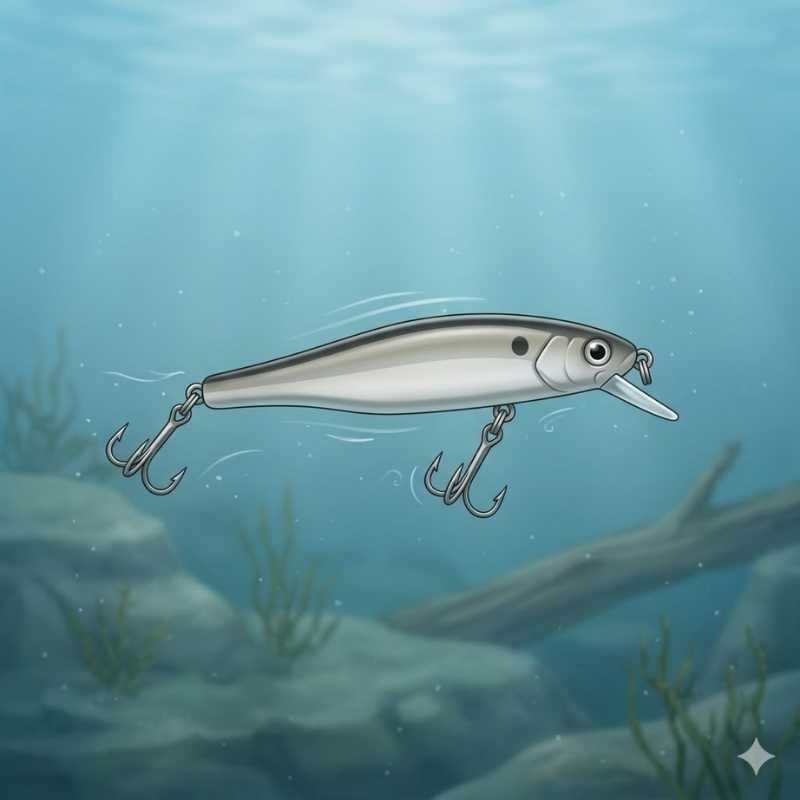
- Below 45°F. Bass barely move. Suspending jerkbaits with long pauses, hair jigs crawled on the bottom, blade baits fluttered vertically, and small football jigs. Any bait that stays in the strike zone with almost no motion. Cadence is measured in seconds between twitches — pauses of 10 to 20 seconds are not too long.
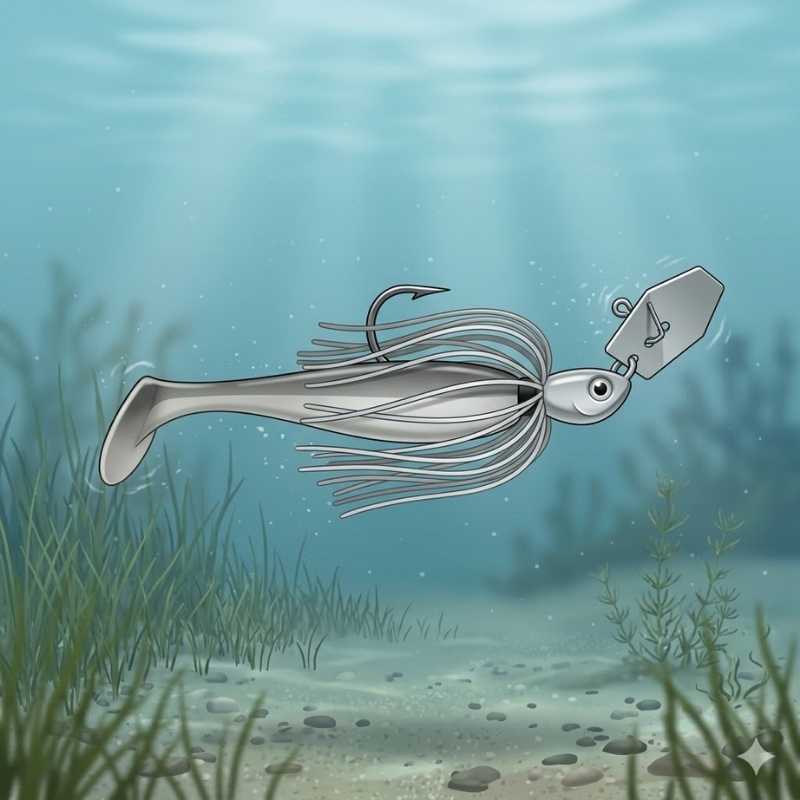
- 45–55°F. The prespawn window opens. Jerkbaits still dominate but pauses shorten. Slow-rolled spinnerbaits, chatterbaits ticked over gravel, and small crankbaits enter the rotation. See best bass lures for 55° water for the exact staging pattern.
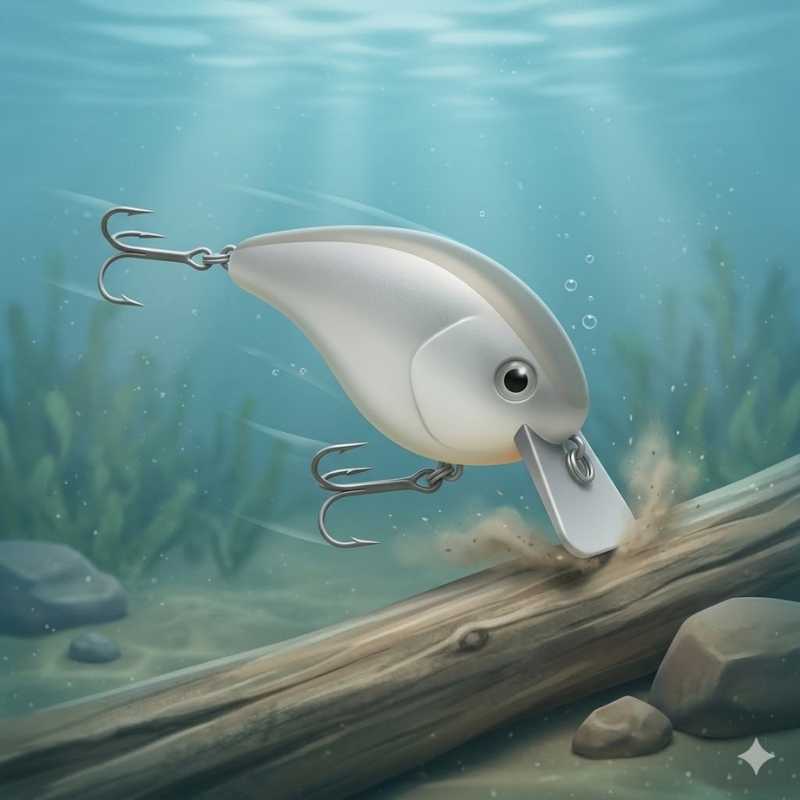
- 55–65°F. Reaction baits become viable. Squarebills, lipless cranks, chatterbaits, and topwater on warm afternoons. Bass will chase but not commit to long runs. Cover-based ambush is still primary.
- 65–75°F. The full toolbox opens. Topwater at dawn and dusk, spinnerbaits and swim jigs mid-column, soft plastics around cover, and deep cranks starting to produce on the ledges. This is the widest lure window of the year.
- 75–85°F. Metabolism peaks but so does thermal stress. Bass move to shade, current, or depth. Topwater early and late, deep structure midday. Frogs over mats, walking baits over herring schools, and deep water lures on offshore humps.
- Above 85°F. Heat stress reduces feeding windows. Concentrate on dawn, dusk, night, and thermally stable depths near the thermocline. Slow-fall soft plastics, deep-diving cranks, and shady-cover finesse.
For a full walkthrough of every temperature band and the reasoning behind each category, the pillar guide on best bass lures by water temperature covers it degree by degree. Also study the seasonal water temperature guide to understand how temperature shifts through the year on your body of water.
Filter Two: Water Clarity
Clarity determines which of a bass's two primary predatory senses is dominant that day. In clear water, bass are visual hunters — they see the bait, decide, and commit. In muddy water, bass hunt by lateral line, feeling the water displaced by a moving object long before they see it. Stained water sits between the two and rewards baits that offer both.
Get the clarity call wrong and you'll fish the right lure to the wrong sense. A silent, natural jerkbait crawled through muddy water is invisible. A loud chatterbait ripped through gin-clear water is a warning siren that scatters fish.
- Clear water (4+ feet of visibility). Natural profiles, translucent colors, longer leaders, lighter line, and finesse. Drop shot worms, ned rigs, jerkbaits, small swimbaits, and unweighted stickbaits. See best bass lures for clear water.
- Stained water (1–3 feet). The best all-purpose clarity. Silhouette matters more than color; vibration helps but isn't required. Chatterbaits, spinnerbaits, squarebills, and jigs all thrive.
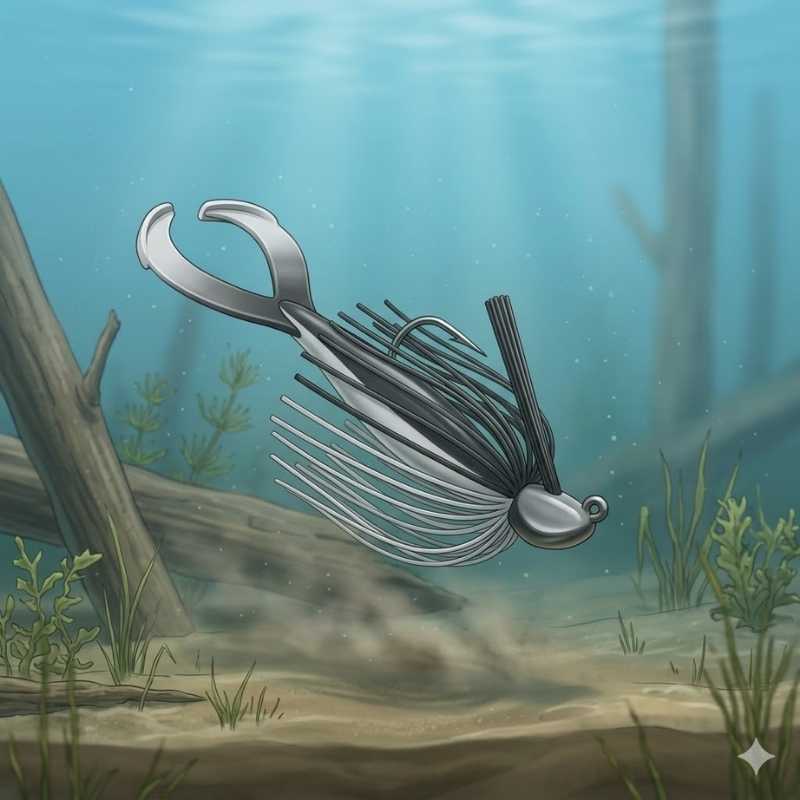
- Muddy water (less than 12 inches). Vibration and dark silhouette dominate. Black/blue jigs, black chatterbaits, and Colorado-blade spinnerbaits move water and create profile against light. Read the full muddy water lures guide.
Clarity also changes color logic completely. In clear water, natural greens, browns, and translucents beat bright colors because bass have time to inspect and refuse. In muddy water, contrast against the water — solid black, solid white, chartreuse — beats natural because bass can't see paint jobs, only outlines. The pillar on water clarity and lure selection handles every point on the spectrum.
Filter Three: Weather and Light
If temperature sets what's physiologically possible and clarity sets which sense bass are using, weather sets how aggressive they'll be about it. Falling barometric pressure, wind, and cloud cover make bass roam and hunt. High pressure, calm bluebird skies, and post-front conditions make them tuck into cover and refuse to move.
- Falling pressure and pre-storm. The best feeding window in bass fishing. Fish move, chase, and commit — reaction baits, moving baits, and search patterns pay off. See how falling pressure changes feeding and bass fishing before storms.
- Wind. Oxygenates water, disorients baitfish, and breaks up the surface. Bass push shallow and hunt the windward bank. Read how wind affects bass positioning and best baits for windy conditions.
- Overcast and low light. Extends the feeding window on both ends. Moving baits stay in play longer. Topwater, spinnerbaits, and swim jigs remain productive well into midday.
- Post-cold-front and bluebird sky. The worst day of the fishing week. Bass suck into cover, strike zones shrink, and finesse takes over. Slow drop shots, ned rigs, small jigs, and precise casts. See best bass lures after a cold front and bluebird sky bass fishing.
- Early morning and late evening. Low-light triggers active surface feeding. Walking baits, poppers, buzz baits, and frogs come alive. Full deep-dive: early morning bass fishing lures.
The weather pillar — the complete weather and bass fishing guide — connects every weather variable to the lure family that fits. When you're not sure how a specific weather setup should influence your choice, that's the fastest place to look.
Filter Four: Depth
Once the first three filters have narrowed you to a category or two, depth places the presentation. This is where anglers most often get within one category of correct and still lose. A shallow-runner ticking gravel in six feet is not going to convert bass suspended at eighteen feet. Match the depth of the retrieve to the depth of the fish.
- 0–6 feet. Ambush zone. Squarebills, spinnerbaits, chatterbaits, buzz baits, frogs, and Texas-rigged soft plastics. Cover-driven, high-percentage water. Full breakdown in best bass lures for shallow water.
- 6–15 feet. Mid-depth transition. Mid-diving crankbaits, chatterbaits with heavier heads, swim jigs, and Carolina rigs. Points, ledges, and creek channel edges.
- 15–25+ feet. Offshore game. Deep-diving crankbaits, football jigs, drop shot worms, spoons, and blade baits. Structure-driven — humps, ledges, and channel swings. See best bass lures for deep water and best deep crankbaits for bass.
Depth also interacts with structure. A point rising from 20 to 8 feet holds fish across the entire column, but the productive strike zone at any given moment is one narrow slice. Electronics, seasonal knowledge, and forage location collapse the guessing.
Where Bass Position Under Each Scenario
Lures don't catch bass — they catch bass that are already in a position to be caught. Positioning is the invisible variable behind every lure choice.
- Cold, stable weather. Bass hold deep, tight to structure, in the warmest available water. See bass positioning in stable weather.
- Prespawn. Bass stage on secondary points, transition banks, and channel swings between wintering holes and spawning flats. Read the prespawn bass fishing lures guide.
- Post-spawn to summer. Fry guarders in shallow cover, then a slide to shade, current, and deeper structure as water warms. Study post-spawn bass fishing.
- Fall. Bass follow shad into creek arms and gorge before winter. See the fall bait guide.
- Winter. Deep, slow, and structure-tight. See winter bass fishing lures.
The seasonal bass patterns pillar lays out the year in eight distinct windows, and the structure pillar maps where bass live within each one.
Match the Meal: Forage-Driven Lure Choice
Once the framework has narrowed the category, forage narrows the profile. Bass eat whatever the local buffet is serving. Get the meal right and you'll pick better sizes, colors, and actions.
- Shad-based fisheries. Silver, white, and pearl profiles. Swimbaits, jerkbaits, spinnerbaits, and walking baits. Learn the difference between threadfin and gizzard shad.
- Bluegill-driven bass. Green pumpkin, black/blue, and wide profiles. Jigs, Texas rigs, and creature baits. See bluegill spawn positioning.
- Crawfish-heavy waters. Brown, orange, and red hues on jigs and craw imitators. Study the crawfish color cycle.
- Herring lakes. Long, narrow, silver profiles. Flukes, walking baits, jerkbaits. Detail in the herring spawn guide.
The bass forage pillar is the single best reference for tuning profile and color to the local menu.
Retrieve Style: The Underrated Variable
Two anglers with the same lure catch different fish because retrieve is half the presentation. Match cadence to activity level.
- Slow. Bottom-crawled jigs, dead-sticked stickbaits, long-paused jerkbaits. Cold water, high pressure, post-front, deep summer bass.
- Medium. Steady spinnerbaits, mid-cadence chatterbaits, wound crankbaits. Prespawn, stable weather, general search.
- Fast. Burned squarebills, ripped lipless cranks, buzz baits. Active feeds, low light, wind-driven water, fall shad blitzes.
- Erratic. Twitch-jerk-pause jerkbaits, walked topwater, deflected crankbaits. Neutral fish that need a reason to commit.
Color Selection Without Overthinking
Color matters, but not as much as most anglers think. Use this simple hierarchy:
- Match the forage in clear water.
- Contrast the water in stained or muddy conditions.
- Under low light or heavy overcast, dark colors silhouette better than bright.
- Under bright sun in clear water, translucents and naturals disappear the bait's shortcomings.
- When in doubt, throw green pumpkin (soft plastics), white (moving baits), or black/blue (jigs).
For lure-family-specific color logic, see best spinnerbait colors and the color-cycle sections inside each buying guide.
Common Mistakes That Kill Lure Selection
- Fishing memory instead of conditions. "It worked here last time" is the single most expensive sentence in bass fishing. Last time isn't today.
- Skipping the temperature filter. Anglers reach for a favorite bait before checking what temperature allows. A 46°F bass isn't going to chase your favorite topwater no matter how much confidence you have in it.
- Ignoring clarity. A jerkbait in muddy water is a wasted cast. A chatterbait in gin-clear water pushes fish backward.
- Owning too many lures and knowing too few. Confidence catches fish. Rotate through eight to twelve categories all year and go deep on each.
- Retrieve on autopilot. Every lure has a productive cadence for the day. Vary speed, cadence, and pauses on every third or fourth cast until you find the trigger.
- Ignoring depth. Even the right category fished at the wrong depth is a miss. Match the running depth of the bait to the depth of the fish.
Build a Confidence Set, Not a Tackle Hoard
The best bass anglers in the world fish a surprisingly narrow set of lure categories. What separates them isn't the size of the tackle box — it's the depth of understanding within each category. If you're just starting to build your system, these are the eight categories that cover 90% of conditions across the year:
- Suspending jerkbait — cold water and clear water.
- Squarebill crankbait — shallow reaction water.
- Chatterbait — stained, windy, or grass-line water.
- Spinnerbait — muddy water, windy banks, low light.
- Football jig — deep structure and rocky bottoms.
- Texas-rigged soft plastic — cover, clear water, universal.
- Drop shot — pressured fish and open water.
- Walking bait or topwater frog — low light, warm water.
Layer on lipless cranks, deep cranks, and swimbaits as your understanding grows. Every one of those categories has a dedicated buying guide on LureLogic to help you pick the specific product that fits your water.
Bringing the Framework Together
A great lure decision is the four-filter framework, applied fast: read temperature, clarity, weather, and depth in under a minute. Overlay forage. Pick a retrieve. Commit to a category. That decision is going to be right most days. On the days it's not, the fastest correction is to change one filter at a time — retrieve first, then color, then category. Don't reshuffle the whole framework on a single fish.
This entire framework is also the logic behind LureLogic's condition-based recommendation engine. You can run today's conditions through it yourself, and the tool returns a full fishing strategy: the highest-confidence lure, a starter color, retrieve style, depth window, and backup pattern for when the primary slows down. It's the fastest way to apply this framework on the water.
From Framework to Today's Fishing Strategy
This guide teaches you how to think through lure selection. The four filters — temperature, clarity, weather, and depth — form the backbone of every good decision on the water. But the real edge is applying every filter at once, not one at a time, because bass respond to the combined picture, not any single variable.
When you're ready to see what all of today's conditions add up to, run them through today's fishing strategy. Drop in the temperature, clarity, weather, and depth in front of you, and get a complete recommendation — lure, color, retrieve, and backup — built from this same framework. The framework keeps you sharp. The tool applies it in seconds.