Why Fall Is Special
As water cools through the 70s into the 60s, shad migrate from the main lake into creek arms in search of warmer, plankton-rich water. Bass shadow the migration and feed heavily to store fat for winter. The relationship is tight: locate the bait and the bass are almost always within casting distance. This is the fundamental fall pattern, and it overrides almost every other consideration for six to eight weeks.
The biological driver is two-sided. Cooling water increases the metabolic efficiency of cold-blooded bass — they convert calories more efficiently than they did in 85° summer water. At the same time, the bait is concentrated and panicked, easier to catch than it has been all year. The two factors stack: bigger appetite, easier meals. The result is the most consistent multi-week feeding window of the calendar. See how bass follow baitfish movement for the full forage-driven framework.
Bass Positioning Through the Fall
Fall positioning is migration in slow motion. As the season progresses, bass move with the bait from main-lake to creek mouth, then progressively deeper into the creek arm.
Early fall (water 70–66°): bass position at creek-arm mouths, main-lake points adjacent to creek openings, and the first major channel bend inside the creek. Schools roam between these spots following shad. Big fish are still mixed with main-lake summer holding patterns — see summer bass fishing on Lake Wylie for that transitional behavior.
Mid fall (water 66–58°): the migration is fully underway. Bass position in the middle thirds of creek arms — secondary points, channel bends, laydown banks, dock rows. This is the peak window for reaction-bait fishing. Active fish chase shad against the bank in 3–6 feet of water and corral schools in open pockets.
Late fall (water 58–50°): bass push to the deeper edges of creek arms, channel ledges within the arm, and the first significant drop-off near the back. Some fish are already staging on the structures they'll use through winter — see winter bass fishing lures. Slow your retrieve.
Through the day, bass follow shad vertically. In early fall, schools often surface-bust on a 70° morning, drop deeper midday, and resurface in the afternoon. By late fall, the schooling slows and the daily window shrinks toward midday/afternoon as the surface water warms.
The Fall Lure Rotation
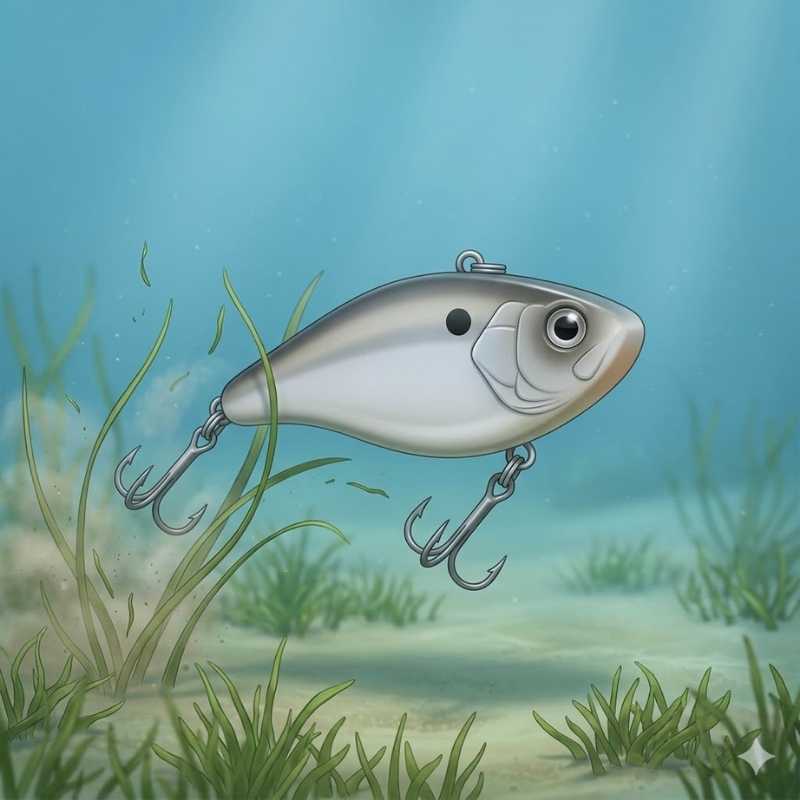
1. Lipless Crankbait
Strike King Red Eye Shad
Excellent flutter on the fall over grass and flats.
Grass flats and creek arms — yo-yo it through the tops.
As an Amazon Associate I earn from qualifying purchases.
Alternative Options
- Bill Lewis Rat-L-Trap →Alternative
Match the size of the local shad and burn it through any creek arm holding bait. The sound and flash imitate a panicked shad — a fall classic. A 1/2 oz Rat-L-Trap or Strike King Red Eye Shad in sexy shad, chrome, or chartreuse-shad is the workhorse. Yo-yo it through grass; burn it parallel to laydowns.
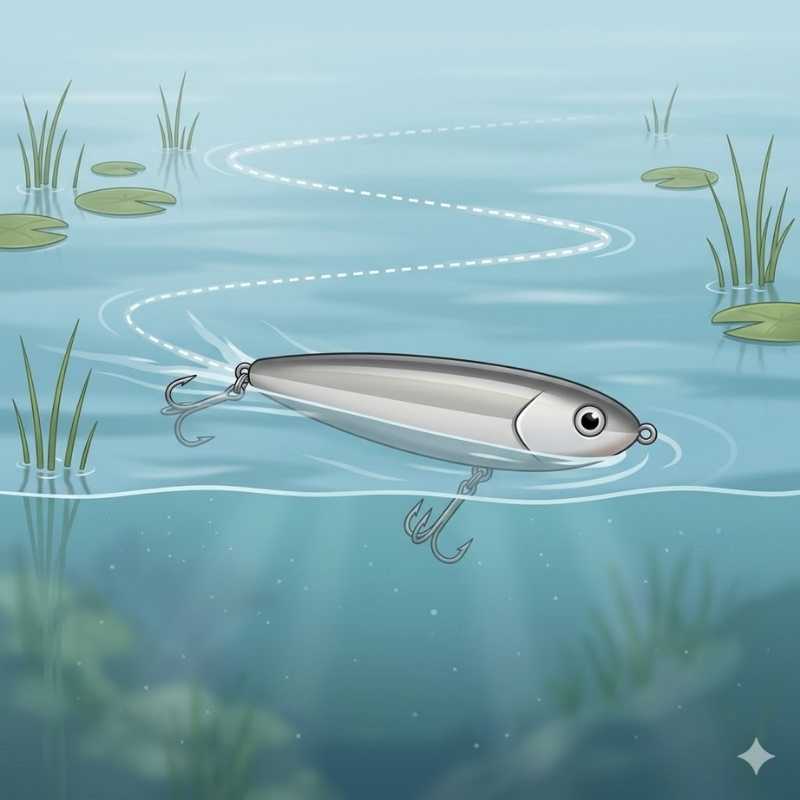
2. Walking Topwater
Heddon Super Spook
The benchmark walking topwater — long casts and big bites.
Low-light, calm surface — walk the dog over open water.
As an Amazon Associate I earn from qualifying purchases.
Alternative Options
- River2Sea Whopper Plopper →Alternative
- Berkley Choppo →Budget
Schooling bass blow up on shad near the surface throughout fall. A walking bait covers water and capitalizes on the schooling action. A Heddon Super Spook or Strike King Sexy Dawg in bone, pearl, or sexy shad is the standard. Cast past surface activity and walk through it. See Lake Wylie topwater fishing for the herring-and-shad surface bite that runs into October.
3. Spinnerbait
War Eagle Spinnerbait
Classic Colorado/willow combo for windy banks and stained water.
Windy banks and stained water — burn it parallel to cover.
As an Amazon Associate I earn from qualifying purchases.
Alternative Options
- Luck E Strike Legends Spinner Bait →Alternative
White or shad-pattern spinnerbaits work shorelines, points, and grass edges as bass chase shad into the bank. A 3/8 to 1/2 oz double-willow with silver blades on overcast days, gold under sun. See best spinnerbait colors.
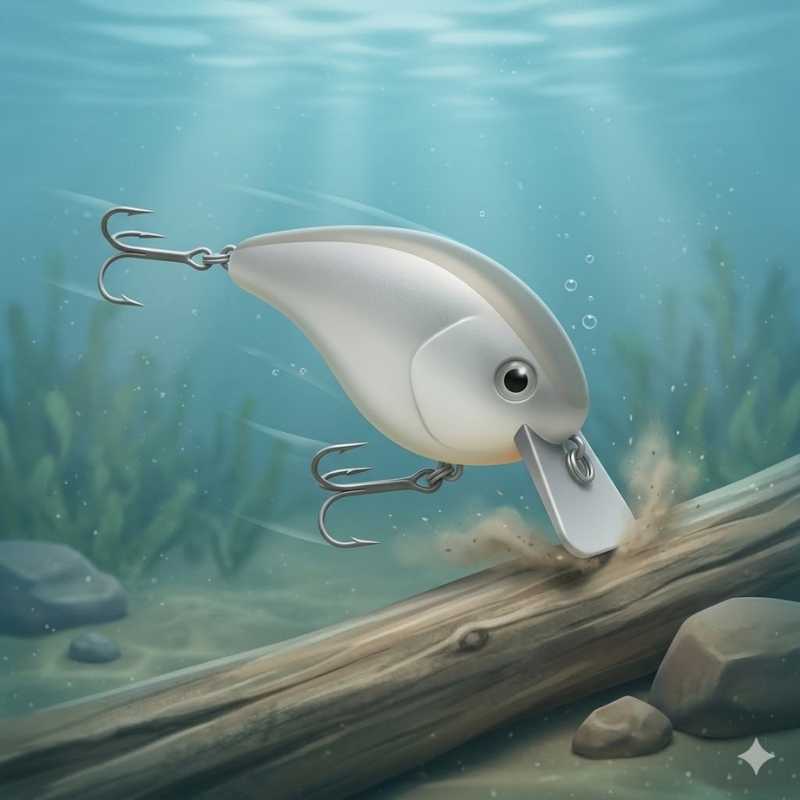
4. Squarebill Crankbait
Cover-oriented bass key on a squarebill bouncing off stumps and laydowns in the backs of creeks. A KVD 1.5 in sexy shad or chartreuse-shad deflected off every piece of cover is the bait that catches the bigger-than-average fall fish that don't show up to the surface schooling. See best squarebill crankbaits.
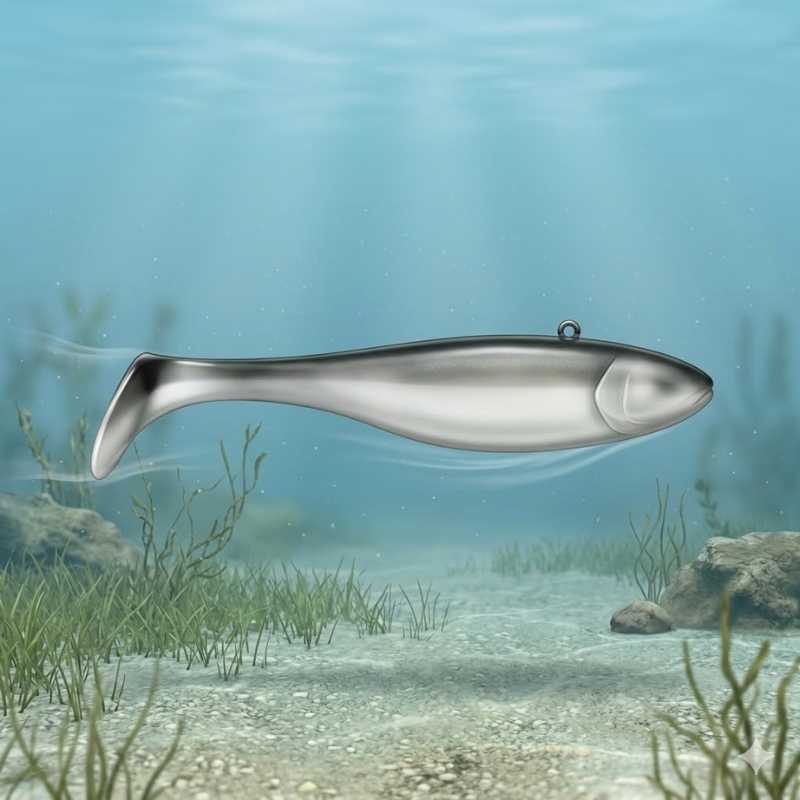
5. Swimbait or Underspin
For schooling fish that get tired of the topwater. A 4" Keitech on a 1/4 oz underspin or jig head, cast into surface activity and let to drop, produces when the topwater bite slows. Particularly good for the bigger fish under the school.
Reading the Migration
Find the bait first. Birds working overhead, surface flickers, shad jumping clear of the water, and tightly-packed sonar marks in 8–15 feet — all of it tells you where to fish. Move quickly through unproductive water and stay on the bait. A creek arm with no shad in late October is empty water — but the next creek arm 200 yards down the bank may be loaded.
Three rules: (1) Birds are a giveaway. If you see herons, terns, or gulls working a pocket, run to it. (2) Wind concentrates bait further. A wind-blown creek arm pushes shad even harder into the back. See wind, shad and bass ambush zones. (3) Water color matters. Slightly stained water in the back of a creek arm often holds more bait than the clearer main-lake water — fish into the stain.
Size and Color Matching
Match the local shad. Early fall shad are larger (3.5–5 inches), late-fall shad are smaller (2–3 inches). Lean on shad-pattern colors — sexy shad, pearl, chartreuse-shad, chrome. Reds and oranges still produce around hard bottom, rock, and riprap where craws are still active. Threadfin vs gizzard shad matters here — threadfin schools stay tighter and run smaller; gizzard schools roam looser and run bigger. Match the dominant species on your fishery.
Water Clarity Adjustments
- Clear water: natural shad patterns dominate. Smaller profile baits, longer casts, slightly subtler colors. Topwater works disproportionately well in clear-water fall mornings. See best bass lures for clear water.
- Stained water: the easiest fall fishing. Sexy shad, chartreuse-shad, and white-chartreuse all produce. Spinnerbaits and chatterbaits cover water fast and produce numbers.
- Muddy water (post-rain in creek arms): bigger profile, bolder color. Red lipless cranks, white-chartreuse spinnerbaits with single Colorado blades, chatterbaits with bulky trailers. Wind plus muddy creek arms in fall is a hidden gem — see muddy-water bass lures.
Seasonal Sub-Patterns Within Fall
- September (water 72–68°): transition from summer. Schooling activity at main-lake points and creek-arm mouths. Topwater and big swimbaits. Some summer offshore patterns still produce.
- October (water 68–60°): peak fall. Migration in full swing, bass throughout creek arms. The whole reaction-bait rotation produces. This is the month where 100-fish days are realistic.
- November (water 60–52°): late fall transition. Bass slow down, push to deeper edges within creek arms, key on smaller shad. Lipless cranks shrink to 1/4 oz, jerkbaits start producing, jig bite begins.
- Late November / December (water under 52°): the handoff to winter. Bass position on the first deep structure off creek arms, schools tighten on deep brush. The pattern shifts to slow presentations — see winter bass fishing lures and best bass lures for 55° water.
Lure Selection Logic
Three principles drive fall lure selection:
- Match the size of the dominant bait. Color matters; size matters more. A 3-inch lipless will out-fish a half-ounce trap nine days out of ten when the shad are small. Watch what's on the surface and match it.
- Pick a presentation that covers water. Bass and bait are moving — your job is to intercept. Reaction baits cover 4–5x the water of finesse and put baits in front of fish you'd never reach with a worm.
- Read the activity level. Surface schooling activity = topwater and swimbaits. Subsurface bait but no surface activity = lipless, spinnerbait, squarebill. Bait deep over brush = swimbait or jerkbait. Match the bait's vertical position with a bait that works that depth.
Common Mistakes
- Fishing summer waypoints into late fall. Bass move with the bait, and the bait moves into the backs of creeks fast once the water drops out of the 70s. Leave the offshore brush behind and follow the migration up the creek arms.
- Throwing oversized baits. "Fall is the feeding-up window" gets misinterpreted into oversized baits. Late-fall shad are smaller than people remember — a 3-inch lipless or a small walking bait out-fishes a half-ounce trap when the bait shrinks.
- Ignoring the wind. A wind-blown creek arm in fall is one of the highest-percentage spots in bass fishing. Anglers tuck out of the wind because casting is easier — that's where the bait isn't. See best baits for windy conditions.
- Camping on dead water. Fall rewards mobility. If a creek arm doesn't have bait, leave it. The next arm 300 yards away may be loaded. Spend the fishing time on the bait, not driving casts past empty banks.
- Quitting at noon. Schooling activity often peaks in mid-late morning and resumes in the afternoon as the surface re-warms. The midday lull isn't the end of the day — it's a 90-minute pause.
Real-World Application
A mid-October Saturday on a Southeastern reservoir. Water 63°F, light west wind, mostly sunny. You ride into a long secondary creek arm and see herons working a flat in the back third. Surface flickers on a windblown point about 200 yards from the back. Stained water in the creek, mostly clear near the mouth.
Decision tree:
- Bait is concentrated in the back third — start there, not at the mouth.
- Wind on the point + surface flickers = topwater first cast. Walking bait in bone or sexy shad past the flickers.
- If topwater dies after the first push of schooling — switch to lipless crankbait (1/2 oz, sexy shad) burned parallel to the same point, then yo-yo'd into the back flat.
- Stained back flat with scattered laydowns = squarebill (KVD 1.5, sexy shad) deflecting off every stump and wood piece.
- If the surface bite never resumes — work the windward bank inside the creek arm with a 3/8 oz white-chartreuse spinnerbait, silver blades, slow-rolled parallel to the bank.
Result: 25–40 fish day with several quality 3+ pound fish from the schooling activity and bigger fish from the squarebill on cover. The pattern works because every decision is anchored to the fundamental fall truth: bass are with the bait, in the creek arm, in shad-imitating reaction baits. Run that playbook for six weeks and fall becomes the highest-volume month of your year.