What Is a Herring Spawn
Blueback herring are an introduced clupeid that have taken over many Southeastern reservoirs over the past three decades. Unlike threadfin and gizzard shad, herring are open-water roamers that prefer cool, clear, deep water for most of the year. They only come shallow to do one thing: spawn. The spawn is concentrated on long, sloping main-lake points, sand humps, and clean hard banks adjacent to deep water. Because the herring need clean current and hard substrate to broadcast eggs successfully, the spawning zones are predictable year over year — and so are the bass that hunt them. For the broader forage framework, see our complete bass forage guide.
Why Bass Become Aggressive
Herring are calorie bombs. A single 5-inch blueback is the energy equivalent of a small panfish, and a school of spawning herring is a buffet bass simply do not pass up. Stable weather amplifies this — multi-day high pressure with light morning wind sets up an extended feeding window. The biology behind why bass feed harder under stable conditions is covered in our stable weather bass positioning guide. Add the calorie value of herring on top of that stable pattern and you get the most aggressive bass behavior of the entire year.
Key Structure
Forget bank fishing. Herring spawn relates to:
- Long, tapering main-lake points that run from 5 feet down to 25 or 30. These are the primary spawn highways.
- Offshore humps within a cast of deep water. Bass stage on the deep edge and ambush bait moving over the top.
- Saddles between islands or humps where current funnels schools of bait.
- Clean, hard banks with chunk rock or pea gravel adjacent to a channel swing — similar logic to our bass fishing points guide, but with the herring driving everything.
What you don't want: silt, mud, backs of creeks, heavy vegetation. None of that holds spawning herring.
Timing the Spawn
The herring spawn runs longer than the shad spawn — typically four to six weeks from late April through May depending on latitude. Surface temps in the 62 to 70 range are the sweet spot. The bite each morning starts before legal light and is essentially over by 10 AM most days. Bass push herring to the surface, blow them up, then drop back to suspend over 30 to 50 feet of water until the next morning. The pattern that develops afterwards is covered in our why bass suspend during seasonal transitions guide.
Best Lures
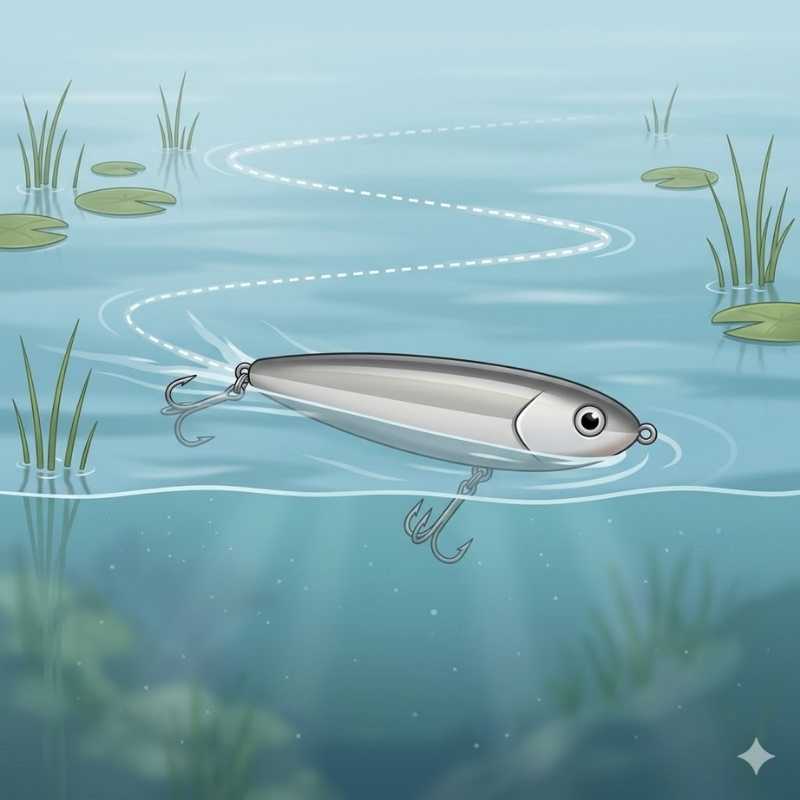
Heddon Super Spook
The benchmark walking topwater — long casts and big bites.
Low-light, calm surface — walk the dog over open water.
As an Amazon Associate I earn from qualifying purchases.
Alternative Options
- River2Sea Whopper Plopper →Alternative
- Berkley Choppo →Budget
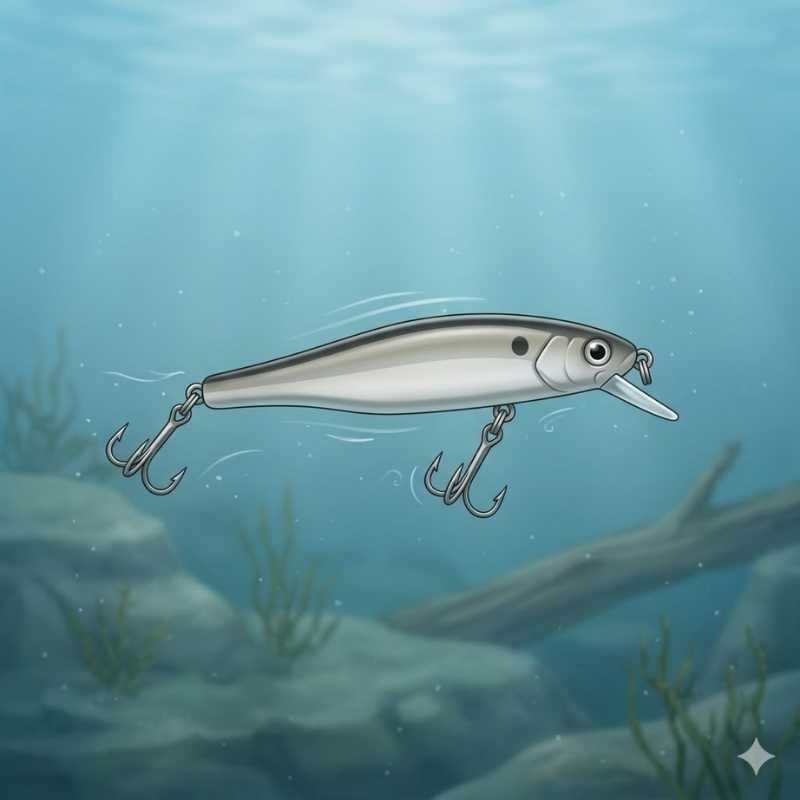
Megabass Vision 110
Industry-standard suspending jerkbait for cold-water bass.
Cold, clear water — long pauses near rock and points.
As an Amazon Associate I earn from qualifying purchases.
Alternative Options
- Rapala Shadow Rap →Alternative
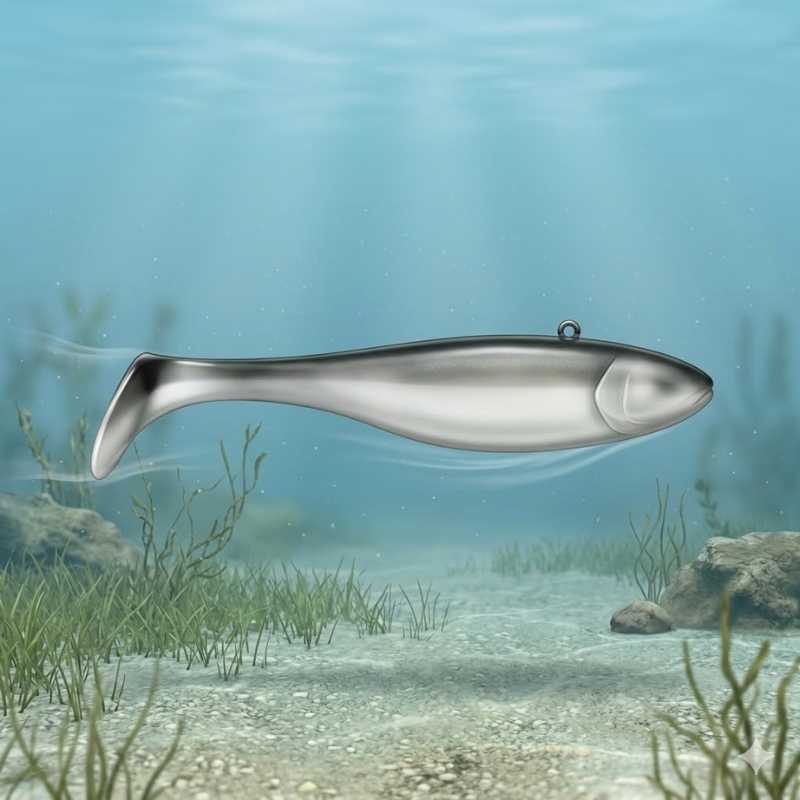
Keitech Swing Impact FAT
Best-in-class paddle-tail action for any swimbait rig.
Imitate shad — steady retrieve over points, flats, and drops.
As an Amazon Associate I earn from qualifying purchases.
Alternative Options
- Berkley PowerBait CullShad →Alternative
- Strike King Rage Swimmer →Budget
A 5- to 6-inch walking topwater in a translucent herring color is the calling-card bait. Back it up with a weightless fluke, a soft jerkbait on a 1/8-ounce screw-lock, and an underspin for the bass that don't commit on top. Color is straightforward: bone, pearl, herring, ghost shad. The retrieve is fast and constant — herring don't pause and neither should your bait.
Boat Positioning
This is where most anglers blow the bite. Herring bass live in 15 feet of clear water and see boats from a long way off. Position the boat in 30+ feet, point the bow at the point or hump, and make casts that travel 70 to 100 feet up the slope. Use a long rod, a fast reel, and braid to fluorocarbon. Don't sit on top of the structure. If you can't see the bass busting, you're already on top of them — back off another boat length.
Mistakes to Avoid
- Sitting too shallow. The biggest mistake. Back off until you have to throw long.
- Burning small baits. Profile matters — herring are big. A 3.5-inch swimbait gets ignored.
- Sleeping in. The bite is over by 10 AM. After that, transition to midday summer bass tactics.
- Ignoring wind. A light wind on the long point activates the bite. Slick calm often shuts it off.
- Not chasing schoolers. When bass bust, run the trolling motor on high — the second cast often produces.
Regional Considerations
The herring spawn behaves slightly differently on every lake. On Lake Wylie and the rest of the Catawba chain, herring drive the entire summer pattern, including topwater fishing — covered in our Lake Wylie topwater fishing guide. On deeper highland reservoirs like Hartwell, the spawn skews later and stays in 12 to 20 feet of water. Pay attention to your local timing and don't chase the calendar — chase the bait. For broader regional patterns, see the Lake Wylie bass fishing guide and the baitfish movement guide.