Threadfin vs Gizzard Shad at a Glance
- Size — threadfin 2–4 in at maturity; gizzard 6–14 in (young-of-year gizzards run 2–4 in through late summer).
- Behavior — threadfin school tight and high in open water; gizzards hold in looser, deeper pods near main-lake structure.
- Habitat — threadfin favor clearer highland reservoirs; gizzards dominate fertile lowland reservoirs.
- Cold tolerance — threadfin die below ~42°F; gizzards survive winter and only die off gradually.
- Bass response — threadfin make bass roamers chasing schools; gizzards make bass ambushers waiting on high-percentage spots.
- Lure profile — threadfin: 3–5 in shad-profile baits, faster; gizzard: 5–8 in profiles, slower and deeper.
Why Bass Key on Different Shad Species
Bass are opportunistic predators, but they're not stupid. They learn — within a single season — which forage class is most abundant, most catchable, and most calorie-dense at any given moment. On a threadfin-dominant lake, bass spend most of the year hunting 3-inch chrome flashes high in the water column. On a gizzard-dominant lake, the same bass population has to choose between chasing young-of-year gizzards in summer and waiting on the easy meal of dying adult gizzards in winter. The choice changes everything: rod selection, lure size, retrieve speed, and depth. The rest of this article is built on top of our complete bass forage guide, which lays out the broader framework.
This is also why metabolism matters. As outlined in our water temperature lure guide, a 50-degree bass doesn't chase. It eats whatever drifts into the strike zone. On a gizzard lake in February, that's a dying 10-inch slab — and a 4-inch swimbait gets ignored. Match the meal, not the calendar.
Identifying Threadfin vs Gizzard Shad
Quick field ID:
- Threadfin shad — small, 2 to 4 inches at maturity, yellowish tail, long trailing filament on the dorsal fin, schools tight to the surface in open water.
- Gizzard shad — large, 6 to 14 inches at maturity, blunt nose, deeper body, dorsal filament present in juveniles but less pronounced, holds deeper and in larger looser pods.
- Temperature tolerance — threadfin start dying at 42°F and below. Gizzards survive much colder. After a January cold snap on a threadfin lake, the surface is littered with stunned and dead bait — a massive bass-feeding event covered in our winter bass fishing lures guide.
Seasonal Movements
Threadfin live shallow to mid-depth all year and migrate to the backs of creeks in fall, pulling every bass in the system with them — the basis of the classic fall pattern covered in our fall bass fishing bait guide. Gizzards stay closer to main-lake structure and use depth for thermal stability. In summer, juvenile gizzards school near the surface over points and humps; adults sit on the thermocline edge or hover near the dam. In winter, dying gizzards drift slowly down the water column — bass position directly underneath the cloud and pick them off, which is exactly why a vertical jig or blade bait outproduces a moving lure in cold water.
How Bass Position Around Each Forage Type
Threadfin bass are runners. They sprint up to a school, smash a few fish, and reset. Pods are small and constantly moving, so bass roam — they're not glued to one rock. Boat positioning has to match: cover water, make long parallel casts, and don't sit on one stretch too long. Wind matters because wind concentrates threadfin against banks (see how wind pushes shad into ambush zones).
Gizzard bass are ambushers. The forage is bigger, slower, and harder to catch, so bass commit to high-percentage spots — channel swings, deep brush, isolated humps — and wait. They're far less nomadic. Fewer spots, longer soak times, bigger baits. This is closer to deep-water bass fishing than the shallow burn-and-cover game.
Best Lures for Threadfin Lakes
War Eagle Spinnerbait
Classic Colorado/willow combo for windy banks and stained water.
Windy banks and stained water — burn it parallel to cover.
As an Amazon Associate I earn from qualifying purchases.
Alternative Options
- Luck E Strike Legends Spinner Bait →Alternative
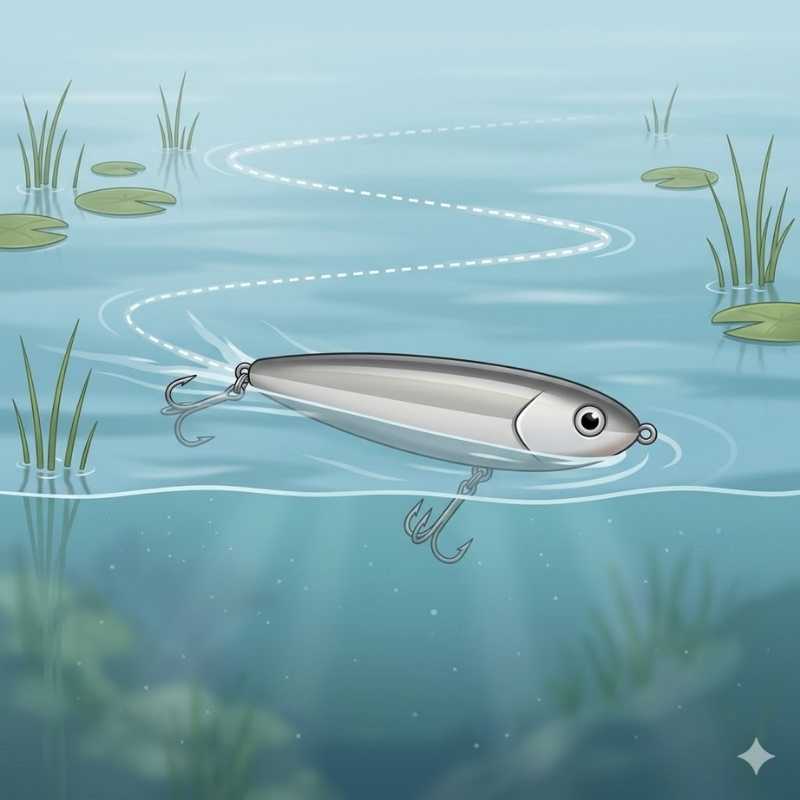
Heddon Super Spook
The benchmark walking topwater — long casts and big bites.
Low-light, calm surface — walk the dog over open water.
As an Amazon Associate I earn from qualifying purchases.
Alternative Options
- River2Sea Whopper Plopper →Alternative
- Berkley Choppo →Budget
Megabass Vision 110
Industry-standard suspending jerkbait for cold-water bass.
Cold, clear water — long pauses near rock and points.
As an Amazon Associate I earn from qualifying purchases.
Alternative Options
- Rapala Shadow Rap →Alternative
Keep profiles in the 3- to 5-inch range. Match the chrome flash — white, pearl, sexy shad, ghost minnow. Speed is your friend in summer and fall. For the shad spawn window specifically, read our shad spawn bass fishing patterns guide.
Best Lures for Gizzard Shad Lakes
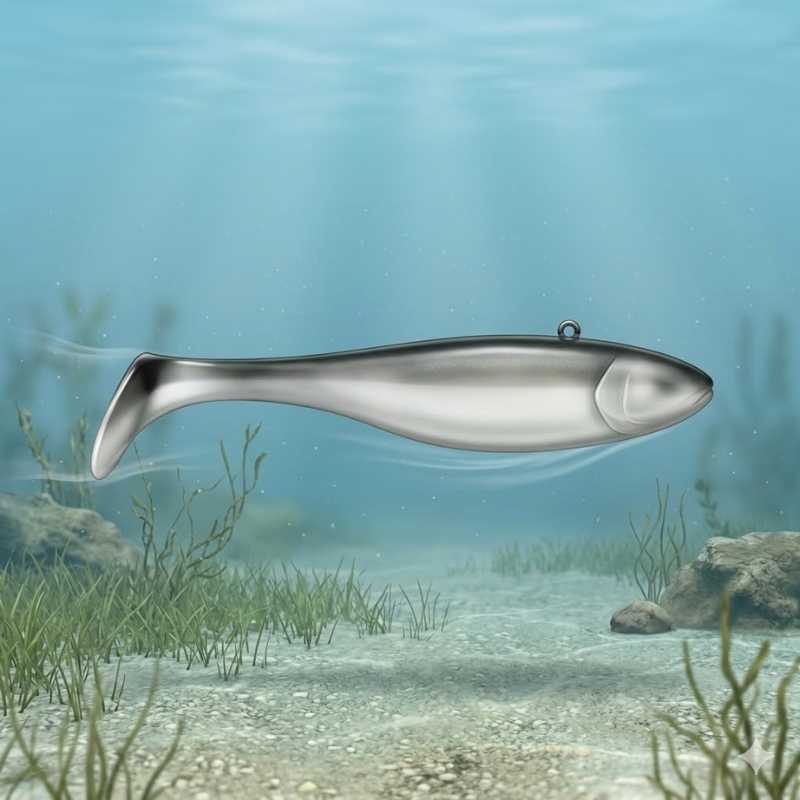
Keitech Swing Impact FAT
Best-in-class paddle-tail action for any swimbait rig.
Imitate shad — steady retrieve over points, flats, and drops.
As an Amazon Associate I earn from qualifying purchases.
Alternative Options
- Berkley PowerBait CullShad →Alternative
- Strike King Rage Swimmer →Budget
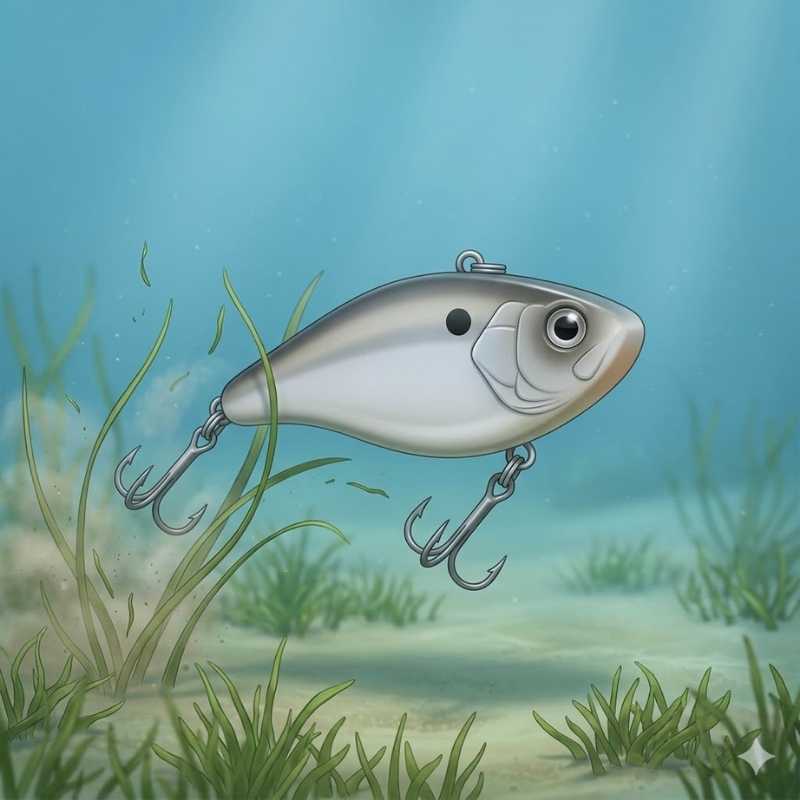
Damiki Vault Blade Bait
Tight vibration — an ideal winter vertical blade.
Cold water on deep structure — short rips with long pauses.
As an Amazon Associate I earn from qualifying purchases.
Alternative Options
- Steel Shad →Alternative
- Heddon Sonar Flash →Budget
Dirty Jigs Guppy Football Jig
Premium football head built for rock and gravel.
Offshore rock and gravel — slow drag with long pauses.
As an Amazon Associate I earn from qualifying purchases.
Alternative Options
- Strike King Tour Grade Football →Alternative
Upsize. A 6- to 8-inch glide bait, 1-ounce magnum spoon, or oversized swimbait gets noticed. In cold water, blade baits and jigging spoons fished vertically under dying-bait clouds are nearly automatic. Profile matters more than color because bass are choosing prey by silhouette from below.
Common Angler Mistakes
- Throwing the same 3.5-inch swimbait on every lake regardless of forage class.
- Ignoring the winter shad kill on threadfin lakes — it's one of the year's biggest feeds.
- Burning lures past gizzard-fed bass that want a slow, big-profile presentation.
- Skipping the graph. Five minutes idling a main-lake point tells you exactly which species is on the bank.
- Matching color obsessively while ignoring profile, the variable that actually matters most to a gizzard-fed bass.
Seasonal Adjustments
Spring: bass eat both, but threadfin spawn earlier and pull fish shallow first. Watch surface temps and bank type. Summer: split the difference — threadfin near the bank at first light, gizzards offshore by mid-morning. Pair this with the thermocline guide. Fall: threadfin migration drives the bite. Winter: shift entirely to gizzard logic on gizzard lakes — slow, big, vertical. For the broader seasonal arc, see our seasonal bass patterns guide.