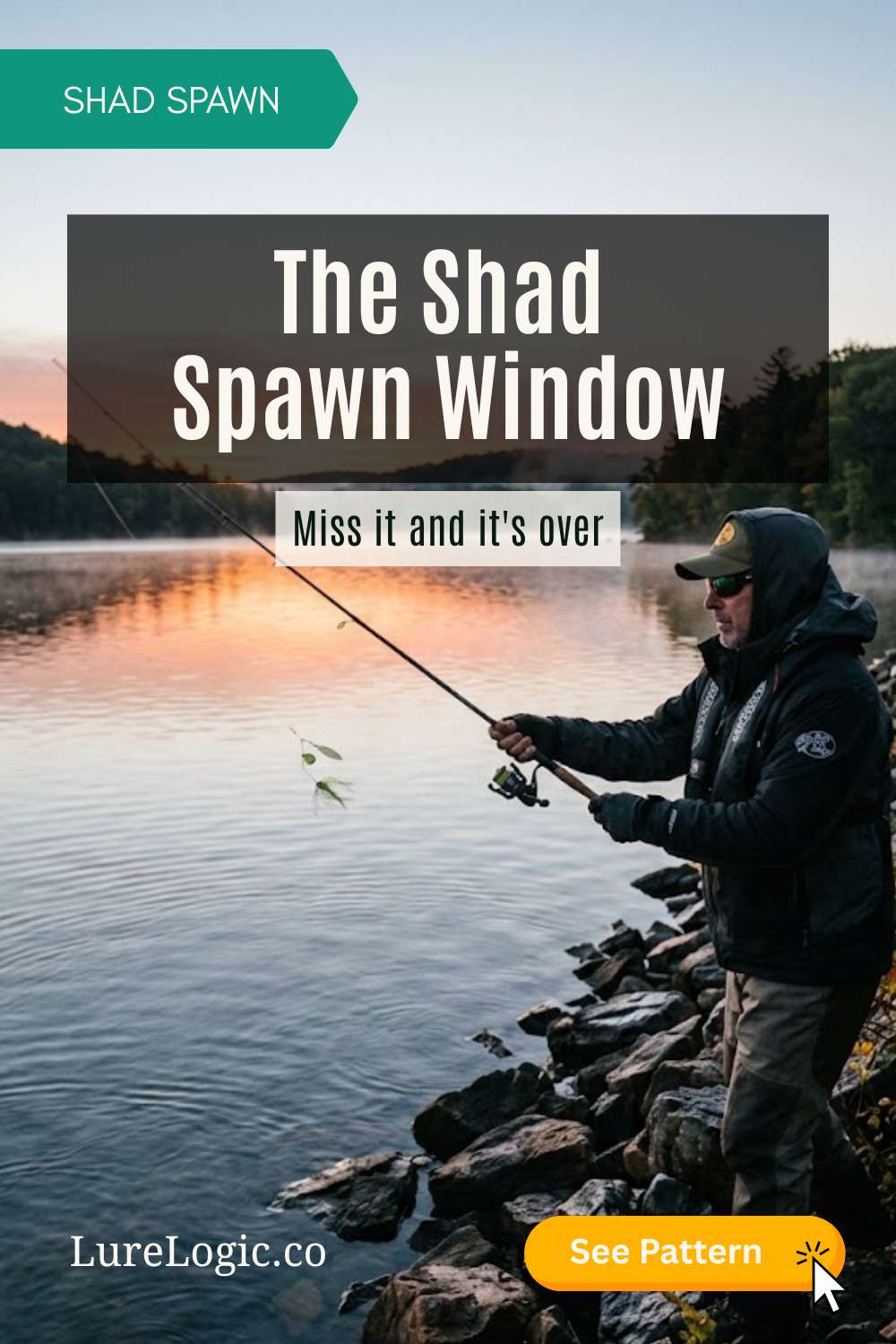
What Triggers The Shad Spawn
Two forces sync up: water temperature and photoperiod. Threadfin shad spawn when surface temperatures hit roughly 65°F and continue through the mid-70s; gizzards overlap on the same temperature window. Daylight length keys the readiness, and a stable two- or three-day stretch of mild weather pulls the trigger. Once it starts, it runs every morning for a few weeks until temperatures climb past the mid-70s and the spawn winds down. For the broader temperature framework, see best bass lures by water temperature.
The spawn is concentrated in the first 30 to 90 minutes of daylight. Shad need low light to feel safe enough to push against the bank. Once direct sunlight hits the water, they retreat. This is why pre-dawn arrival on a known spawning bank is the single most important variable in fishing the event.
Why Bass Ambush During The Spawn
During a normal morning, bass have to hunt scattered, mobile bait across structure. During a shad spawn, the bait comes to them — densely, predictably, against hard cover, in low light, distracted by reproduction. Strike windows are short, but bass don't have to chase. Many of the biggest females of the year get caught during this window because they're stacking calories without expending energy. The event sits inside the broader pattern in how bass follow baitfish movement, but compressed into a single hour each day.
Post-spawn females key on this event especially hard. They've burned reserves laying eggs and need to recover weight quickly, so a heavy shad spawn a few weeks after the bass spawn is when those big fish reappear shallow and feed aggressively — often the easiest shot at a lake's biggest bass all spring.
Highest Percentage Cover
Shad need vertical or near-vertical hard surfaces to deposit adhesive eggs. That narrows the cover list significantly:
- Riprap — bridge causeways, dam faces, and rocked banks. The single most reliable cover type for the event.
- Seawalls — vertical concrete or wood. Major fish producers around docks and lake homes.
- Boat dock floats and posts — especially styrofoam pontoon floats and aluminum dock framing.
- Bridge pilings — vertical columns concentrate both bait and bass.
- Standing timber — vertical trees on hard bottom hold spawning shad in some reservoirs.
- Buoy lines and marker poles — anywhere a vertical surface meets the upper foot of water.
Soft mud banks, open sandy flats, and gradual-tapering pebble shorelines don't produce spawning shad. Pass them and stay on the hard vertical edges.
Boat Docks And Riprap
Two cover types deserve special attention. Boat docks function as artificial reefs during the spawn — floats provide vertical surface, the dock provides shade for retreating shad once light hits, and the surrounding water column holds chasing bass. Fish them parallel to the float line, then pick apart corners and walkways. Riprap fishes differently — bass position 2 to 8 feet off the rock and the spawn happens along the entire face. Cover ground with a moving bait and let the spinnerbait or chatterbait pull bass off the rock. For dock-specific patterns later in the year, see summer bass fishing on docks.
Wind Effects
Wind is a major modifier. Light wind on a spawning bank extends the bite — surface chop blocks light and keeps shad up longer. A flat, glassy morning often produces a 20-minute window before the spawn ends. Heavy wind blowing into the spawning bank can suppress the event entirely, but a cross-wind that keeps a riffle on the surface without dislodging shad is ideal. See how wind affects bass positioning for the full wind framework, and wind, shad, and bass ambush zones for the broader shad-positioning rule.
Best Lures
The short list is genuinely short. The bait is white, 2–4 inches long, suspended right against hard cover, and moving fast. Match all four variables.
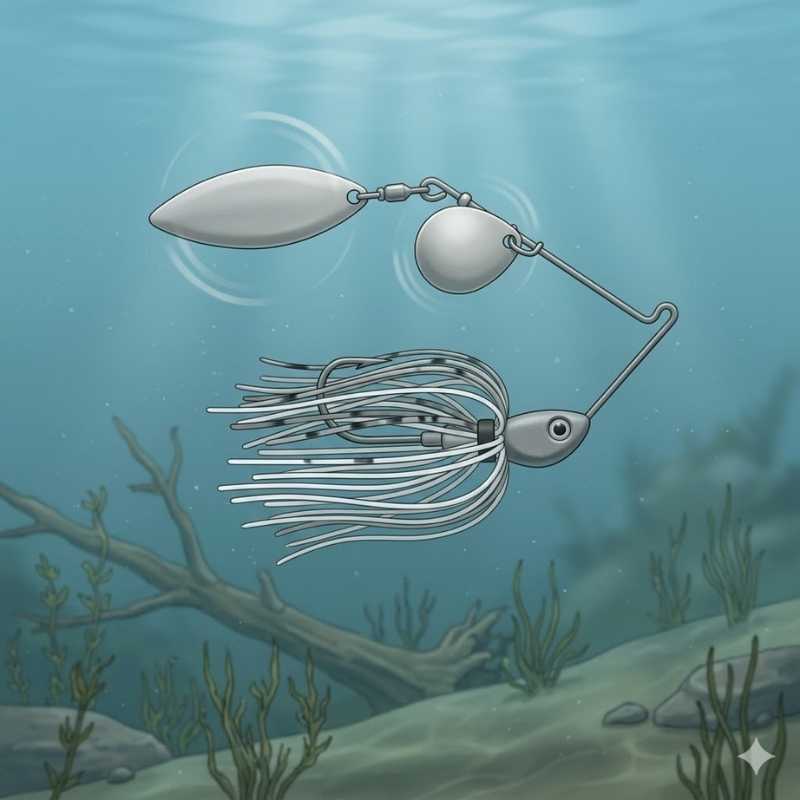
War Eagle Spinnerbait
Classic Colorado/willow combo for windy banks and stained water.
Windy banks and stained water — burn it parallel to cover.
As an Amazon Associate I earn from qualifying purchases.
Alternative Options
- Luck E Strike Legends Spinner Bait →Alternative
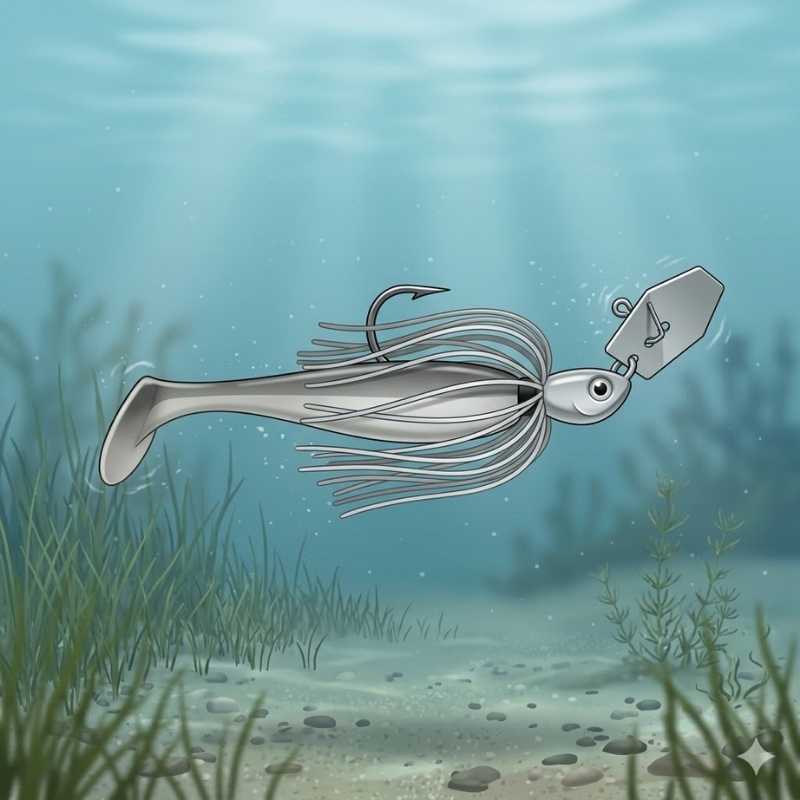
Z-Man JackHammer ChatterBait
The benchmark bladed jig — premium hardware and perfect vibration.
Stained water, wind, scattered grass — moderate-paced reaction bait.
As an Amazon Associate I earn from qualifying purchases.
Alternative Options
- Strike King Thunder Cricket →Alternative
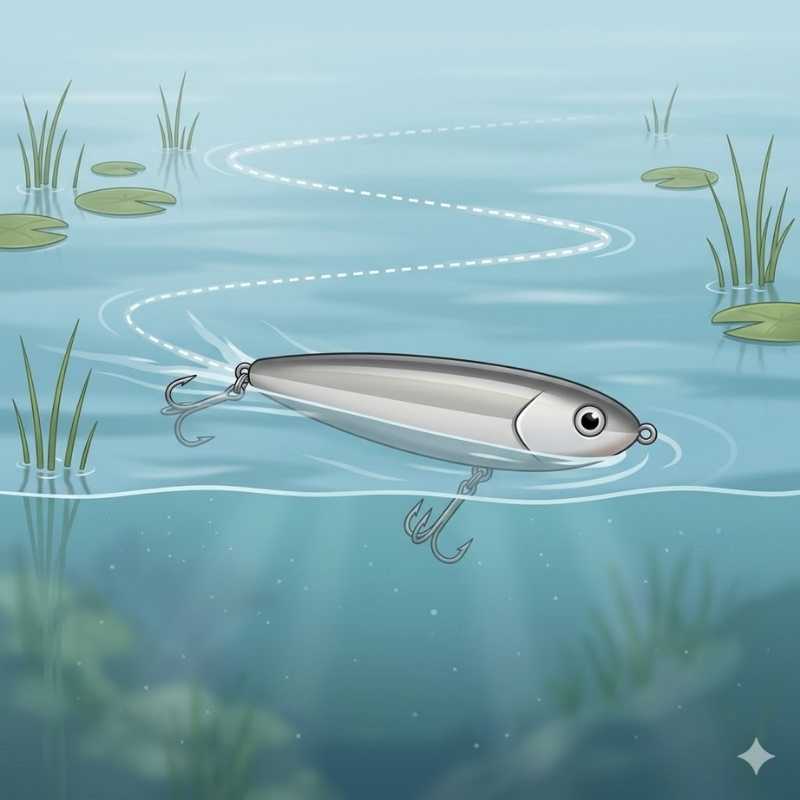
Heddon Super Spook
The benchmark walking topwater — long casts and big bites.
Low-light, calm surface — walk the dog over open water.
As an Amazon Associate I earn from qualifying purchases.
Alternative Options
- River2Sea Whopper Plopper →Alternative
- Berkley Choppo →Budget
Strike King KVD 1.5
Deflects off cover like nothing else — the go-to shallow crank.
Shallow wood and rock — make it deflect off cover.
As an Amazon Associate I earn from qualifying purchases.
Alternative Options
- Lucky Craft LC 1.5 →Alternative
Color rule: white, pearl, or white/chartreuse. Skip natural shad patterns and dark colors. The bait should flash, displace water, and look like one more spawning shad. For deeper color logic, see best spinnerbait colors.
Boat Positioning And Casting Angles
The most common presentation error is sitting too far off the bank and casting straight into it. Spawning shad are within inches of the hard surface and bass track parallel to that surface, so the right cast keeps the bait tight to the wall for as long as possible.
- Hold the boat 15 to 25 feet off and cast down the bank, not into it.
- Keep the bait within a foot of rock, concrete, or wood the entire retrieve.
- Burn it during the first 30 minutes of light — bass want a fast reaction strike while bait is flickering everywhere.
- Slow down as the sun climbs. A swim jig or walking bait outproduces a burning spinnerbait once the flicker thins out.
- Stay quiet on the trolling motor. Fish are in inches of water and spook easily.
Timing Windows
Be on a confirmed spawning bank 30 minutes before legal sunrise. The event typically runs 30 minutes to 2 hours from first gray light. Once the bite dies, run to a second bank that gets sunlight later (east-facing banks first, west-facing banks last). On overcast mornings the window often extends 2–3 hours; bluebird mornings compress it. After the morning event ends, bass slide back to main-lake points and stage for the next morning.
Common Mistakes
- Arriving at 8 AM. The best window is usually already over.
- Fishing the wrong cover. Soft mud banks don't hold spawning shad regardless of what time you're there.
- Slowing down. The shad spawn is a high-speed reaction bite, not a finesse event.
- Throwing dark colors. White, white, white.
- Burning gas chasing boils. Stay on a confirmed bank — boils move, the bank doesn't.
- Quitting after one bank dies. Run east-to-west to chase the shade line.
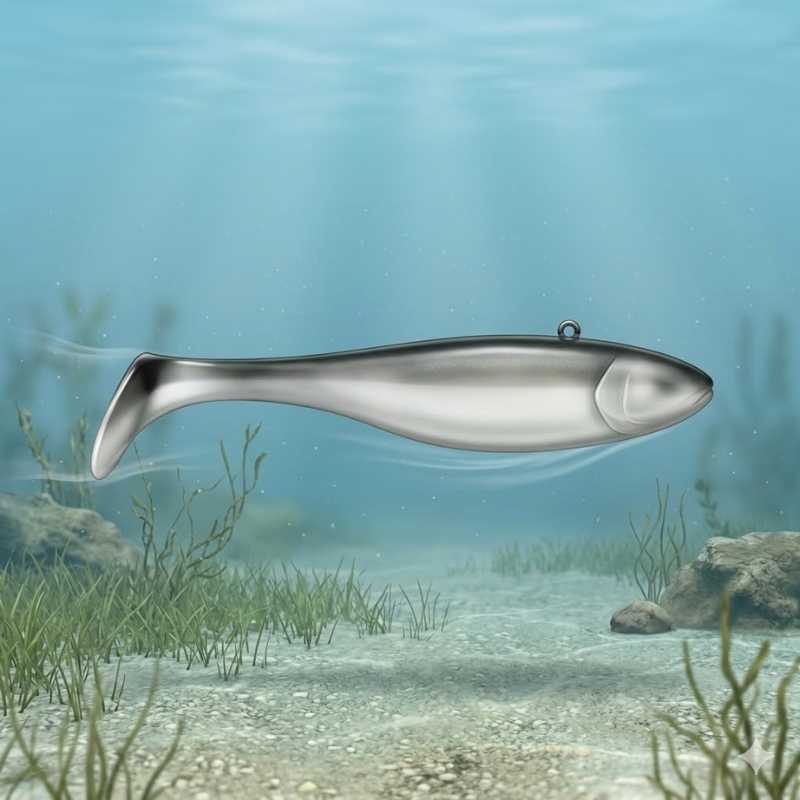
- Throwing the wrong size. A 7-inch swimbait is the wrong profile even though it's a good bait — match the 3- to 5-inch shad.
Pattern Exceptions
Some lakes have a delayed or doubled shad spawn. Highland reservoirs with cold inflows may see threadfin spawning in mid-river arms two weeks after the lower lake. Hydrilla-heavy lakes often produce a second wave of bait holding to grass mats instead of riprap — fish those mats with a frog or swim jig.
When The Pattern Ends
The spawn winds down as surface temperatures climb past the mid-70s and the morning flickers on the rock disappear. When you stop seeing bait on the wall at dawn, the event is over for the year and bass shift to following shad pods on points, humps, and channel edges. From there the same fish slide into the patterns covered in the post-spawn bass fishing guide, with summer topwater owning the low-light windows and offshore structure taking over the daytime game. For the suspension behavior that follows, see why bass suspend during seasonal transitions.