Why Transition Periods Are Difficult
A stable pattern means bass are using one set of structure, one preferred depth, and one or two reliable lure categories. Find that combination and you'll catch fish for weeks. A transition breaks all three at once. Bass leave the old structure before fully committing to the new structure, suspend on the route between, and often won't eat the lure that produced last week. The water temperature is changing, oxygen profiles are reshuffling, and the forage base is on its own migration. Three or four variables move at the same time, and the angler who tries to catch fish using last month's playbook misses the entire window.
The fix is to think in terms of movement corridors rather than spots. Bass move along predictable routes — creek channels, secondary points, transition banks — and the angler who fishes the corridor instead of the destination catches the most fish during a transition. For the structural backbone of those corridors, see creek channel bass positioning and why bass relocate to transition banks.
Prespawn to Spawn
The first major transition of the year. Bass move from deep winter holes (20–40 feet) to staging areas (8–15 feet) to spawning flats (1–5 feet) over a 3–6 week window driven by water temperature. The transition is least predictable in the middle stage — fish that staged on a secondary point all week will be on the spawning flat the next morning if a warm front pushes water through 62°F.
The best way to stay with the migration is to identify the route: deep wintering area → first secondary point → staging bank → spawning flat. Fish the route from deep to shallow on a single trip and you'll find which segment is currently loaded. Sun-facing pockets warm first, so the same lake can be in three different transition stages at once. For the full breakdown see pre-spawn bass fishing lures.
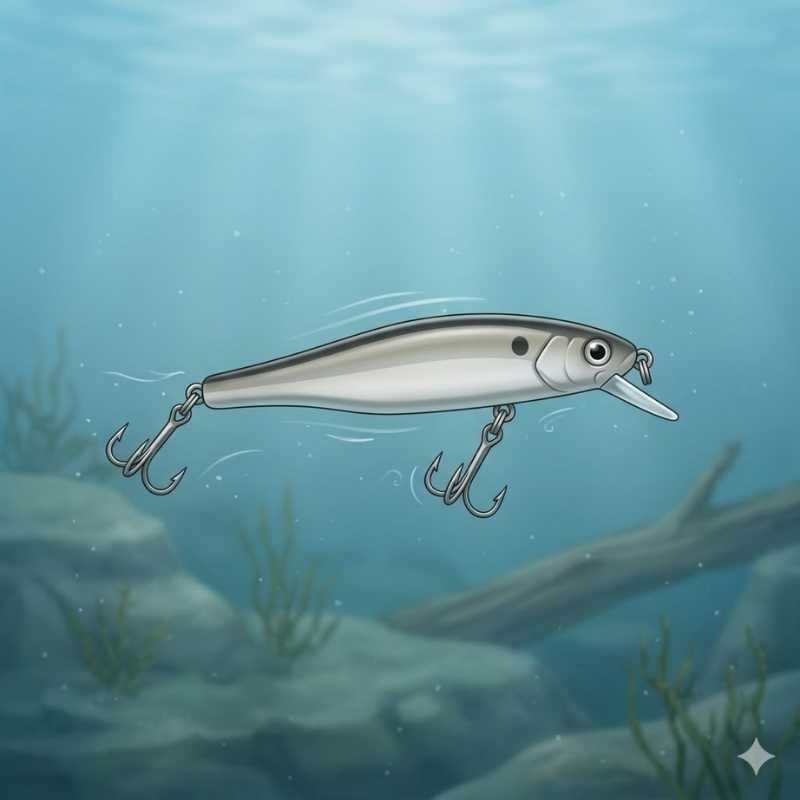
Megabass Vision 110
Industry-standard suspending jerkbait for cold-water bass.
Cold, clear water — long pauses near rock and points.
As an Amazon Associate I earn from qualifying purchases.
Alternative Options
- Rapala Shadow Rap →Alternative
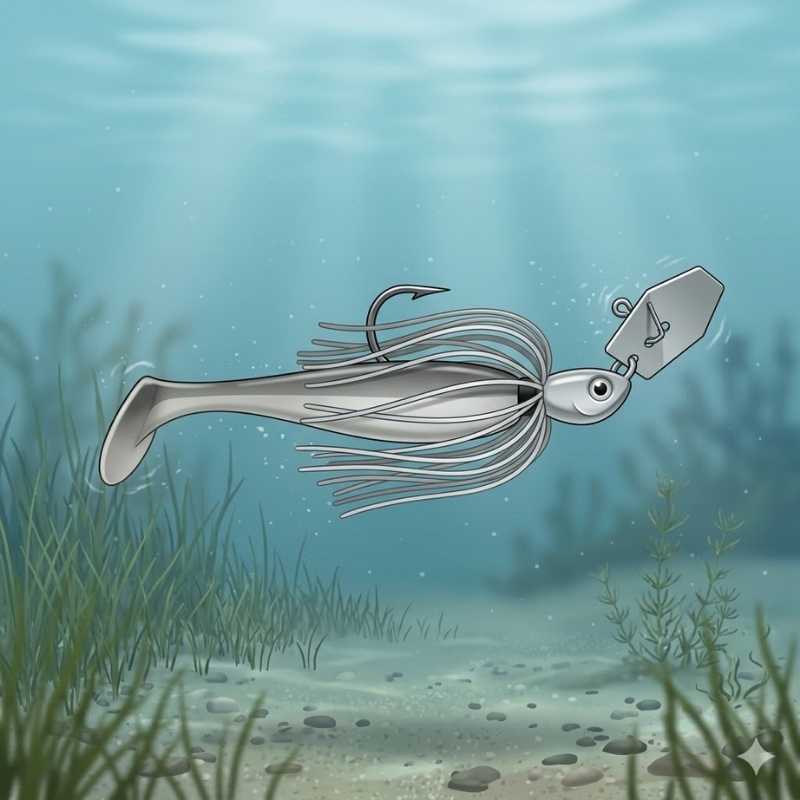
Z-Man JackHammer ChatterBait
The benchmark bladed jig — premium hardware and perfect vibration.
Stained water, wind, scattered grass — moderate-paced reaction bait.
As an Amazon Associate I earn from qualifying purchases.
Alternative Options
- Strike King Thunder Cricket →Alternative
Spawn to Postspawn
The toughest transition for many anglers. Females recover from the spawn for 7–14 days in low-effort water — suspended around submerged trees, hanging on the first major break off spawning flats, or sitting under boat docks. They eat lightly. Males stay shallow guarding fry for 2–3 weeks and feed aggressively but on smaller baits.
The result is two completely different patterns coexisting on the same lake. The recovering females are caught on slow finesse presentations — wacky-rigged senkos, weightless flukes, dropshots near suspended cover. The fry-guarding males eat small topwaters, squarebills, and walking baits that mimic threats to the fry. For bluegill-driven postspawn positioning see post spawn bluegill behavior and bass positioning.
Roboworm Straight Tail
Industry-standard dropshot worm — subtle and proven.
Pressured or deep clear water — vertical shake on rock with a slim worm.
As an Amazon Associate I earn from qualifying purchases.
Alternative Options
- Berkley Bottom Hopper →Alternative
- Berkley MaxScent Flatworm →Budget
Heddon Super Spook
The benchmark walking topwater — long casts and big bites.
Low-light, calm surface — walk the dog over open water.
As an Amazon Associate I earn from qualifying purchases.
Alternative Options
- River2Sea Whopper Plopper →Alternative
- Berkley Choppo →Budget
Summer to Fall
The easiest transition to fish — and often the most productive 30-day stretch of the year. As surface temperatures drop from the upper 80s back through the 70s, the thermocline weakens and eventually disappears. Shad migrate out of main-lake basins and into the back of creek arms. Bass follow the shad up the creeks and feed heavily to add fat before winter.
The pattern moves predictably from the mouth of creeks to the back over 3–4 weeks. Locate the bait wave by idling up a creek until you see bait on the graph, then fish the next 200 yards of shoreline structure aggressively. Chatterbaits, spinnerbaits, walking topwater, and squarebills all produce. The shad migration is the engine — see how bass follow baitfish movement and fall bass fishing bait guide.
Strike King KVD 1.5
Deflects off cover like nothing else — the go-to shallow crank.
Shallow wood and rock — make it deflect off cover.
As an Amazon Associate I earn from qualifying purchases.
Alternative Options
- Lucky Craft LC 1.5 →Alternative
War Eagle Spinnerbait
Classic Colorado/willow combo for windy banks and stained water.
Windy banks and stained water — burn it parallel to cover.
As an Amazon Associate I earn from qualifying purchases.
Alternative Options
- Luck E Strike Legends Spinner Bait →Alternative
Fall to Winter
The compression transition. Water temperatures drop through the 50s into the 40s over a few weeks, the shad migration finishes, and bass pull back out of the creek arms toward deeper main-lake structure. The transition usually finishes quickly because once temperatures hit the mid-40s, metabolism drops far enough that fish commit to winter positions for months.
The middle stage often happens in 7–10 days — bass leave the backs of creeks and stack on the first major points and channel swings between the creek and the main lake. Jerkbaits, blade baits, and football jigs catch fish through this window. Lake turnover may complicate the early portion; see why lake turnover shuts the bite down.
Megabass Vision 110
Industry-standard suspending jerkbait for cold-water bass.
Cold, clear water — long pauses near rock and points.
As an Amazon Associate I earn from qualifying purchases.
Alternative Options
- Rapala Shadow Rap →Alternative
Damiki Vault Blade Bait
Tight vibration — an ideal winter vertical blade.
Cold water on deep structure — short rips with long pauses.
As an Amazon Associate I earn from qualifying purchases.
Alternative Options
- Steel Shad →Alternative
- Heddon Sonar Flash →Budget
Following Baitfish
Every transition is fundamentally a forage movement event. Shad reposition first, bass follow. Locate the bait and you've solved 80% of the transition problem. Practical methods:
- Idle slowly along migration corridors (creek channels, secondary points) and watch electronics for bait pods.
- Look for bird activity — gulls, terns, herons all key on shallow bait migrations.
- Note where you see surface activity at dawn — that's where bait was overnight, and bass aren't far away.
- Check the depth bait is holding at and match your lure's running depth to that band.
The vertical component matters too — shad shift depth daily during transitions, not just seasonally. See baitfish depth changes and bass positioning.
Structure Selection
Structure during a transition needs to combine two features: a hard edge that bass can hold to, and direct access to deeper or shallower water depending on which direction the migration is moving. Three structure types that always produce during transitions:
- Secondary points — connect spawning pockets to deeper main-lake water. The single most productive transition structure on any reservoir.
- Creek channel bends — natural funnels that concentrate bait moving up or down the creek.
- Transition banks — substrate changes (rock to clay, clay to mud) where bass stage between depths.
For the broader structural framework see bass fishing points and transition banks.
Lure Adjustments
Transition lure selection follows two rules: cover multiple depths in one cast, and trigger reaction strikes instead of relying on commitment feeding. Bass in transition often aren't fully feeding — they're moving — and a reaction bait pulled through their face triggers a strike a slow presentation won't get.
- Jerkbaits — perfect for transitions because they suspend in the upper 4–8 feet and can be paused at any depth.
- Chatterbaits and spinnerbaits — cover 1–8 feet with a single cast and trigger fish that aren't actively feeding.
- Squarebill crankbaits — best when transition bass are pinned to shallow hard cover during a temperature shift.
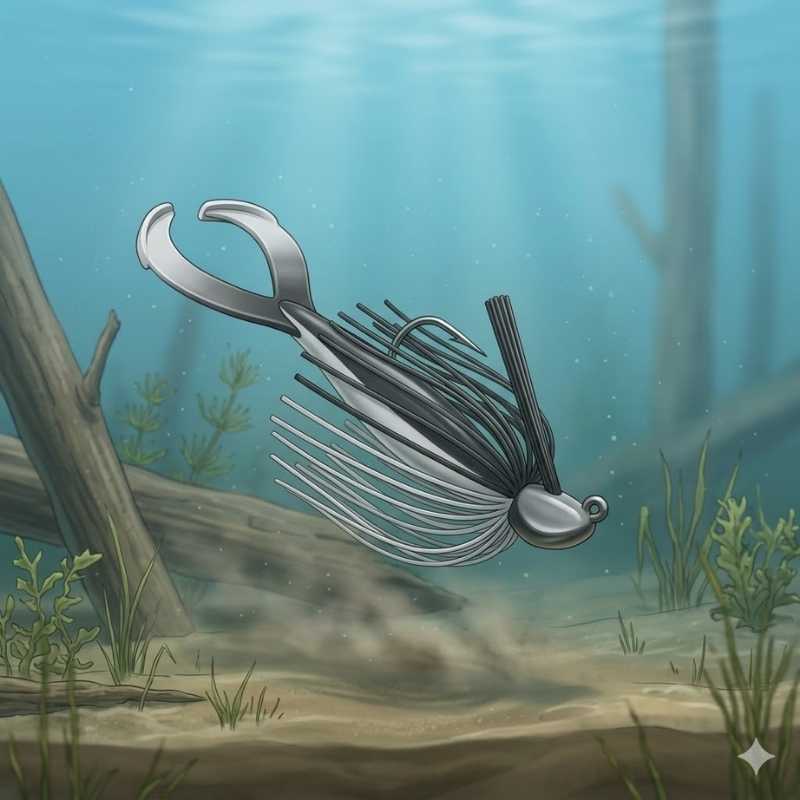
- Drop shot and shaky head — for the moments when transition bass have stacked on a specific piece of structure but are eating lightly. The slow-down option.
For category-by-category guidance see bass lure selection: the complete guide.
Reading The Lake During A Transition
Before each trip during a transition, check three pieces of information: surface temperature trend over the previous week, water level trend, and the location of the most recent bait you marked. Compare to the previous trip. If temperature dropped 3°F, bass moved deeper or pulled out of the back of the creek. If temperature climbed 3°F, they pushed shallower. If bait moved 100 yards up the creek, bass are 100 yards up the creek too. The transition is rarely random — it's driven by variables you can measure and stay ahead of. The angler who treats every trip as a new puzzle catches fewer fish than the angler who maintains a running model of where bait, temperature, and structure intersect.