Dawn Feeding Windows
At first light, threadfin shad, blueback herring, and most other open-water baitfish are shallow — sometimes within inches of the surface. The reason is plankton. Phytoplankton spent the night near the surface (no sun, no UV pressure), zooplankton followed to feed on them, and the shad followed the zooplankton. Bass know the chain and stage where the shad will be at first light: on main-lake points adjacent to deep water, on long flats off creek mouths, and along the upwind side of any wind-stacked bank. This is the topwater window — see our early morning bass lures guide for the full lure breakdown and how bass follow baitfish movement for the bigger seasonal picture.
Morning Transition
Within 60 to 90 minutes of full daylight, the entire chain starts to slide deeper. Plankton drops to escape UV, zooplankton follows, shad follows, and bass reposition with them. This is when the topwater bite dies and most anglers think the day is over. It isn't — the fish just moved 8 to 15 feet down. Switch to mid-column moving baits and target the 6- to 15-foot transition zone on the same structure where you had the topwater bite. The bait is still there, just lower.
This is where forage selection matters. If gizzard shad are the dominant forage rather than threadfin, the daily cycle is less dramatic — gizzards roam shallower longer and stay near structure. The full distinction is in our threadfin shad vs gizzard shad guide.
Midday Depth Migration
By late morning to early afternoon, bait has dropped to its summer holding depth — typically just above the thermocline (15 to 22 feet on most Southern reservoirs) or on the shaded side of deep structure. Bass stack with them. This is the offshore midday pattern: hard-bottom points, channel swings, brush piles in 18 to 25 feet, and humps that top out above the productive layer. The thermocline framework that controls all of this is covered in our dedicated thermocline bass fishing guide.
Anglers who don't have electronics frequently miss this entirely and assume midday is dead. It isn't — it's the easiest bite of the day if you know what depth to fish. The general midday playbook lives in summer midday bass fishing.
Evening Return Movement
Two to three hours before sunset, the whole cycle reverses. Light fades, UV pressure drops, plankton rises, and bait climbs back up the water column. By the last 45 minutes of light, surface activity is back. Topwater fires again on the same points and flats that produced at dawn. Bass typically feed harder in the evening than the morning because they've spent the midday in a low-aggression suspending pattern and the late push triggers competition. The full evening window framework ties directly into our summer topwater bass fishing guide.
Cloud Cover Effects
Heavy overcast extends the shallow window dramatically. Without bright sun pushing plankton down, the entire chain stays shallow for hours longer. A cloudy summer day can produce shallow reaction-bait fishing from sunrise through 1 or 2 PM, instead of the typical 90-minute window. For the broader light-driven framework, read our bass fishing overcast days guide.
The opposite is also true: bluebird-sky days with cloudless 90-degree sun push the chain deeper faster. The morning window shortens and the offshore midday pattern starts earlier and lasts longer. Adjust your rotation accordingly.
Wind Effects
Wind disrupts the vertical cycle by mixing the surface, stirring plankton, and pushing bait laterally rather than vertically. A windy day can suspend the normal "shallow at dawn, deep at midday" pattern entirely. Instead, baitfish (and bass) stack on the windward bank or windward point regardless of time of day. The wind-driven framework is detailed in how wind affects bass positioning and how wind pushes shad into ambush zones. Wind always wins over the daily cycle — if it's blowing, fish the wind.
Seasonal Exceptions
The daily depth cycle is most pronounced in summer when stratification compresses the available habitat. In other seasons it shifts:
- Spring: The shad spawn dominates and bait stays shallow on hard banks all morning rather than dropping. Read our shad spawn bass fishing patterns guide for the spring playbook.
- Fall: Bait piles into creeks and the daily depth migration is replaced by a horizontal migration upstream. Bass follow into shallower creek arms regardless of time of day.
- Winter: Cold water suppresses plankton activity. The daily cycle compresses into a midday feeding window when surface temperatures peak slightly. Bait and bass both ride that small window.
Matching Lure Depth to Forage Depth
The whole reason to track baitfish depth is to put your lure in the strike zone. The rotation looks like this:
Heddon Super Spook
The benchmark walking topwater — long casts and big bites.
Low-light, calm surface — walk the dog over open water.
As an Amazon Associate I earn from qualifying purchases.
Alternative Options
- River2Sea Whopper Plopper →Alternative
- Berkley Choppo →Budget
War Eagle Spinnerbait
Classic Colorado/willow combo for windy banks and stained water.
Windy banks and stained water — burn it parallel to cover.
As an Amazon Associate I earn from qualifying purchases.
Alternative Options
- Luck E Strike Legends Spinner Bait →Alternative
Keitech Swing Impact FAT
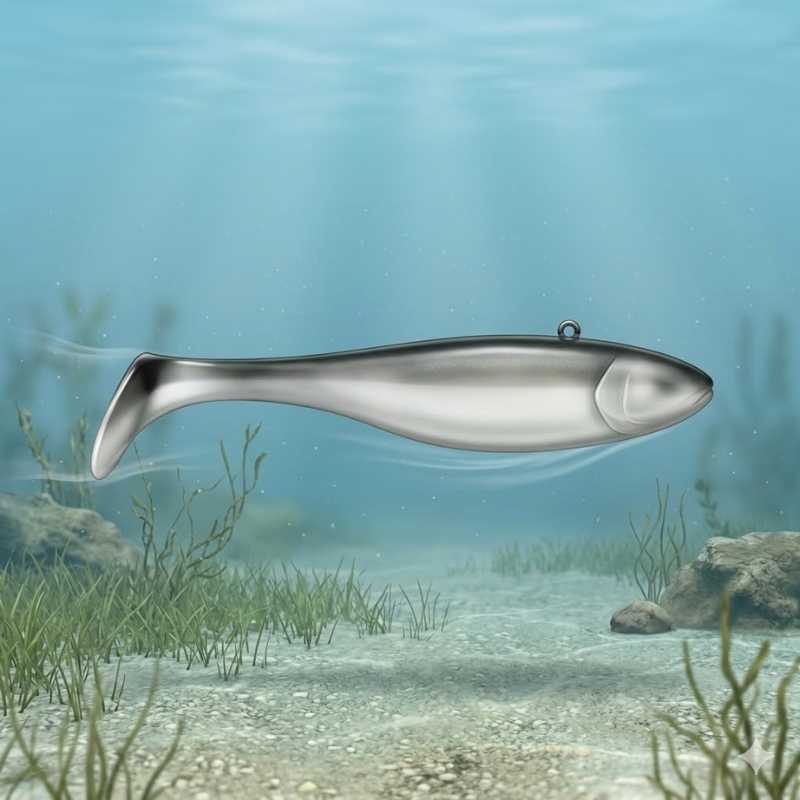
Best-in-class paddle-tail action for any swimbait rig.
Imitate shad — steady retrieve over points, flats, and drops.
As an Amazon Associate I earn from qualifying purchases.
Alternative Options
- Berkley PowerBait CullShad →Alternative
- Strike King Rage Swimmer →Budget
Roboworm Straight Tail
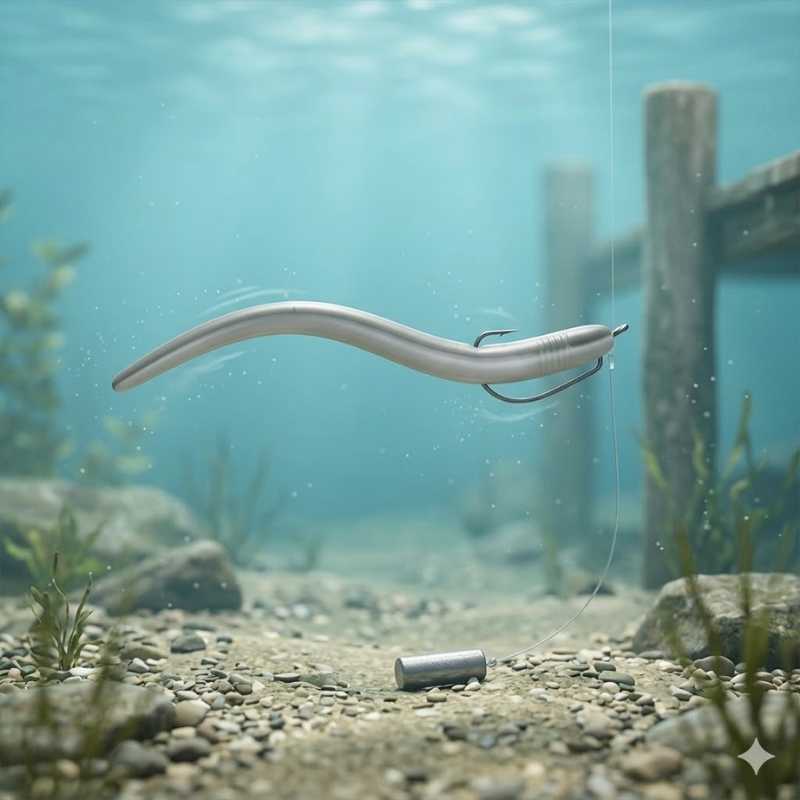
Industry-standard dropshot worm — subtle and proven.
Pressured or deep clear water — vertical shake on rock with a slim worm.
As an Amazon Associate I earn from qualifying purchases.
Alternative Options
- Berkley Bottom Hopper →Alternative
- Berkley MaxScent Flatworm →Budget
- Dawn (0 to 3 feet): walking topwaters, poppers, hollow-body frogs over grass.
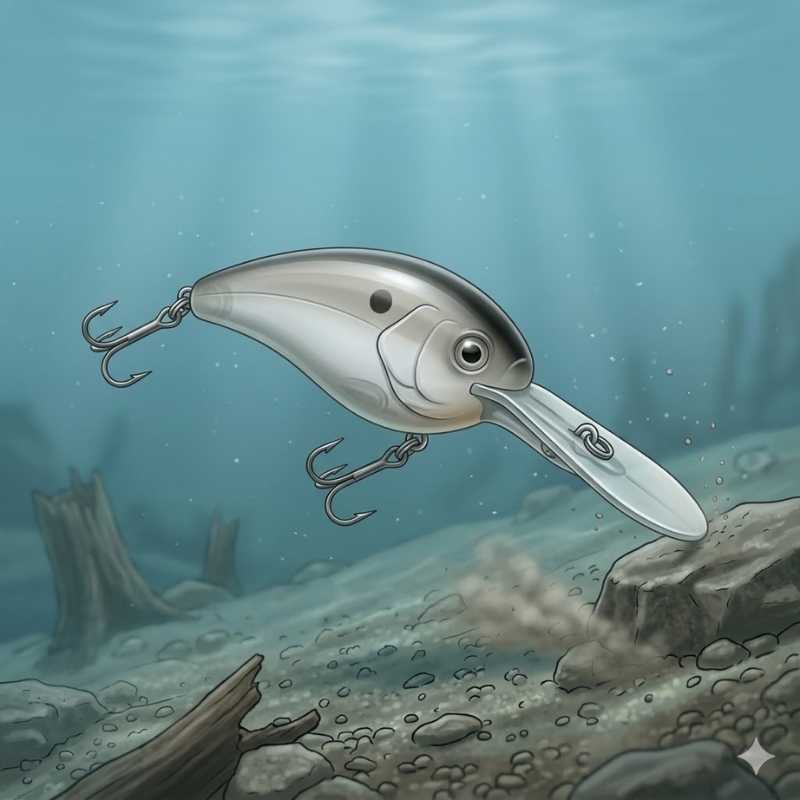
- Morning transition (4 to 12 feet): spinnerbaits, squarebill cranks, chatterbaits, soft jerkbaits weighted slightly.
- Midday (15 to 22 feet, above thermocline): deep cranks, swimbaits on heavy heads, drop shots on brush, football jigs on hard structure.
- Evening (back to 0 to 6 feet): walking topwaters, swimbaits, buzzbaits over grass.
If your sonar shows bait at 14 feet, throw a bait that runs at 14 feet. That's it. The fanciest pattern in bass fishing is just matching the depth of the food chain. Layer the temperature framework from our best bass lures by water temperature guide on top, and you have a complete daily plan from sunrise to dark.