What turnover actually is
Through summer, a reservoir stratifies into three layers: warm oxygenated water on top, a thin thermocline in the middle, and cold oxygen-starved water below. The bottom layer accumulates decomposing organic matter and runs critically low on dissolved oxygen by late summer. As fall nights cool the surface, the top layer eventually drops below the temperature of the thermocline. Denser cold water on top sinks; warm water rises; the layers collapse into each other.
That collapse is turnover. The deep, oxygen-depleted bottom water mixes upward, briefly dragging dissolved oxygen across the entire lake to dangerously low levels. Bait scatters out of stress. Bass scatter chasing the bait — and chasing oxygen.
Why the bite tanks
- Oxygen crash — until the whole lake re-equilibrates, dissolved oxygen briefly drops below the comfort zone for most fish.
- Bait disperses — the tight shad balls that stacked on the thermocline through August suddenly aren't there. Bass have nothing to corner.
- Stained water — sediment from the bottom mixes up, especially in deep coves and behind dams. Clear lakes go off-color overnight.
- Smell change — decomposing matter that's been trapped below the thermocline rises. You can sometimes smell sulfur in deep pockets.
- Loss of structure logic — the depth pattern that held all summer no longer works because the thermocline doesn't exist.
How to recognize turnover on the water
Most anglers blame a cold front or fishing pressure when they're really fishing through turnover. The signs are subtle:
- Foam lines and rafts of floating debris on calm water.
- Deep coves that were gin-clear a week ago now milky or stained.
- A faint sulfur or "lake bottom" smell near deep water.
- Vegetation suddenly floating up after weeks underwater.
- Sonar that was loaded with bait and arches showing almost nothing across the same structure.
- Surface temperature within a degree or two of bottom temperature 20 feet down.
Where bass actually go during turnover
Because the offshore comfort zone temporarily disappears, bass push to the most stable environments on the lake — typically shallow water near current or vegetation, where oxygen stays consistent. Productive water during turnover:
- Major creek arms with current — moving water re-oxygenates faster than stagnant water.
- Shallow cover in the back third of creeks — wood, docks, and grass in 2 to 6 feet.
- The river end of the lake — fresher water and current usually escape the worst of the turnover.
- Wind-blown banks — wind temporarily re-oxygenates the surface layer and pulls bait back to predictable spots.
- Spring-fed coves and tributary mouths — pockets of stable water where bait and bass refuge.
Baits that still produce through turnover
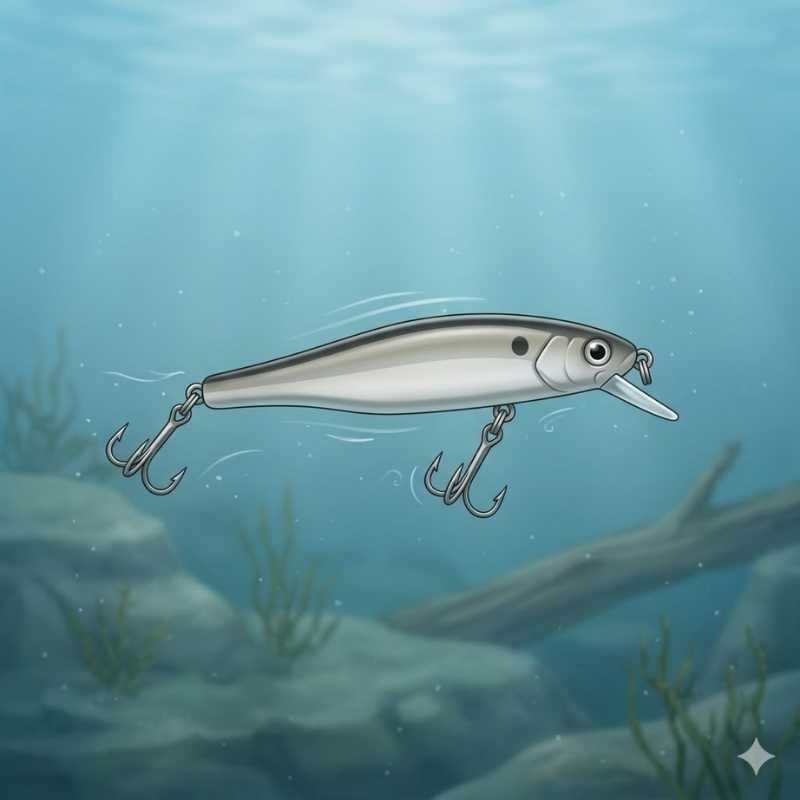
Strike King KVD 1.5
Deflects off cover like nothing else — the go-to shallow crank.
Shallow wood and rock — make it deflect off cover.
As an Amazon Associate I earn from qualifying purchases.
Alternative Options
- Lucky Craft LC 1.5 →Alternative
Strike King Hack Attack Swim Jig
Heavy hook and clean swim through grass.
Grass and docks — clean swim, mimic a cruising bluegill.
As an Amazon Associate I earn from qualifying purchases.
Alternative Options
- Berkley Swim Jig →Alternative
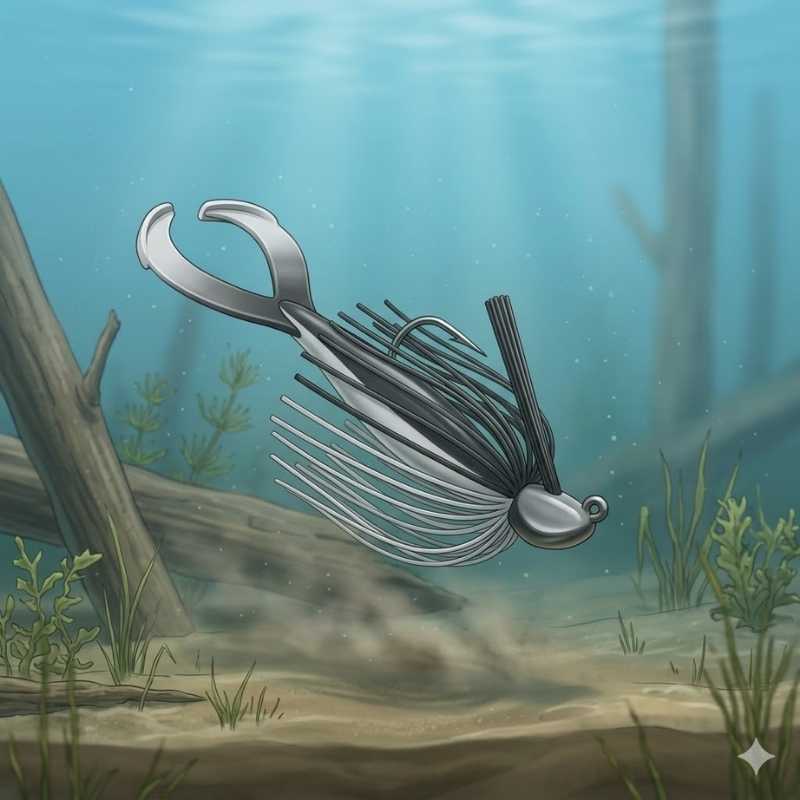
Dirty Jigs Compact Pitchin' Jig
Premium skirt and head shape for pitching tight cover.
Pitch to docks, laydowns, and isolated cover for big fish.
As an Amazon Associate I earn from qualifying purchases.
Alternative Options
- Strike King Structure Jig →Alternative
- Booyah Boo Jig →Budget
Add a chatterbait for grass, a spinnerbait for windy banks, and a Texas rig for any matted cover. The pattern is shallow, slow, and persistent. Forget offshore until water temps stabilize.
Retrieve and presentation
- Squarebill — slow grind, deflect off shallow wood and rock.
- Swim jig — steady through grass at 2 to 4 feet, stop on every contact.
- Flipping jig — pitch to isolated cover and let it sit longer than usual. Strikes come on the second or third hop.
- Chatterbait — slow it down compared to normal, especially in stained water.
- Skip the deep finesse work. Suspended fish during turnover almost never commit.
How long it lasts and how to time around it
Turnover usually completes within 7 to 20 days, depending on lake size and weather. Big, deep reservoirs take longer than small lowland lakes. A few cold nights speed it along; warm Indian-summer afternoons slow it down. The clearest signal that turnover has finished is bait reappearing on offshore structure in concentrated balls again — that's when you can return to fall offshore patterns and the bite reopens hard, often peaking through November.
Mistakes during turnover
- Keeping the boat offshore out of habit when fish have moved shallow.
- Blaming yourself or a cold front for slow days that are actually turnover.
- Refusing to slow down. The bite is there — it's just lethargic and shallow.
- Fishing the lower lake. The river end usually fishes better through turnover.
- Quitting on the lake for a month. The post-turnover bite that follows is one of the best of the year.
For the pattern that takes over once turnover wraps up, see fall bass fishing bait guide. For shallow water tactics that work right now, see shallow water bass lures. For dirty water that often shows up during turnover, see muddy-water lures. For the oxygen and temperature layers behind the whole event, see thermocline bass fishing and the summer oxygen crash, and for where turnover sits in the annual cycle see the seasonal bass patterns guide.