Why summer oxygen crashes
Warm water physically holds less dissolved oxygen than cold water — that's chemistry. On top of that, the thermocline isolates the bottom half of the lake from any surface re-oxygenation. By late July, organic decay below the thermocline has consumed most of the remaining oxygen down there. The hypolimnion becomes uninhabitable. Bass and bait both have to live in the warm, oxygenated top layer — but that top layer is also where photosynthesis surges during the day and crashes overnight, swinging oxygen levels through every 24-hour cycle.
The result is a stressful environment with a narrow margin. Bass are alive everywhere they can breathe; they're feeding aggressively only in the few spots where oxygen levels stay high and bait concentrates.
Where high-oxygen water lives in summer
- Current seams — anywhere moving water enters the lake, dissolved oxygen stays high. River arms, creek mouths, dam tailraces, and pump discharges all hold fish through low-oxygen weeks.
- Wind-blown banks — wind agitation drives oxygen into the surface layer. The windward shore stays oxygenated even on the worst summer days.
- Live vegetation — actively growing grass, lily pads, and hydrilla photosynthesize and pump oxygen into surrounding water. Dying vegetation does the opposite, so look for healthy green growth.
- Spring-fed coves — cool spring water carries higher oxygen and creates microclimates that hold disproportionate numbers of fish.
- Bridges with current — pinch points where flowing water concentrates and oxygenates.
- Riprap on the main lake — when wave action constantly works the rocks, oxygen stays elevated.
Where to stop looking
Once mid-summer hypoxia sets in, several spots that fished well earlier in the year become essentially dead water:
- Offshore brushpiles in 25+ feet that were loaded in June — bait has moved off and bass have followed.
- Deep main-lake humps that don't have current passing them.
- Stagnant back-of-pocket flats with no wind exposure.
- Dying summer grass — once a grass bed starts dying, it sucks oxygen instead of producing it.
- Anything below the thermocline. Even great-looking structure is unfishable.
Baits that produce in low-oxygen water
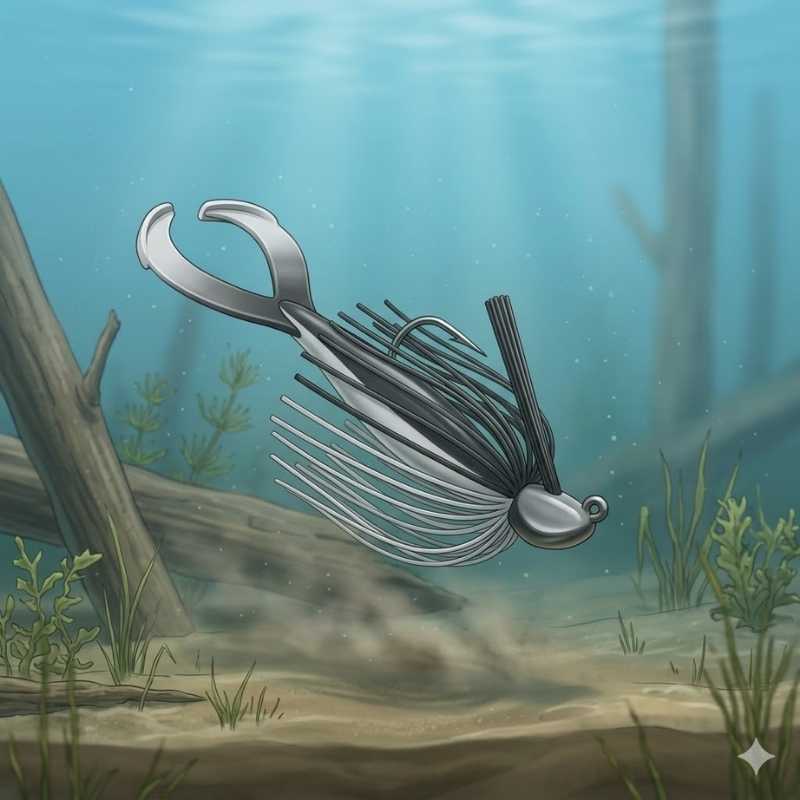
Z-Man JackHammer ChatterBait
The benchmark bladed jig — premium hardware and perfect vibration.
Stained water, wind, scattered grass — moderate-paced reaction bait.
As an Amazon Associate I earn from qualifying purchases.
Alternative Options
- Strike King Thunder Cricket →Alternative
War Eagle Spinnerbait
Classic Colorado/willow combo for windy banks and stained water.
Windy banks and stained water — burn it parallel to cover.
As an Amazon Associate I earn from qualifying purchases.
Alternative Options
- Luck E Strike Legends Spinner Bait →Alternative
SPRO Bronzeye Frog 65
Walks easily, casts a mile, and clears the pads.
Matted vegetation and lily pads — walk it slowly across openings.
As an Amazon Associate I earn from qualifying purchases.
Alternative Options
- LiveTarget Hollow Body Frog →Alternative
- Booyah Pad Crasher →Budget
Add a squarebill for hard cover on windy banks, a walking topwater for early morning over current seams, and a swim jig for healthy grass. The common thread is shallow, moving, and located in water bass can actually breathe.
Timing the bite around oxygen swings
Dissolved oxygen peaks in late afternoon after a full day of photosynthesis and bottoms out just before sunrise. Bass feeding windows track that cycle:
- First light to mid-morning — bass have to feed, but oxygen is at its low point. Strikes are committed but the bite window is shorter than spring.
- Late afternoon — under-rated window. Oxygen has built up all day and bass become active again, especially around vegetation.
- Right after wind picks up — surface oxygenation triggers fast feeding flurries on windward banks.
- Cool rain showers — any oxygen-injecting weather event triggers a bite. Even a 20-minute rain on a hot afternoon can light up a shallow pattern.
Retrieve adjustments for stressed fish
- Slow it down compared to spring. Even active fish in oxygen-stressed water won't chase hard.
- Keep the bait in the strike window longer. Pause more often, let the chatterbait hesitate near cover, work the squarebill methodically.
- Use larger profiles in stained water. Bass feed on fewer, bigger meals when their energy budget is tight.
- Match local forage. If bluegill are in the grass, fish bluegill colors. If shad are on the windward bank, fish white.
Common low-oxygen mistakes
- Staying offshore because that's where summer fish "are supposed to be." They were — in June.
- Fishing dying grass beds. Live grass produces oxygen; dying grass consumes it.
- Ignoring current. Even subtle current near a tributary mouth holds disproportionate fish.
- Burning baits in stressed water. Fish are willing to eat but not willing to chase 40 feet.
- Quitting at noon. Late afternoon oxygen rebound is a real and repeatable bite.
For the current-driven half of this pattern, see how bass use current seams. For the wind-driven half, see how wind creates ambush zones. For the end-of-summer pattern that follows, see lake turnover.