What Creates Current
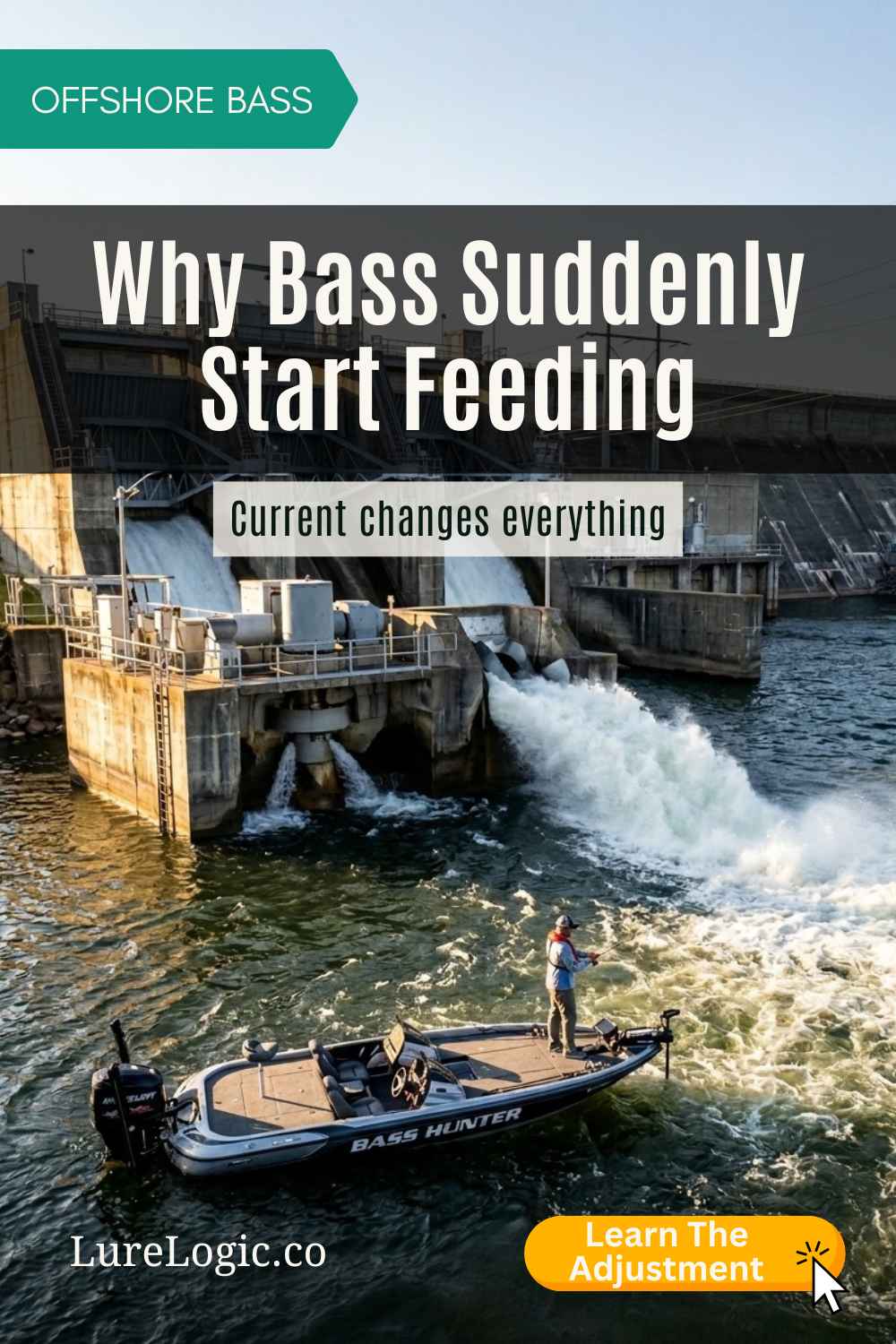
- Dam generation — the dominant source on TVA, Army Corps, and most utility-controlled lakes. When turbines spin, the entire main channel pulls toward the dam.
- River inflow at the upper end — the upper third of any reservoir behaves like a river, with constant flow downstream.
- Sustained wind — 15-plus mph for several hours creates real subsurface current that bass treat exactly like flow current.
- Heavy rain runoff — pushes cold, often muddy current down creek arms for hours or days after a storm.
- Tidal influence — coastal reservoirs move water on the tide cycle, which dictates the daily bite.
The combination of multiple sources is when the bite really fires. Wind blowing the same direction as generation pull is a near-guaranteed feeding window. Wind opposing current is the worst-case scenario — the seam breaks down and bait scatters.
Why Bass Face Into Current
Bass face into current for three reasons: oxygen, bait delivery, and ambush efficiency. Moving water is more oxygenated than slack water, which matters enormously in summer when surface temps push 85 degrees and the rest of the lake is in low-oxygen distress (see low-oxygen summer bass strategies). Moving water also pushes bait — shad, blueback herring, baby bream — past stationary fish on a conveyor belt. And by tucking behind a current break and facing into the flow, a bass burns almost zero energy while watching every piece of food in the water column come straight to it.
That's the single most efficient feeding posture in the bass world. It's why current spots concentrate fish disproportionately and why the same rocks produce the same fish year after year.
Current Breaks and Ambush Zones
Anywhere the current is forced around something, an ambush zone forms. The fast water continues around the obstacle; behind it, a pocket of slow or reverse-flowing water (an eddy) forms. Bass sit in that pocket, on the seam between fast and slow, ready to dart out and inhale anything getting pushed past.
- Bridge pilings — predictable, vertical, and almost always in current. The downstream corners hold the biggest fish.
- Main-lake points — current accelerates around the tip and slows on the back side; bass park behind the tip on the slack side.
- Channel swing bends — the outside of an underwater channel bend scours deep, and fish hold on the eddy formed inside the swing.
- Standing timber and laydowns — each trunk creates a clean seam at any flow rate.
- Riprap on causeways — long stretches of broken seams; bass stack on the bigger boulders that stick out into the flow.
- Creek mouths during generation — current pulls past the creek mouth and bait flushes out of the creek with it.
Lure Selection During Generation
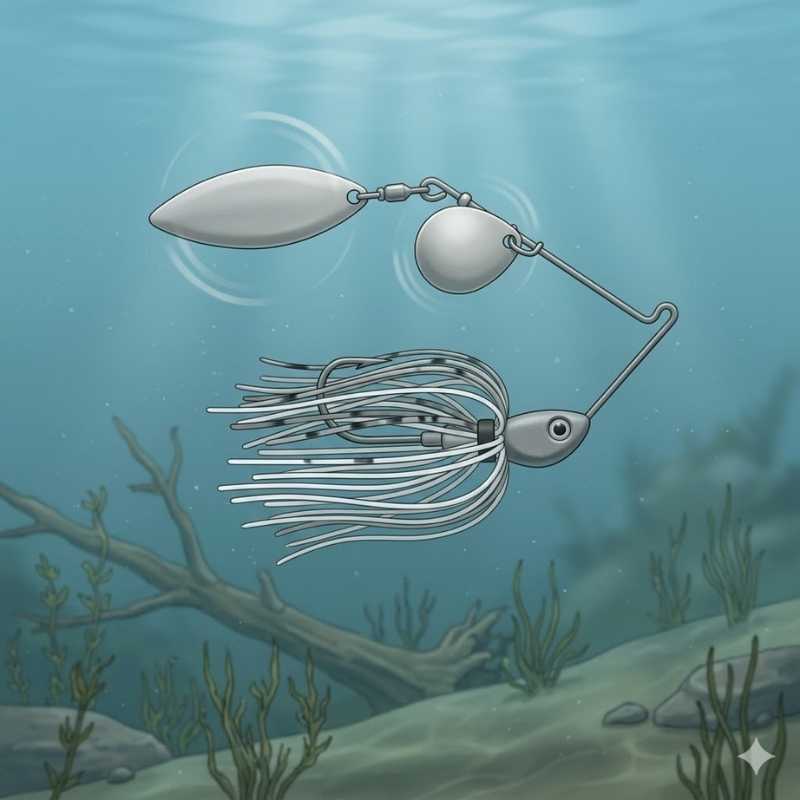
Dirty Jigs Guppy Football Jig
Premium football head built for rock and gravel.
Offshore rock and gravel — slow drag with long pauses.
As an Amazon Associate I earn from qualifying purchases.
Alternative Options
- Strike King Tour Grade Football →Alternative
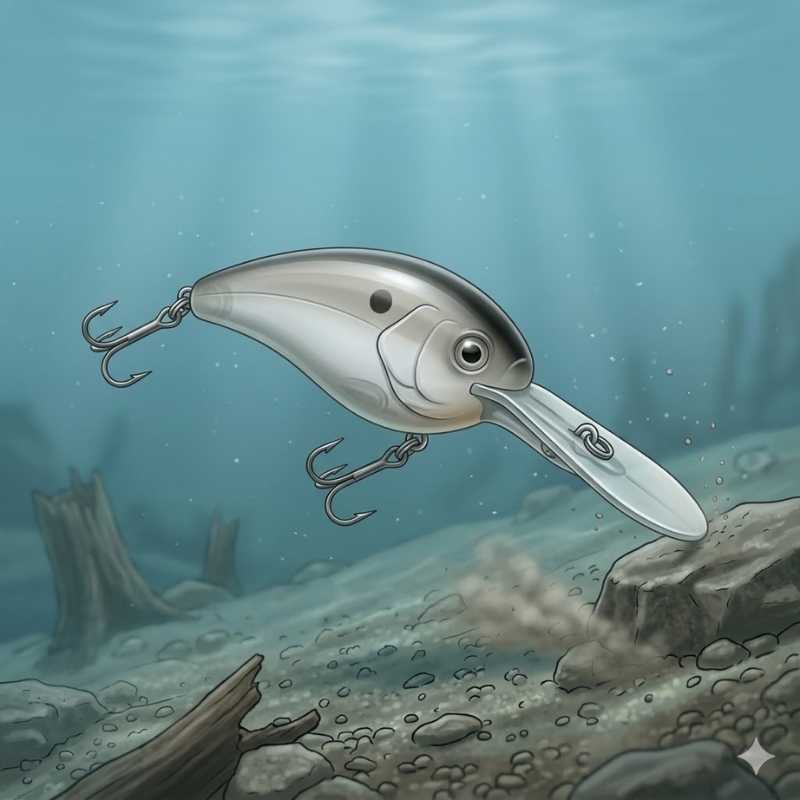
Strike King 6XD
Reaches deep with predictable wobble for offshore ledges.
Offshore ledges and humps — grind it into the bottom.
As an Amazon Associate I earn from qualifying purchases.
Alternative Options
- Rapala DT-16 →Alternative
- Berkley Dredger →Budget
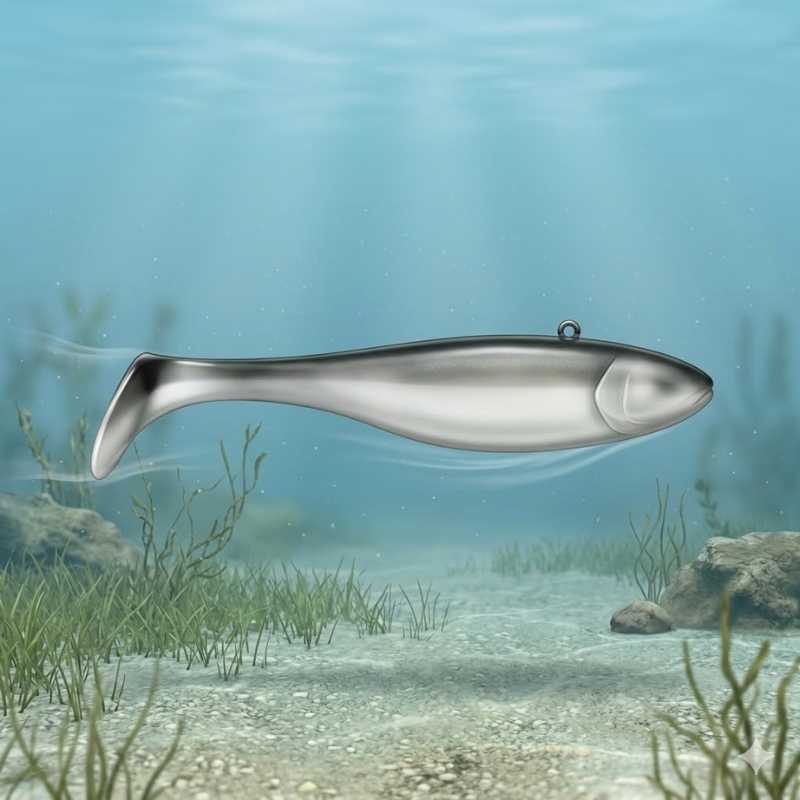
Keitech Swing Impact FAT
Best-in-class paddle-tail action for any swimbait rig.
Imitate shad — steady retrieve over points, flats, and drops.
As an Amazon Associate I earn from qualifying purchases.
Alternative Options
- Berkley PowerBait CullShad →Alternative
- Strike King Rage Swimmer →Budget
The core principle: match the flow, don't fight it. A 3/8-oz jig that worked yesterday in slack water needs to be 3/4 or 1 oz when generation is on, or it'll never reach bottom and never look natural. Crankbaits should be deflected off rock and timber in the current, not burned through open water. Swimbaits should be cast upstream of the seam and swept through naturally. Add a jerkbait for suspended bass and a Carolina rig for slow-dragging long channel edges in pulling water.
Offshore Structure Positioning
Generated current changes how bass position on offshore structure. With no current, fish often suspend off the structure or scatter across the top of a hump. As soon as water starts pulling, they collapse onto the downstream edge — every bass on the hump suddenly stacks on one specific corner, the one tucked out of the main flow. The same logic applies to brushpiles on channel edges, rock piles on points, and standing timber on flats. The downstream side is where the fish go and where the casts should land.
For more on how bass use offshore structure when current isn't running, see deep water bass lures and bass positioning in stable weather.
Seasonal Differences
- Spring — current pulls fresh, warming water into the upper end of the lake and pushes bait into staging creek mouths. Pre-spawn fish stack on current-swept points and channel swings.
- Summer — generation is the lifeline. Surface temps and low oxygen make non-current water nearly dead by mid-summer; the bite is on the current the entire day if generation is running.
- Fall — current concentrates migrating shad in creek arms and channel mouths. Bass follow and crush moving baits as the bait pulls past structure.
- Winter — generation can be the difference between a good day and a blank one. Cold-water bass slide onto current-swept rock and timber when water pulls, and slide off into deep slack water when it stops.
Common Mistakes
- Ignoring the generation schedule entirely. Plan your day around the pull times, not the clock.
- Fishing the upstream side of cover. Bass are on the slack side; the upstream side is wasted casts.
- Using bait too light for the current. A bait that washes out of the strike zone catches nothing.
- Casting across current. Cast upstream and let the bait sweep down — the natural drift is what bass key on.
- Quitting when the pull stops. Often the best 20-minute window of the day is right when generation shuts off — a brief feeding pulse before fish reset.
- Treating wind-driven current as different. It isn't. A long sustained wind on a featureless flat creates the same seam logic and concentrates fish the same way. See wind and bass positioning.
For the foundational mechanics of how bass use any moving water, see bass and current seams. For the points that double as natural current breaks, see bass fishing points. For the offshore depth and structure piece, see deep water bass lures.