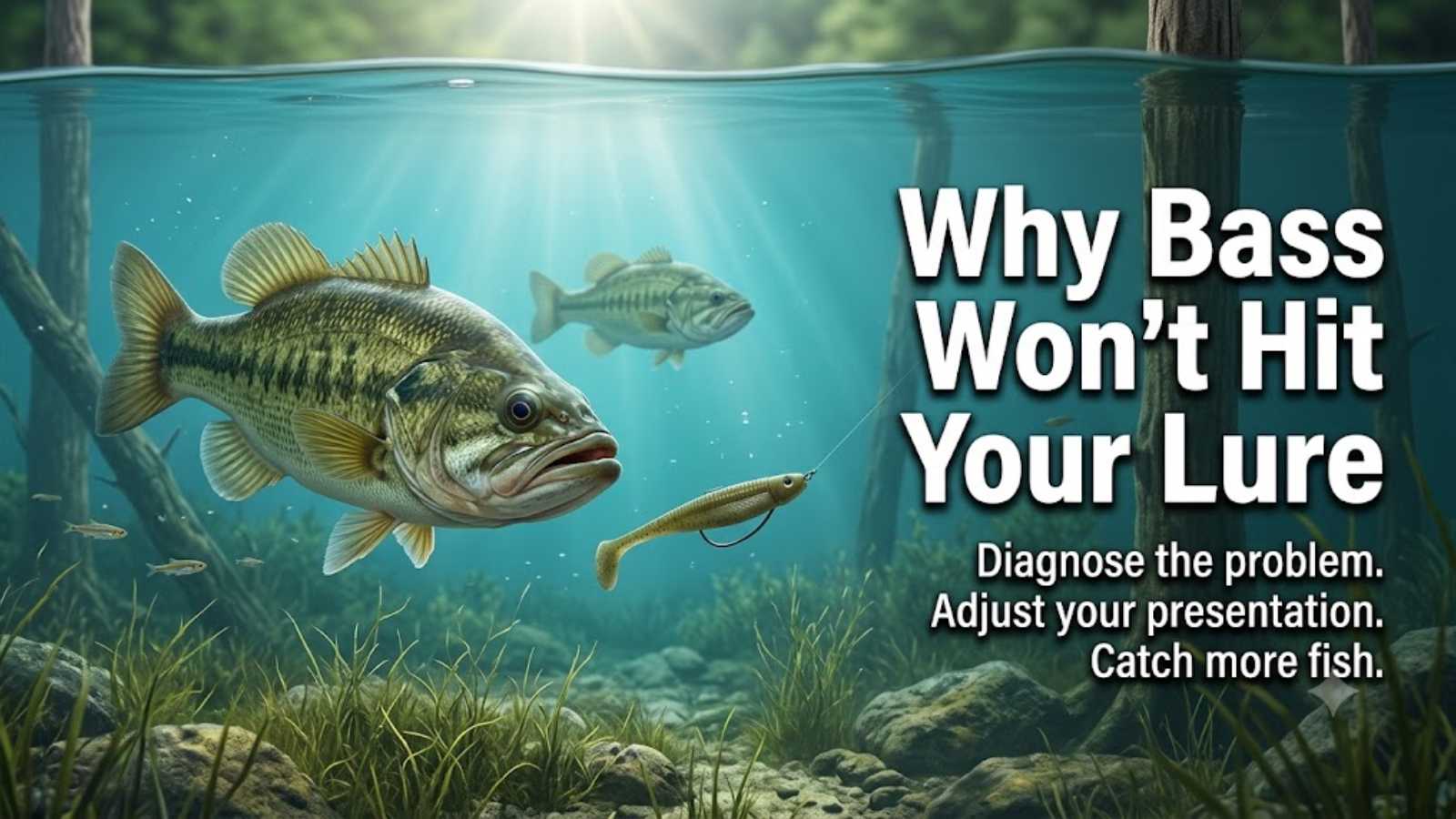
Refusals Are Information, Not Failure
Most anglers treat a refusal as an insult from the fish. It isn't. A refusal is a bass telling you nine-tenths of your presentation was correct — otherwise it wouldn't have moved to look — and that one specific variable is off. The angler who reads the refusal correctly changes that one variable and starts catching. The angler who reads it as a lure failure changes categories, reintroduces the same missing variable, and burns another hour.
Refusals also come in flavors. A follow without a strike is different from a short strike, which is different from a boil-and-run, which is different from no reaction at all. Each flavor points to a different cause. Diagnosing the flavor is the first move — before any lure change is even considered.
The Diagnostic Hierarchy
When bass won't commit, run through the causes in this order. Fix problems at the top of the list before touching anything below. Skipping the order is the most common way to solve the wrong problem.
- Location. Are bass actually where I'm casting?
- Depth. Is my retrieve running through the strike zone?
- Retrieve and cadence. Is the bait doing the right thing at the right speed?
- Size and profile. Does the bait match what bass are eating right now?
- Color. Is the color a clear mismatch to conditions or forage?
- Line and leader. Is my line visible enough to spook fish?
- Pressure and mood. Have these fish been fished today?
- Weather-driven inactivity. Are conditions actively shutting the bite down?
Everything below is a deep dive into each of those causes, the specific symptoms that point to them, and the exact adjustments that fix them.
Cause 1: You're Casting Where Bass Aren't
The most common reason a bass won't hit your lure is that there is no bass within striking range to hit anything. Beginners assume every stretch of bank holds fish. It doesn't — bass position by conditions, and most of the water on any given lake is empty at any given moment.
Symptoms of a location miss:
- Zero follows, zero bumps, zero boils.
- No forage sightings — no shad flickers, no birds, no bluegill flares.
- The structure or cover doesn't match what today's conditions demand.
The fix isn't a lure change — it's a boat move. Consult the complete structure guide and seasonal bass patterns to identify the highest-percentage water for today's season and conditions. On windy days, move to wind-blown banks. In summer, work docks or thermally stable depth. Absence of bites almost always means move water.
Cause 2: Your Bait Isn't in the Strike Zone
Bass are opportunistic within a narrow vertical window. A bait running four feet above suspended bass or six feet above bass hugging a ledge is invisible to them. Depth mismatch is one of the single most common causes of refusal — and it doesn't look like a refusal, it looks like nothing happening.
Symptoms of a depth miss:
- Electronics show bait or fish at a different depth than your lure runs.
- You get bites only on the fall or only near the bottom, hinting bass want deeper.
- Occasional bites from small fish, none from bigger ones — bigger fish are deeper.
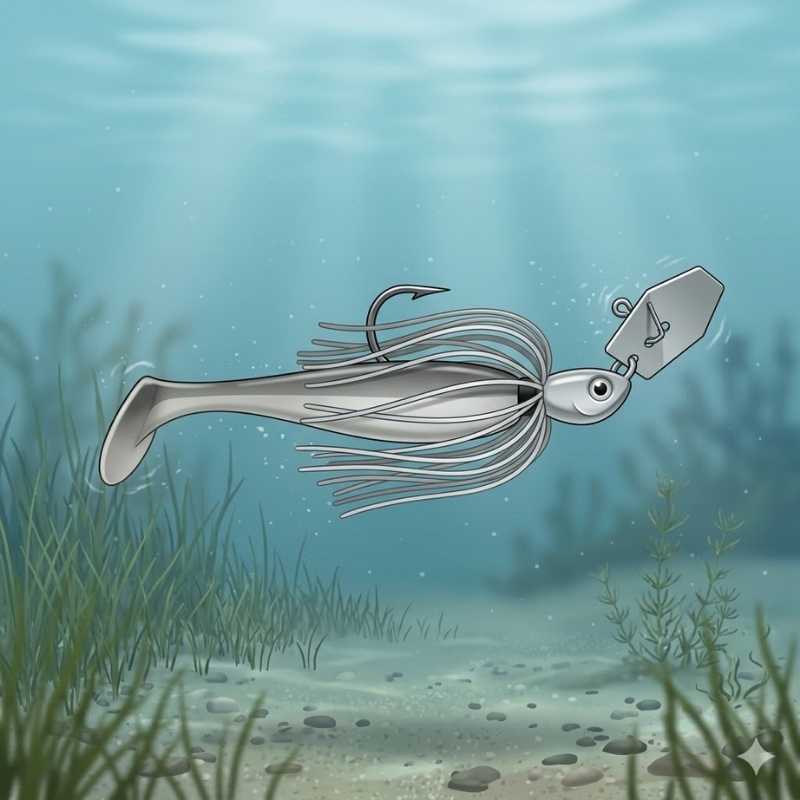
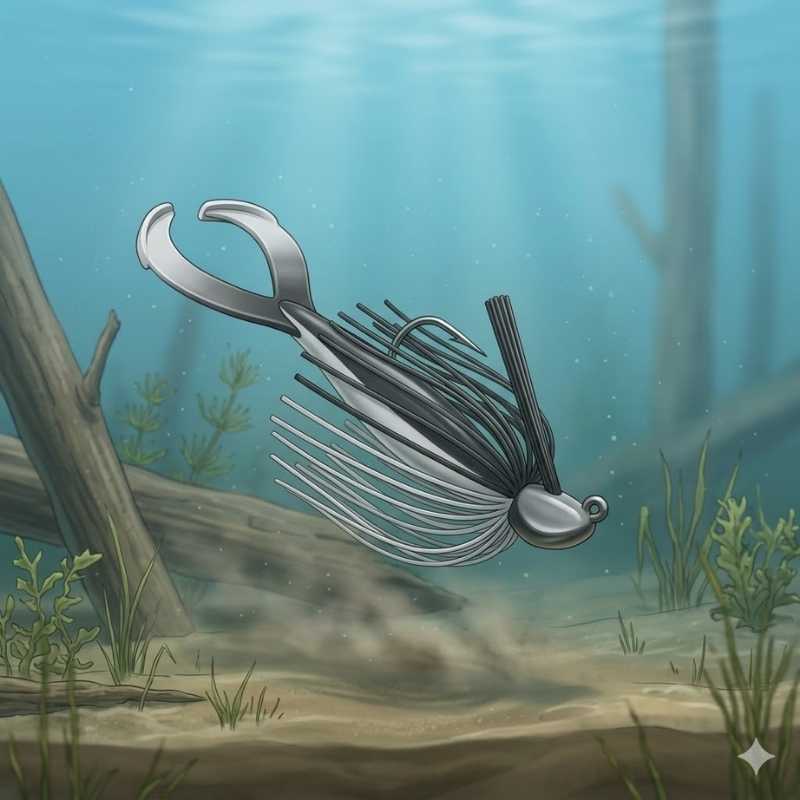
The fix is depth-matching. Change to a bait that runs their column — a deeper crank, a heavier chatterbait, a drop shot, a Carolina rig. See best bass lures for deep water and best bass lures for shallow water. When bass are graphed at 18 feet, no shallow-runner will save you.
Cause 3: Your Retrieve Is the Problem
Bass are triggered by specific movement patterns, not just presence. The same lure can be productive or invisible depending entirely on how it's retrieved. Follows without commitment are almost always a retrieve issue.
Symptoms of a retrieve mismatch:
- Fish follow but fade at the boat.
- Fish boil behind the bait but don't strike.
- You get bites only during changes of speed or on pauses.
Adjustments to try in order:
- Slow the retrieve dramatically. The #1 fix for follows. Most anglers reel far too fast for the water temperature they're fishing.
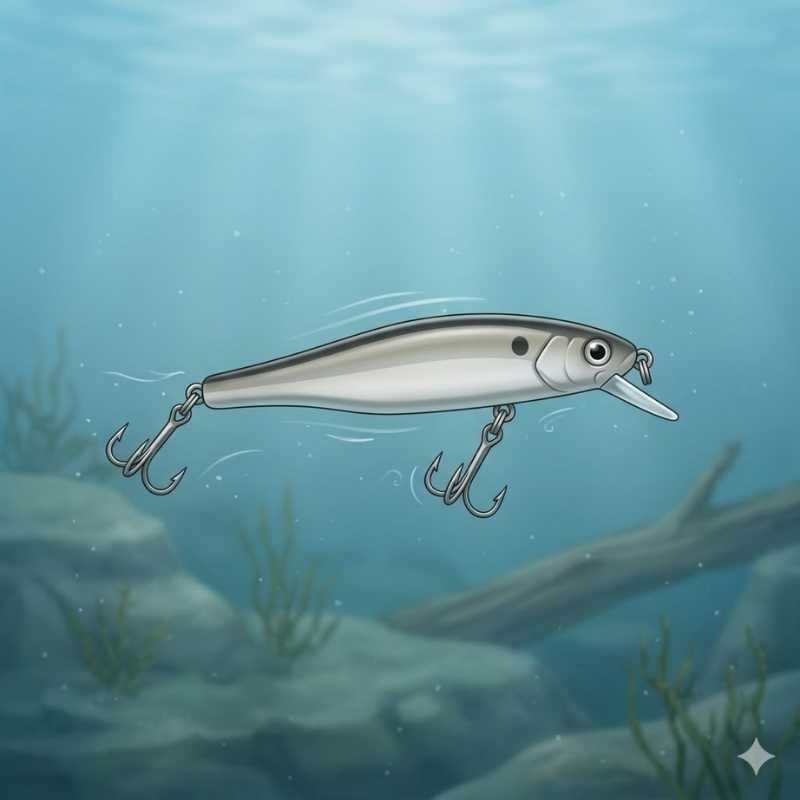
- Add a pause. Two-count, four-count, ten-count pauses on a jerkbait or crank often turn on a follow-heavy bite. Cold water especially rewards long pauses.
- Introduce a stop-and-go or kill. Reel three cranks, kill it, let it rise or fall, then resume. The change of speed is the trigger.
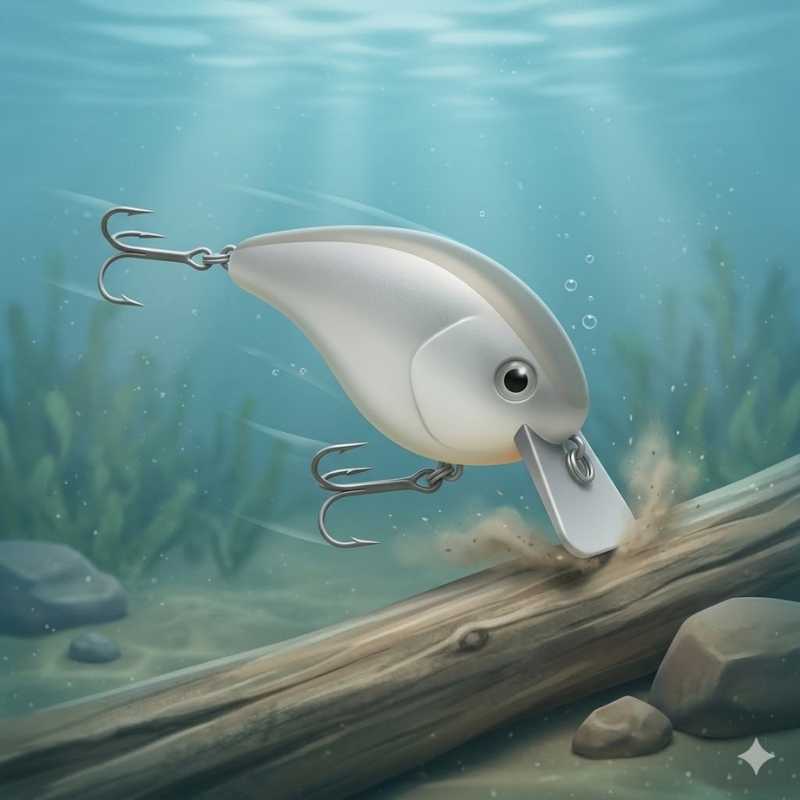
- Deflect the bait off cover. Squarebills, chatterbaits, and cranks bounced off wood or rock create the erratic action that closes strikes.
Cadence details differ by category — cold-water jerkbait retrieves are covered in best jerkbaits for bass, chatterbait retrieves in best chatterbait trailers, and topwater cadence in best walking baits for bass.
Cause 4: The Size or Profile Is Off
Bass eat what they're eating. If today's forage is 2-inch threadfin shad, a 5-inch swimbait is a mismatch. If bass are keyed on bluegill, a slender minnow profile misses the mark. Short strikes and half-hearted takes usually mean the category is right and the size is wrong.
Symptoms of a size or profile miss:
- Short strikes — hits without hookups.
- Small fish only when you know bigger fish are around.
- Visible forage in the water is dramatically smaller or larger than your bait.
Match the meal — that's the whole game. Study the complete guide to bass forage, threadfin vs gizzard shad, and how bass follow baitfish. Then adjust profile: shorter trailer, smaller soft plastic, smaller crank, or up-size when the forage is oversized (post-shad-spawn, herring lakes, big-water lakes).
Cause 5: Color Is Actually Wrong
Color matters, but less than most anglers think and only after the first four causes have been ruled out. Color problems only exist inside a category that's otherwise right. If your category, depth, retrieve, and size are all off, no color will save you. When everything else is dialed and you're getting looks without commitments, then color becomes a variable worth testing.
Symptoms of a real color mismatch:
- Fish repeatedly follow the same lure and fade on the same color.
- Clarity is such that bass have time to inspect (clear or lightly stained).
- Local forage color has shifted with the season (crawfish moving from brown to orange, for example).
Adjustments:
- Clear water: shift toward natural — shad-white, translucent, watermelon, green pumpkin. See best bass lures for clear water.
- Stained water: silhouette wins. Chartreuse, white, or bluegill patterns rather than dark colors.
- Muddy water: contrast wins. Black/blue, solid black, or high-vis chartreuse. See muddy water bass lures.
- Crawfish season: match the molt cycle. Deep read in crawfish color cycle and seasonal bass feeding.
Cause 6: Line and Leader Are Spooking Fish
This is the silent bite-killer nobody wants to admit. In clear or lightly stained water, heavy line is genuinely visible to bass, and educated fish in high-pressure lakes will refuse a bait tied to conspicuous line. It doesn't matter how good the lure is if bass detect the tether.
Symptoms of a line problem:
- Water clarity above 3–4 feet.
- Fish following and fading without any change in action or color helping.
- Same lure catching fish for other anglers who fish lighter line or fluorocarbon leaders.
Adjustments: fluorocarbon main line for jerkbaits, cranks, and jigs in clear water; a fluorocarbon leader off braid for finesse; drop from 15-pound test to 10 or 8; add casting distance to keep boat noise off the target. On pressured fisheries this single change can double bite count.
Cause 7: The Fish Have Been Pressured Today
Weekend tournament traffic, guide boats, and popular banks all condition bass fast. Pressured fish don't refuse because your lure is bad — they refuse because they've seen ten of them today already. The right response is not a bigger louder bait; it's a smaller quieter bait, a different angle of approach, or a completely different piece of water.
Symptoms of pressure:
- You're on obvious high-percentage water on a weekend afternoon.
- You saw other boats fishing the same bank an hour ago.
- Fish flare or push away as boats approach.
Fixes: downsize dramatically (finesse worm, small ned rig, hair jig, small swimbait), extend casts, use natural colors, and — most importantly — leave the community banks and find water nobody's touched.
Cause 8: Conditions Are Actively Shut Down
Sometimes the honest answer is that no lure was going to work in the window you fished. Post-cold-front bluebird days, high-pressure lockdowns, and mid-turnover fall days can produce genuinely dead fishing hours where refusals are universal. Recognizing "the bite is off, wait it out" is a real skill.
Symptoms of shutdown conditions:
- Recent cold front with clear cold nights.
- High and rising barometric pressure.
- Bluebird sky, no wind, no cloud cover — the worst combo in bass fishing.
- Lake in visible turnover — pea-soup surface, wind lines carrying leaves and foam.
Under these conditions, downshift to finesse (drop shot, ned, small jerkbait with 10-second pauses), fish depth and shade, and accept that today's ceiling is lower than yesterday's. See best bass lures after a cold front, bluebird sky bass fishing, and why lake turnover shuts the bite down.
Real-World Diagnostic Walkthrough
You launch on a stable May afternoon with 68°F water, light stain, and calm winds under high sun. You start with a moving squarebill on secondary points, expecting a reaction bite. Thirty casts in you have one soft bump and nothing else. Time to run the checklist.
- Location. Points are correct for the season — probably fine. But bright sun on stable weather often pushes fish to shade or depth.
- Depth. Your squarebill runs 4 feet. Electronics show bait balls at 10 feet along the point extension. That's the miss.
- Fix. Not a lure category change so much as a depth match. Switch to a medium-diving crank or a jig-and-worm on the point's deeper edge. First fish comes on the second cast.
The refusal wasn't a lure problem — it was a depth problem masquerading as a lure problem. The framework caught it in under a minute.
Common Mistakes When Bass Won't Bite
- Jumping straight to a color change. Color is the sixth question, not the first. Fix everything upstream first.
- Downsizing before diagnosing. Ned rigs don't cure location problems. Move before you shrink.
- Fishing the same bank harder. More casts to unproductive water is not a strategy. Cover water.
- Ignoring line size in clear water. Anglers who lose bites to line often blame the bait for the rest of their career.
- Blaming the fish. Bass are consistent. The angler is the variable.
When to Change Lures vs When to Fix the Presentation
The counterpart guide to this one — when to change bass lures — walks through the specific signals that justify a full lure swap versus a one-variable adjustment inside the same bait. The two guides work together. This one diagnoses why bass won't hit. The other decides whether the fix is a small adjustment or a category change.
Using Today's Fishing Strategy to Eliminate the Guesswork
The single fastest way to reduce refusals is to start with a lure that already fits today's conditions. Every cause in this guide gets harder to diagnose when you're two lure changes deep into the wrong category. Today's Fishing Strategy takes your current temperature, clarity, weather, wind, and depth, runs them through the same framework this guide teaches, and returns a high-confidence starting point. Refusals after that are diagnostic gold — small, fixable, and fast to solve. This guide teaches how experienced anglers troubleshoot on the water. Today's Fishing Strategy makes sure the first cast is already close to right.